
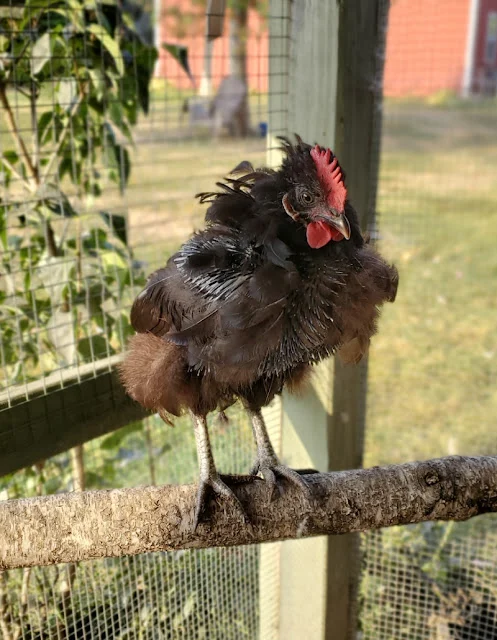
The annual molting cycle represents a critical physiological transition in the life of domestic chickens. As autumn approaches and daylight hours diminish, backyard poultry owners frequently observe a dramatic change in their flocks: the shedding of old, worn feathers to be replaced by a new, resilient plumage. While this phenomenon is a natural and vital biological process designed to prepare birds for the rigors of winter, it often causes alarm among novice keepers who may mistake the loss of feathers for signs of disease or predator attacks. Understanding the mechanics, timeline, and nutritional requirements of the molt is essential for maintaining flock health and ensuring a successful transition into the colder months.

The Biological Mechanics of Molting
Molting is a programmed biological response primarily regulated by the endocrine system, triggered by the reduction in photoperiod—the duration of daylight. As days grow shorter, the chicken’s pineal gland detects the decrease in light, which signals the body to cease reproductive efforts and initiate the replacement of feathers. Feathers, which are composed primarily of keratin—a high-protein structural fiber—suffer from environmental wear and tear over the course of a year. By replacing these feathers before the onset of winter, chickens ensure they possess the necessary thermal insulation.

Healthy, new feathers allow chickens to effectively "fluff" their plumage. This action traps a layer of air against the skin, which acts as a thermal buffer against plummeting temperatures. Conversely, old or damaged feathers lack the structural integrity to hold this air, leaving the bird susceptible to hypothermia. Consequently, the molt is not merely an aesthetic turnover but a survival mechanism that bolsters the bird’s ability to regulate its internal body temperature.

Chronology of the Molting Process
The first major adult molt typically occurs when a bird reaches approximately 18 months of age. Following this initial event, the process becomes an annual occurrence, usually aligning with the transition from late summer to mid-autumn. While the duration of this cycle varies significantly based on individual bird health and genetics, it generally spans from three to six months.

The pattern of feather loss is remarkably consistent across all chicken breeds. The process begins at the head and neck, progressively moving down the body to the saddle, breast, abdomen, wings, and finally the tail. This orderly progression is a distinct indicator of a natural molt as opposed to feather loss caused by external factors such as parasites, stress, or aggressive pecking from other flock members. During the regrowth phase, owners may observe the emergence of "pin feathers." These are new, developing shafts encased in a waxy, protective coating. As the feather matures, this casing sheds, often appearing as white, flaky debris on the coop floor.

Distinguishing Natural Molt from External Stressors
A primary concern for poultry owners is distinguishing a normal molt from pathological feather loss. During a natural molt, the body pushes out the old feather to make room for the new one, meaning that a follicle is rarely left completely bare for long. If an owner observes large, raw, or bleeding patches of skin, this is typically indicative of external stressors.

Common causes of abnormal feather loss include:

- Parasitic Infestations: Mites and lice can cause intense irritation, leading birds to pluck their own feathers.
- Behavioral Issues: Overcrowding, lack of stimulation, or social hierarchy disputes can trigger feather pulling (cannibalism).
- Nutritional Deficiencies: A lack of essential amino acids can prevent proper feather development.
- Broodiness: Hens that are nesting frequently may experience localized feather loss on the breast or abdomen.
Nutritional Implications and Physiological Stress
The physiological cost of growing a full set of new feathers is immense. Because feathers are composed of nearly 90% protein, the metabolic demand on the hen is significant. During this period, the bird’s energy reserves are redirected from egg production to protein synthesis. As a result, egg laying typically ceases or significantly decreases.

Research indicates that high-producing hens may experience a more rapid molt, completing the process in 12 to 16 weeks, whereas lower-producing birds may extend the process over six months. Because the bird is essentially "burning the candle at both ends" by diverting resources away from immune support to feather growth, they may appear lethargic or listless. This is a normal state of diminished vitality, but it does render the bird more susceptible to opportunistic infections.

Best Practices for Supporting the Flock
Veterinary nutritionists and poultry experts emphasize that supporting a flock during the molt requires a focused approach to dietary management. Since the demand for protein skyrockets during the growth of new plumage, many keepers find it beneficial to transition to a higher-protein feed, often referred to as "feather fixer" or simply a higher-percentage protein layer ration.

Supplementation should be approached with caution. While some enthusiasts utilize animal-based protein sources, experts warn against using products like cat food, which are formulated for carnivorous mammals and can contain inappropriate levels of sodium and fats for avian physiology. Instead, providers recommend high-protein natural sources such as:

- Cooked beans or legumes: Excellent sources of plant-based protein.
- Black oil sunflower seeds: Provide beneficial fats and protein.
- Culinary herbs: Basil, parsley, and tarragon, which contain elevated nutrient profiles and may assist in overall health.
- Apple Cider Vinegar: When added to water (at a ratio of 1 tablespoon per gallon), it is believed to aid in nutrient absorption and support gut health, providing a modest boost to the bird’s immune system during this vulnerable window.
Broader Impact on Flock Management
The annual molt serves as a natural "reset" for the bird’s reproductive system. While it is true that egg production levels after the first major molt often do not reach the peak volume seen in the first year of life, the eggs produced thereafter are frequently larger and possess higher-quality shells. This is a natural byproduct of the aging process in domestic poultry.

Furthermore, management of the coop environment during this time is critical. Because molting birds are physically uncomfortable and potentially more sensitive to environmental stressors, keeping the coop clean and free of drafts is essential. Experts advise against the use of supplemental artificial lighting to force egg production during a molt. Forcing a bird to continue laying while their body is biologically attempting to prioritize feather growth can lead to long-term health complications and a compromised immune system.

Conclusion: A Cycle of Renewal
The annual molt is a testament to the evolutionary resilience of the chicken. While the visual evidence of a molting flock—feathers scattered across the run, bare necks, and diminished egg baskets—may seem alarming, it is a hallmark of a healthy, seasonal lifecycle. By providing adequate nutrition, maintaining a low-stress environment, and understanding the predictable nature of this transition, backyard poultry keepers can ensure their flocks remain productive and resilient. As the days shorten and the winter cold approaches, these birds are not merely losing their old plumage; they are preparing to endure the winter months, emerging in the spring with a renewed, healthy set of feathers and the capacity to resume their roles within the flock. Through careful observation and evidence-based husbandry, the risks associated with this period are easily mitigated, ensuring the longevity and welfare of the birds.
