
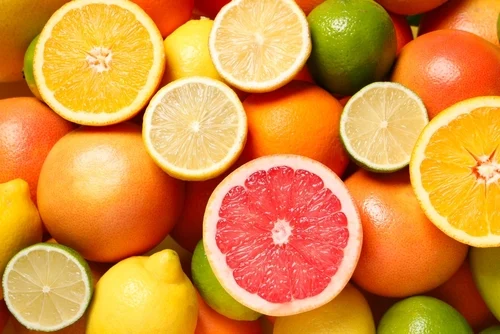
The dietary requirements of Gallus gallus domesticus, the common domestic chicken, have become a focal point of intense study as backyard poultry keeping transitions from a niche hobby to a mainstream agricultural practice. Among the various kitchen scraps and supplemental treats offered to these birds, citrus fruits—including oranges, lemons, limes, and grapefruits—occupy a controversial position. While chickens are opportunistic omnivores capable of processing a wide array of organic matter, avian nutritionists and veteran poultry keepers suggest that citrus should be strictly limited or entirely excluded from their diet. The primary concern lies not in immediate toxicity, but in the biochemical interference citrus causes regarding calcium absorption, a critical component of both skeletal integrity and eggshell formation.
The Biochemical Conflict: Citric Acid and Calcium Metabolism
The most significant argument against feeding citrus to chickens involves the relationship between citric acid and calcium. For a laying hen, calcium is the most vital mineral in her diet. An average eggshell consists of approximately 94% to 97% calcium carbonate. To produce a single egg, a hen must mobilize a massive amount of calcium, often drawing from her own skeletal reserves, specifically the medullary bone, if dietary intake is insufficient.
Research into avian physiology indicates that excessive consumption of citrus fruit can interfere with the metabolic pathways required for calcium absorption. Citric acid has the potential to bind with calcium in the digestive tract, forming calcium citrate. While calcium citrate is a common supplement for humans, the high acidity levels in citrus fruits can disrupt the delicate pH balance of a chicken’s digestive system. If the gut environment becomes too acidic or if the citric acid levels are disproportionately high, the bird’s ability to transport calcium into the bloodstream is compromised.

When a hen’s calcium absorption is hindered, the physiological consequences are twofold. First, the quality of the eggs diminishes, leading to thin-shelled, soft-shelled, or "rubber" eggs. These eggs are not only difficult to harvest but also pose a health risk to the hen, as they are more likely to break inside the oviduct, potentially leading to egg yolk peritonitis—a life-threatening condition. Second, the hen will prioritize the eggshell over her own bone density. Chronic calcium deficiency leads to brittle bones and a condition often referred to in the industry as "cage layer fatigue," even in free-range environments, characterized by lameness and fractures.
The Vitamin C Paradox in Avian Nutrition
In human nutrition, citrus is lauded for its high Vitamin C (ascorbic acid) content, an essential nutrient that humans cannot synthesize internally. However, the nutritional requirements of chickens differ fundamentally in this regard. Chickens are among the species capable of synthesizing their own Vitamin C within the liver. Under normal environmental conditions, a healthy chicken produces all the Vitamin C it requires for metabolic functions, tissue repair, and immune response.
Because chickens are self-sufficient in this area, the high Vitamin C content of oranges and grapefruits offers no additional nutritional benefit. In fact, providing supplemental Vitamin C through acidic fruits can be redundant at best and disruptive at worst. There is a notable exception in poultry science: during periods of extreme heat stress, some studies suggest that supplemental Vitamin C can help birds maintain their internal temperature and reduce oxidative stress. However, even in these instances, veterinarians typically recommend water-soluble supplements rather than whole citrus fruits to avoid the negative impacts of citric acid on the digestive tract.
An interesting biological fact that highlights this divergence is the composition of the egg itself. An egg is often cited as a "perfect" food source, containing nearly every nutrient required to sustain life and develop a chick, including proteins, fats, and a suite of vitamins and minerals. However, the egg contains no Vitamin C. This is because the developing embryo, like the adult chicken, is biologically programmed to synthesize its own supply.

Behavioral Observations and Natural Aversion
Observations from poultry keepers and ethologists suggest that chickens possess a natural instinct to avoid citrus. When presented with a variety of kitchen scraps, chickens will often pick around orange peels or lemon wedges. This behavior is attributed to the bird’s sense of taste and smell, which, while less developed than in mammals, is highly attuned to identifying bitter or overly acidic substances that might be harmful.
The rinds of citrus fruits contain essential oils, such as limonene, which can be irritating to the mucosal linings of a bird’s mouth and crop. Furthermore, the strong scent of citrus is often used as a deterrent in various animal repellent products. In a backyard setting, if citrus is incorporated into a mash or a fruit salad, a chicken might consume it incidentally, but it is rarely a preferred food source. This natural aversion serves as a biological safeguard, steering the birds toward more nutrient-dense and easily digestible options like leafy greens, seeds, and insects.
Chronology of Dietary Guidelines in Poultry Management
The evolution of poultry feeding guidelines has shifted significantly over the last century. In the early 20th century, farm chickens were largely left to scavenge, supplemented by corn and basic grains. During this era, the impact of specific fruits like citrus was rarely documented, as citrus was a luxury item and seldom ended up in the chicken coop.
As the poultry industry became more scientific in the 1950s and 60s, researchers began to isolate the specific mineral requirements for high-production layers. It was during this period that the link between diet acidity and shell quality began to emerge. By the 1990s, with the rise of the backyard chicken movement, the "kitchen scrap" method of feeding became popular. This led to a resurgence of interest in what types of human foods were safe for avian consumption.

In the last decade, the consensus among avian experts has solidified. Modern guidelines from agricultural extension offices, such as those provided by the University of California Agriculture and Natural Resources (UCANR) and similar institutions globally, now categorize citrus as a "low-priority" or "avoidance" food. While not listed as acutely toxic—unlike avocados (which contain persin) or dried beans (which contain phytohaemagglutinin)—citrus is relegated to the category of foods that offer "empty calories" with potential metabolic downsides.
Broader Implications for Flock Health and Egg Production
For the small-scale producer or the backyard enthusiast, the primary goal is often the consistent production of high-quality eggs. Any factor that introduces volatility into egg production is viewed as a risk. The inclusion of citrus in a flock’s diet introduces such volatility.
Beyond the calcium issue, there is the matter of digestive efficiency. A chicken’s digestive tract is relatively short, and the passage of food is rapid. Foods that are high in fiber and acid, like citrus rinds, take longer to break down and can slow the overall rate of nutrient absorption from more beneficial food sources. In commercial operations, where feed conversion ratios are calculated to the second decimal point, citrus is non-existent. For the backyard keeper, while the margins are less tight, the principle remains: every bit of "filler" like citrus rinds reduces the amount of high-quality protein and minerals the bird consumes.
Furthermore, the environmental impact of citrus in the coop should be considered. Citrus peels decompose much slower than other vegetable scraps due to their thick, waxy rinds and antimicrobial essential oils. If left uneaten in the coop, they can attract pests or contribute to unsanitary conditions, whereas in a compost pile, they can be broken down properly over time without posing a risk to the livestock.

Expert Analysis: The Verdict on Citrus
Agricultural experts and avian veterinarians generally advocate for a diet that mimics the bird’s natural foraging patterns, supplemented by a balanced commercial feed. The consensus is that while a single slice of orange is unlikely to kill a chicken, there is no physiological or nutritional justification for its inclusion in their diet.
"The goal of poultry nutrition is to maintain a stable gut pH and a steady supply of bioavailable calcium," notes one avian dietary study. "Introducing high concentrations of citric acid disrupts this stability. When we look at the requirements for shell gland function, we see that even minor fluctuations in blood chemistry can result in noticeable defects in the eggshell."
In conclusion, while the domestic chicken is a hardy and versatile eater, the biological evidence suggests that citrus fruits are an unnecessary and potentially detrimental addition to their diet. The interference with calcium absorption remains the most compelling reason to keep oranges, lemons, and grapefruits out of the poultry feeder. For those looking to provide treats for their flock, experts recommend safer alternatives such as watermelon, pumpkins, or leafy greens like kale and spinach—all of which provide essential nutrients without the metabolic baggage of high acidity. By adhering to these nutritional boundaries, keepers can ensure the long-term skeletal health of their birds and the continued production of strong, healthy eggs.
