

Across the vast sweep of the Amazon Basin, thousands of rivers, streams, and floodplain lakes flow in an immense, interconnected waterscape that shelters an unparalleled diversity of aquatic life. To date, scientists have recorded more than 2,700 freshwater fish species within this dynamic hydrological network, with dozens of new varieties added to global taxonomies each year as researchers push deeper into remote tributaries. Yet, this extraordinary biological richness remains acutely vulnerable. A newly released comprehensive study, titled Amazon Forgotten Fishes, brings these aquatic species to the forefront of global conservation debates, exposing the intricate ways their survival is inextricably linked to the health of the entire basin and the wellbeing of millions of human inhabitants.
The report dives beneath the surface to detail the remarkable life histories, behavioral adaptations, ecological niches, and geographic ranges of Amazonian fishes. Significantly, the publication underscores a striking ecological reality: two-thirds of the freshwater fish species found in the Amazon Basin are endemic, meaning they exist nowhere else on Earth. From tiny tetras navigating flooded understories to massive apex predators like the goliath catfish, these organisms serve fundamental ecosystem functions that sustain the basin’s complex web of life. However, decades of accelerating human pressures, systemic policy gaps, and the intensifying forces of climate change now threaten to unravel these ancient biological systems.
The Ecological and Socioeconomic Value of Amazonian Fisheries
The health of the Amazon Basin’s freshwater ecosystems relies heavily on the complex interactions between fish and their surrounding environment. Many migratory species depend upon the annual rising of river waters to access flooded forests, where they consume fallen fruits and seeds. As these fish traverse the inundated landscape, they act as primary agents of seed dispersal across vast geographic expanses, directly driving forest regeneration and maintaining floral diversity. Other species function as mobile nutrient pumps, regulating primary productivity and supporting apex predators situated higher up the aquatic and terrestrial food webs.

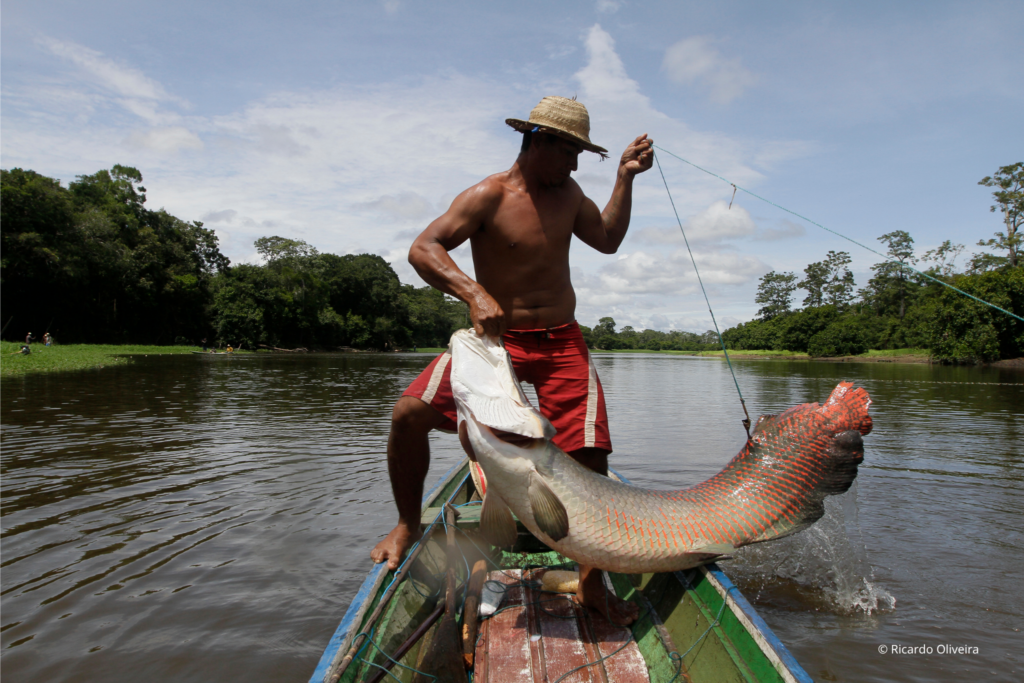
These foundational ecological processes directly underpin human survival and economic stability throughout South America. For millions of people living within the Amazonian region, fish serve as an irreplaceable dietary staple. Particularly for low-income and rural households, freshwater fish provide one of the most accessible, affordable, and reliable sources of animal protein and essential micronutrients necessary for healthy human development and childhood growth.
Beyond subsistence and commercial netting, the region’s fisheries support expanding alternative economies, most notably sport fishing and ecotourism. Well-managed, catch-and-release tourist operations have demonstrated a capacity to generate significantly higher economic returns in a single week than traditional commercial fishing operations might yield over an entire year in the same bodies of water. Conservationists emphasize that as this sector expands, sustainable management frameworks must be prioritized to ensure that local communities retain active control over local waters and secure a fair share of the financial benefits.
A Chronology of Escalating Threats and Scientific Blind Spots
The systematic degradation of the Amazonian waterscape has unfolded over decades of intensifying industrialization, resource extraction, and infrastructure development. Historically, conservation efforts in South America prioritized terrestrial biomes—most notably the preservation of rainforest canopy—while the aquatic ecosystems flowing beneath the trees received comparatively minor legislative and scientific attention.
The International Union for Conservation of Nature (IUCN) currently lists 144 Amazonian fish species on its Red List of Threatened Species, designating them as vulnerable, endangered, or critically endangered. Compounding this alarm, an additional 334 species are categorized as Data Deficient, reflecting a critical lack of baseline scientific information. Conservation experts warn that the true number of imperiled species is almost certainly much higher. Persistent geographic and institutional gaps in national monitoring records, combined with historically weak cross-border collaboration among the sovereign nations of the Amazon cooperation treaty organization, have created severe regulatory blind spots.
The primary drivers of this freshwater biodiversity crisis are directly rooted in human activity. The construction of large-scale hydroelectric dams, water diversion channels, and drainage projects has proliferated across the basin since the late 20th century. These barriers fragment once-continuous aquatic corridors, disrupting the natural hydrological regimes, seasonal flow patterns, and thermal dynamics that dictate fish migration, physiology, and reproductive success.
Concurrently, widespread deforestation driven by expanding agriculture, cattle ranching, and road infrastructure has severed the reciprocal relationships between terrestrial forests and aquatic species. Deforestation increases soil erosion, muddying the waters, choking fish gills, and blocking sunlight necessary for aquatic flora. Furthermore, industrial pollution from gold mining, localized mineral extraction, and oil drilling releases toxic heavy metals and hydrocarbons into the water column. These contaminants impair fish growth, feeding, and survival while bioaccumulating through the food chain, ultimately posing serious public health risks to human populations consuming the catch.
Compounding these localized pressures, overfishing has intensified steadily since the 1970s, propelled by growing urban markets, export demands, and a historic absence of effective monitoring, catch quotas, and enforcement systems. Layered on top of these anthropogenic threats is the accelerating reality of climate change. Climatological projections through 2050 indicate sustained regional warming and drastic shifts in seasonal precipitation and river discharge. Reduced water availability, particularly during increasingly severe dry seasons, threatens to devastate floodplain-dependent species and the human communities reliant upon them.
Institutional Responses and the Call for Transboundary Governance
In response to the alarming findings of the Amazon Forgotten Fishes report, environmental scientists, Indigenous leaders, and international conservation organizations are calling for an immediate paradigm shift in regional policy. For years, individual nations sharing the Amazon Basin—including Brazil, Peru, Colombia, Bolivia, Ecuador, Venezuela, Guyana, Suriname, and French Guiana—have pursued fragmented, isolated management strategies that fail to account for the fluid nature of aquatic ecosystems. Water, sediments, nutrients, and migratory fish species respect no political borders.
Advocates argue that safeguarding the basin requires adopting the core principles of the global Emergency Recovery Plan for Freshwater Ecosystems, tailored specifically to the unique hydrological realities of South America. This comprehensive strategy demands a unified, transboundary governance framework anchored in collective basin-wide action.
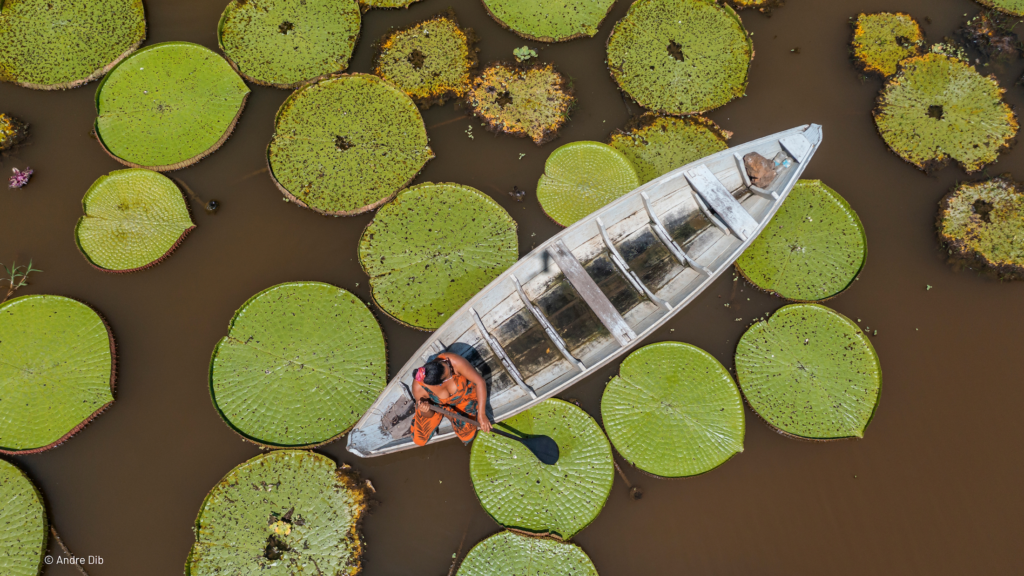
Related parties, including academic institutions, private sector stakeholders, and civil society organizations, are increasingly emphasizing the indispensable role of Indigenous Peoples and local communities. For generations, these communities have acted as the primary stewards of the Amazonian waterscape, possessing profound traditional knowledge regarding fish behaviors, seasonal cycles, and sustainable harvesting practices. Experts maintain that any effective conservation framework must formally recognize Indigenous land rights, integrate traditional ecological knowledge with modern scientific methodologies, and place local populations at the center of resource management decisions.
Broader Implications for the Future of the Amazon
The release of the Amazon Forgotten Fishes report marks a critical turning point in how scientists and policymakers conceptualize the world’s largest tropical rainforest. For generations, conservation discourse has treated terrestrial and aquatic realms as separate entities. However, this comprehensive assessment demonstrates that the future of the Amazon rainforest is inextricably bound to the health of its rivers.
As the international community confronts intersecting global crises of climate change and biodiversity loss, the plight of the Amazonian fish serves as both an indicator of systemic environmental decline and a test of regional cooperation. By dismantling isolated national strategies, strengthening cross-border regulatory enforcement, curbing destructive industrial practices, and empowering traditional stewards, regional governments possess a narrow window of opportunity to reverse these destructive trends. Ensuring that the Amazon remains a connected, resilient, and thriving freshwater system will ultimately determine the ecological integrity of the entire basin and the long-term survival of the millions of people who call it home.
