
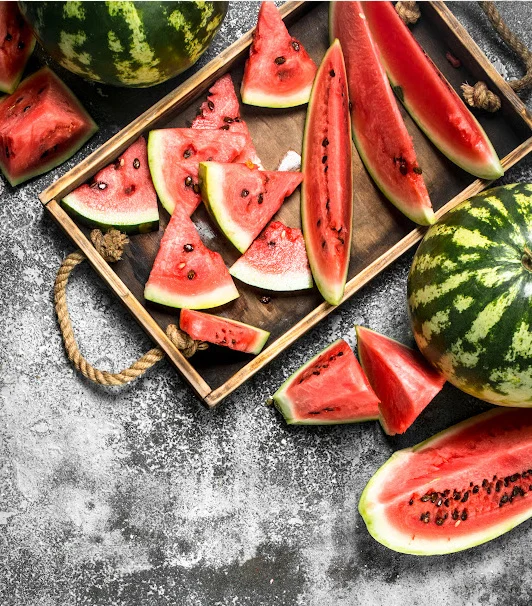
As global temperatures continue to fluctuate and summer heatwaves become more frequent, backyard poultry keepers are increasingly focused on heat-stress mitigation strategies for their flocks. Among the various methods of supporting avian health during the summer months, the incorporation of high-moisture, nutrient-dense produce—most notably watermelon—has emerged as a scientifically supported practice for maintaining hydration and systemic health in domestic chickens.
The Physiology of Heat Stress in Poultry
Chickens are particularly susceptible to hyperthermia due to their high resting body temperature, which typically ranges between 105°F and 107°F (40.5°C to 41.7°C). Lacking sweat glands, poultry rely on panting and the radiation of heat through their combs and wattles to thermoregulate. When ambient temperatures exceed 85°F (29°C), the risk of heat stress rises significantly. Persistent heat stress can lead to reduced feed intake, decreased egg production, diminished shell quality, and, in severe cases, mortality.

The introduction of watermelon into the diet serves as a dual-purpose intervention: it provides essential moisture to maintain cellular hydration and delivers a complex profile of vitamins and antioxidants that assist the bird’s physiological stress response.
Nutritional Composition and Health Implications
Watermelon (Citrullus lanatus) is comprised of approximately 92% water. While the remaining 8% is composed of sugars and fiber, it is the micronutrient density that offers tangible benefits to avian health.
- Antioxidant Profile: Watermelon is one of the richest dietary sources of lycopene, a potent carotenoid that neutralizes free radicals. In avian models, antioxidants are essential for mitigating the oxidative stress caused by heat-induced metabolic strain.
- Vitamin Synergy: The presence of Vitamins A, B6, and C supports immune function and metabolic efficiency. Vitamin C, in particular, has been shown in various poultry studies to help sustain egg production during periods of heat stress by lowering the bird’s internal body temperature and reducing plasma corticosterone levels.
- Electrolyte and Mineral Balance: Potassium and magnesium are critical for nerve conduction and muscle function. During panting, chickens lose significant amounts of electrolytes, which can lead to metabolic alkalosis. Supplementing with potassium-rich foods helps restore electrolyte balance.
- Natural Parasite Management: Cucurbitacin, a bitter compound found in the seeds and rind of cucurbits, has been identified in both historical agricultural practices and contemporary veterinary discussions as a natural anthelmintic. While it does not replace chemical dewormers for severe infestations, it acts as a preventative dietary inclusion that may assist in managing parasite loads within the flock.
Historical Context and Evolution of Poultry Husbandry
The practice of feeding garden surplus to backyard flocks is a tradition that predates modern industrial poultry farming. In the early 20th century, agricultural manuals frequently advised farmers to utilize "cull" crops to supplement the diet of free-range birds.

In recent decades, the rise of the "backyard chicken" movement—driven by concerns over food security, animal welfare, and organic egg production—has prompted a return to these traditional husbandry methods. Expert practitioners like Lisa Steele, founder of Fresh Eggs Daily, have championed the use of whole-food supplementation as a means of ensuring flock longevity. These methods focus on "natural, old-timers" techniques that prioritize the bird’s behavioral enrichment alongside nutritional requirements.
Implementation and Feeding Best Practices
For the modern flock owner, the delivery of watermelon is a simple but effective logistical task. Unlike processed feeds, which require careful calculation of protein-to-energy ratios, watermelon is classified as a "treat" or "supplement."
- Serving Methods: The fruit can be served halved, sliced, or cubed. Providing the fruit with the rind intact encourages natural foraging behavior, which is essential for the psychological well-being of the flock.
- Frequency and Moderation: While highly beneficial, watermelon should not replace a balanced, nutritionally complete poultry ration. Over-supplementation can lead to a caloric imbalance or loose stools due to the high water and fiber content. Experts suggest that treats should constitute no more than 10% of a chicken’s total daily caloric intake.
- Safety Protocols: Poultry owners should ensure the fruit is free from mold and pesticides. Because the rind is often the part of the fruit that accumulates the most surface residue, thorough washing is recommended if the melon is not organically sourced.
Analysis of Egg Quality and Production
The impact of a high-carotenoid diet on egg production is well-documented. Carotenoids—the pigments responsible for the vibrant color of egg yolks—are not synthesized by the chicken; they must be ingested through the diet.

Data indicates that flocks provided with access to fresh, pigment-rich produce consistently produce eggs with deeper, more vibrant yolk coloration. Beyond aesthetics, the nutritional density of the egg is directly linked to the diet of the hen. Research has suggested that eggs from hens fed diets high in antioxidants, such as those found in melons and leafy greens, may contain higher concentrations of beneficial fatty acids and vitamins, providing a secondary benefit to the human consumer.
Broader Implications for Sustainable Poultry Keeping
The integration of seasonal produce into poultry diets is part of a larger, circular agricultural model. By utilizing garden waste, undersized melons, or seasonal surpluses, keepers reduce food waste and lower the environmental footprint of their flock. This model emphasizes the "chicken as a scavenger" philosophy, which minimizes reliance on store-bought, heavily processed supplemental feeds.
However, keepers must remain cognizant of the limitations of such practices. While watermelon serves as a superb seasonal cooling agent, it does not mitigate the need for proper infrastructure. Adequate shade, consistent access to clean, cool water, and well-ventilated housing remain the primary defenses against summer heat-related illnesses. Watermelon should be viewed as a supplementary tool within a comprehensive management plan rather than a standalone solution.

Future Outlook and Scientific Validation
As climate change continues to alter the seasonal landscape, the ability of poultry keepers to adapt their husbandry practices is critical. The use of natural supplements like watermelon, which can be easily grown in home gardens, aligns with the growing demand for self-sufficiency and sustainable animal care.
Moving forward, it is likely that the role of specific phytochemicals, such as cucurbitacin, will receive more formal study in the context of commercial and small-scale poultry production. As more owners seek to avoid synthetic antibiotics and chemical dewormers, the validation of such natural dietary inclusions will be essential to establishing evidence-based standards for the future of poultry keeping.
In summary, watermelon remains an exemplary summer supplement. Its nutritional profile directly addresses the most common physiological challenges faced by poultry during peak heat months. When implemented as part of a balanced nutritional program and combined with sound management of the flock’s environment, it serves as an effective, affordable, and highly palatable resource for maintaining the health, vitality, and productivity of backyard birds. By adhering to the principles of moderation and providing high-quality, clean produce, keepers can ensure their flocks remain resilient against the pressures of the changing seasons.
