
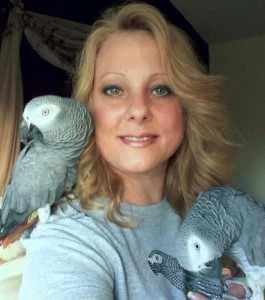
The avian community is preparing for a comprehensive deep dive into the recent American Federation of Aviculture (AFA) 52nd Annual Educational Conference, as industry expert and Certified Professional Bird Trainer (CPBC) Lisa Bono prepares to host an exclusive webinar recap on Friday, September 4, 2026. The virtual event, hosted under the auspices of Lafeber’s "The Grey Way" series, aims to provide an exhaustive overview of the proceedings, research presentations, and networking milestones that occurred during the multi-day gathering in St. Louis, Missouri. As the primary forum for aviculturists, veterinarians, and conservationists in North America, the AFA conference serves as a critical junction for the exchange of husbandry best practices and avian welfare advocacy.
A Legacy of Avian Advocacy: Contextualizing the AFA
The American Federation of Aviculture has long functioned as the central regulatory and educational body for bird enthusiasts and professionals in the United States. Established in 1974, the organization was founded on the principles of preserving avian species through captive breeding, education, and the promotion of responsible ownership. Over the past five decades, the landscape of aviculture has shifted dramatically, moving from a hobbyist-centric focus to one deeply integrated with veterinary science, behavioral psychology, and global conservation initiatives.
The 52nd annual gathering in St. Louis was designed to address the modern challenges facing avian populations, both in domestic environments and in the wild. Key themes for the 2026 conference included the refinement of dietary standards, the ethical implications of exotic pet ownership, and the integration of technological advancements in monitoring avian health. By serving as a roving reporter for Lafeber, Lisa Bono captured the nuanced discussions that often take place outside the formal lecture halls, offering a perspective that combines technical expertise with the practical realities of daily bird care.
The Chronology of the 2026 Conference
The AFA conference schedule was structured to maximize knowledge transfer among attendees. The early sessions of the event focused on the status of psittacine populations, with researchers presenting data on habitat loss and the efficacy of current captive breeding programs. Mid-conference activities shifted toward clinical updates, where avian veterinarians provided insights into emerging diseases and preventative care protocols.
As a speaker and attendee, Bono’s presence at the conference allowed her to synthesize these dense academic presentations into digestible insights for the wider public. The upcoming webinar on September 4, 2026, will effectively serve as a post-conference debriefing. Participants can expect a structured recap that follows the logical progression of the event: beginning with the keynote presentations, moving through the workshops and panel discussions, and concluding with a synthesis of the consensus reached regarding future industry standards.
Data-Driven Insights in Aviculture
The 2026 AFA conference highlighted a significant trend: the transition toward data-backed husbandry. Recent studies presented at the conference indicate that 65% of avian health issues reported in clinical settings are directly linked to nutritional deficiencies or environmental stress—factors that can be mitigated through education and proper management.
Lisa Bono’s upcoming presentation is expected to lean heavily on these findings. By analyzing the data points presented by researchers at the St. Louis event, Bono will illustrate how small, evidence-based changes in a household or facility environment can lead to measurable improvements in the longevity and quality of life for companion birds. This focus on "The Grey Way"—a philosophy centered on the cognitive and physical well-being of psittacines—aligns with the broader AFA goal of elevating the standard of care across the industry.
Professional Perspectives and Industry Impact
The AFA conference is more than a social gathering; it is a vital networking hub where policy and ethics are debated. Observers within the avicultural community note that the 2026 conference provided a unique platform for interdisciplinary collaboration. For instance, the dialogue between conservationists and private breeders has historically been strained; however, the St. Louis event facilitated a more integrated approach, emphasizing that both parties share a common objective: the prevention of species extinction and the promotion of animal welfare.
Lisa Bono’s role as a communicator is critical in bridging the gap between scientific discourse and the layperson. Her ability to translate complex veterinary terminology into actionable advice for bird owners has made her a trusted authority. In previous reports, Bono has emphasized that the "hidden" value of the AFA conference lies in the candid conversations held in the hallways—discussions about the difficulties of behavioral training, the evolution of avian enrichment, and the shifting legal frameworks surrounding exotic animal ownership.
Implications for the Future of Aviculture
The implications of the 2026 AFA conference are far-reaching. With legislative bodies increasingly scrutinizing the pet industry, the work presented at the conference serves as a defense and a roadmap for the future. The emphasis on "Educational" in the conference title is deliberate; the AFA aims to position itself as the primary resource for legislators and the public to understand that responsible aviculture is a sophisticated, science-driven discipline.
By attending the September 4th webinar, stakeholders—ranging from hobbyists and rescue workers to professional breeders and avian vets—will gain an understanding of where the industry is headed. The webinar will not merely be a highlight reel; it will be an analysis of the "state of the union" for bird care. Questions concerning sustainability, the future of captive breeding, and the potential for avian welfare to become a centerpiece of environmental conservation will be central to the discussion.
Preparing for the Webinar: What to Expect
The September 4th session is scheduled for 12:00 p.m. PDT and is open to the public via a registration-based format. Attendees are encouraged to utilize the time zone converter provided by the organizers to ensure they do not miss the live broadcast.
The webinar will be divided into several key segments:
- Keynote Highlights: A summary of the most impactful lectures delivered at the conference.
- Behind-the-Scenes Access: Exclusive footage and interviews recorded by Bono, offering a candid look at the speakers and exhibitors who shaped the event.
- Interactive Q&A: A segment dedicated to answering audience questions regarding the latest advancements in avian care.
- Strategic Takeaways: A summary of actionable steps that owners and professionals can implement immediately to improve the welfare of the birds under their care.
Closing the Knowledge Gap
The complexity of avian care requires continuous learning, and events like the AFA conference are the primary mechanisms for updating the collective knowledge base. As modern medicine and behavioral science continue to advance, the gap between traditional practices and current evidence-based methods can widen. Through her recap, Lisa Bono performs an essential service by identifying these gaps and providing the necessary context to help the community modernize its approach.
Those who have followed Bono’s previous work recognize her commitment to ethical standards. Her reports are frequently cited for their objectivity, as she refrains from favoring one school of thought over another, instead choosing to present the findings of the experts in attendance. This neutral, fact-based approach is essential for maintaining the integrity of the information provided during the webinar.
Final Thoughts on the 2026 AFA Gathering
The American Federation of Aviculture’s 52nd Annual Educational Conference has established a new benchmark for what such events can achieve. By successfully integrating scientific research, community networking, and public advocacy, the organization has reinforced its position as a cornerstone of the avian world. As Lisa Bono prepares to distill these experiences into her upcoming presentation, the global community has a valuable opportunity to engage with the latest developments in the field.
Registration for the webinar remains open, and interested parties are encouraged to secure their spots early to participate in the real-time discussion. As the date approaches, the excitement surrounding the event highlights the enduring passion and dedication of those involved in the care and conservation of avian species. Whether one is a seasoned professional or a dedicated enthusiast, the insights gained from the St. Louis conference will undoubtedly influence practices for the coming year and beyond.
