
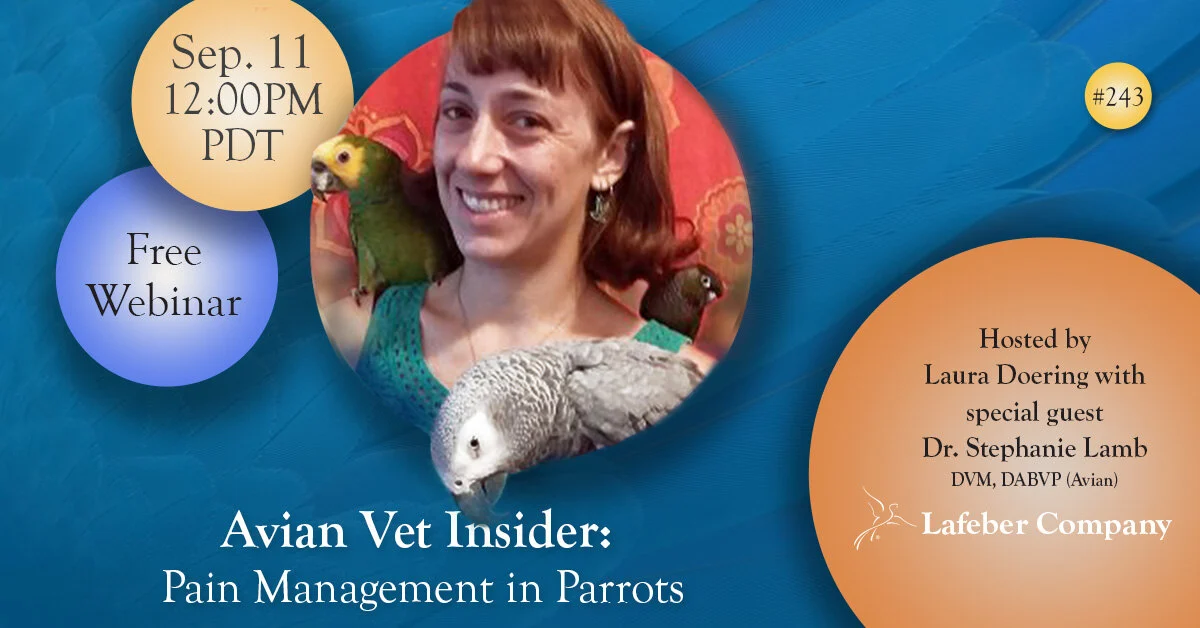
As September marks Animal Pain Awareness Month, a global initiative aimed at improving the recognition and treatment of discomfort in both human and animal patients, the veterinary community is turning its focus toward one of the most challenging areas of exotic animal medicine: avian pain management. On Friday, September 11, 2026, at 12:00 p.m. PDT, Dr. Lamb will host a specialized webinar titled "Avian Vet Insider — Pain Management in Parrots." This session is designed to equip bird owners, veterinary technicians, and avian enthusiasts with the clinical knowledge required to identify, assess, and address pain in companion psittacines.
The Challenge of Identifying Avian Pain
For decades, the veterinary field has struggled with the inherent nature of birds as prey animals. In the wild, displaying signs of weakness or illness is a biological liability that can lead to predation. Consequently, parrots have evolved to mask symptoms of pain and disease until they are often at a critical stage. Unlike dogs or cats, which may vocalize or limp in obvious ways, parrots often utilize subtle behavioral shifts to hide their distress.
This evolutionary adaptation creates a significant barrier to effective veterinary care. Dr. Lamb’s upcoming session aims to demystify these behavioral nuances. By teaching owners how to recognize subtle "tells"—such as changes in posture, reduced vocalization, shifts in appetite, or alterations in preening behavior—the webinar intends to foster earlier interventions. Early detection is widely considered the single most important factor in improving long-term prognosis for avian patients suffering from chronic conditions like arthritis, pododermatitis (bumblefoot), or post-operative recovery.
The Science of Analgesia in Psittacines
The webinar will move beyond symptom recognition to address the pharmacological landscape of avian medicine. Historically, the use of analgesics in birds was limited by a lack of pharmacokinetic data; veterinarians often had to extrapolate dosages from mammalian studies. However, the last decade has seen a surge in research regarding the metabolism of Non-Steroidal Anti-Inflammatory Drugs (NSAIDs) and opioids in avian species.
Dr. Lamb is expected to provide a detailed overview of the current standard of care regarding pain medications. This includes the appropriate application of cyclooxygenase-2 (COX-2) inhibitors, which have become a cornerstone in treating inflammatory pain in parrots, as well as the cautious use of opioids for acute trauma. A critical component of the discussion will be the importance of weight-based dosing and the high metabolic rate of birds, which requires frequent administration schedules to maintain therapeutic levels in the bloodstream.
Holistic Approaches and Alternative Therapies
In addition to conventional pharmacology, the field of avian medicine is increasingly embracing a multimodal approach to pain. This strategy acknowledges that pain is complex and rarely managed effectively by a single drug or method. The September 11 session will explore the role of alternative and integrative therapies, which are gaining traction as essential components of long-term pain management plans.
Evidence-based practices such as environmental modification, physical therapy, and nutritional support will be examined. For instance, modifying perches to alleviate pressure on the feet of birds with arthritis or utilizing targeted supplements to support joint health can significantly reduce the dependency on systemic medications. This holistic shift reflects a broader trend in veterinary medicine, where the focus has moved from merely suppressing symptoms to enhancing the overall quality of life and "welfare score" of the patient.
Chronology of Avian Pain Awareness
The push for specialized education in avian pain management did not emerge in a vacuum. The timeline of this movement can be traced back to the late 20th century, when avian medicine began to transition from a niche interest to a formal veterinary specialty.

- 1990s: Initial focus on basic avian anatomy and the identification of infectious diseases.
- 2005-2010: Increased emphasis on behavioral science and the psychological impacts of pain on captive birds.
- 2015: Landmark studies published in journals such as the Journal of Avian Medicine and Surgery began providing concrete data on the safety profiles of common pain medications, moving away from "trial and error" treatments.
- 2020-2025: The rise of digital education platforms has allowed specialists like Dr. Lamb to disseminate complex medical information to a global audience, bridging the gap between clinical research and home-based care.
Data-Driven Implications for Owners
Statistical data suggests that a significant percentage of senior parrots suffer from some form of chronic pain, particularly degenerative joint disease. Because birds live significantly longer in captivity than in the wild—often reaching 50, 60, or even 80 years of age—they are prone to age-related degenerative conditions that were rarely documented in wild populations.
According to veterinary reports, pet birds that receive consistent, proactive pain management protocols show higher rates of cognitive engagement, better reproductive health, and longer life expectancy. The implications for owners are clear: the proactive management of pain is not just a comfort measure; it is a vital component of preventative medicine that can prevent the onset of secondary health issues.
Expert Perspectives and Professional Standards
The veterinary community maintains that the professional responsibility of the caregiver extends to the psychological well-being of the bird. "Pain is not just a physical sensation," notes one veterinary consultant in the field of exotics. "It is a stressor that fundamentally alters the bird’s interaction with its environment and its human companions."
By providing this webinar, Dr. Lamb is addressing a critical void in public education. The registration process, which is currently open via the official event portal, allows attendees to participate in a live Q&A session. This interactive format is intended to ensure that specific concerns—ranging from the management of wing-clip-related injuries to the treatment of chronic internal inflammatory conditions—are addressed directly by a qualified expert.
The Broader Impact on Avian Welfare
The upcoming webinar is emblematic of a larger shift in the pet bird industry. As consumers become more informed, the demand for high-standard veterinary care has grown, pushing clinics to adopt more sophisticated diagnostic tools such as digital radiography and specialized blood chemistry panels. This upward pressure on quality care, fueled by education, leads to better outcomes across the board.
The webinar also highlights the importance of Animal Pain Awareness Month, an initiative that encourages a proactive dialogue between pet owners and their veterinarians. When owners are empowered to advocate for their birds, they can ask more informed questions during wellness exams, leading to earlier diagnoses of conditions that might otherwise remain hidden until the bird is visibly compromised.
Conclusion and Registration Information
The "Avian Vet Insider — Pain Management in Parrots" webinar serves as a critical resource for anyone committed to the long-term health of their avian companions. By synthesizing the latest in pharmacological research, behavioral observation, and integrative therapy, the session offers a comprehensive look at what it truly means to care for a bird in pain.
For those interested in participating, it is recommended to register early, as these sessions often reach capacity. Participants are advised to verify their local time zone using the provided converter tools, as the 12:00 p.m. PDT start time will translate differently across global regions. Through professional education and a deeper understanding of avian physiology, the community can ensure that birds lead not only longer lives but lives defined by comfort and well-being. Registration for the event can be completed through the link provided in the official program notice. As the industry continues to evolve, initiatives like this one remain the gold standard for bridging the gap between professional veterinary science and daily, at-home animal care.
