
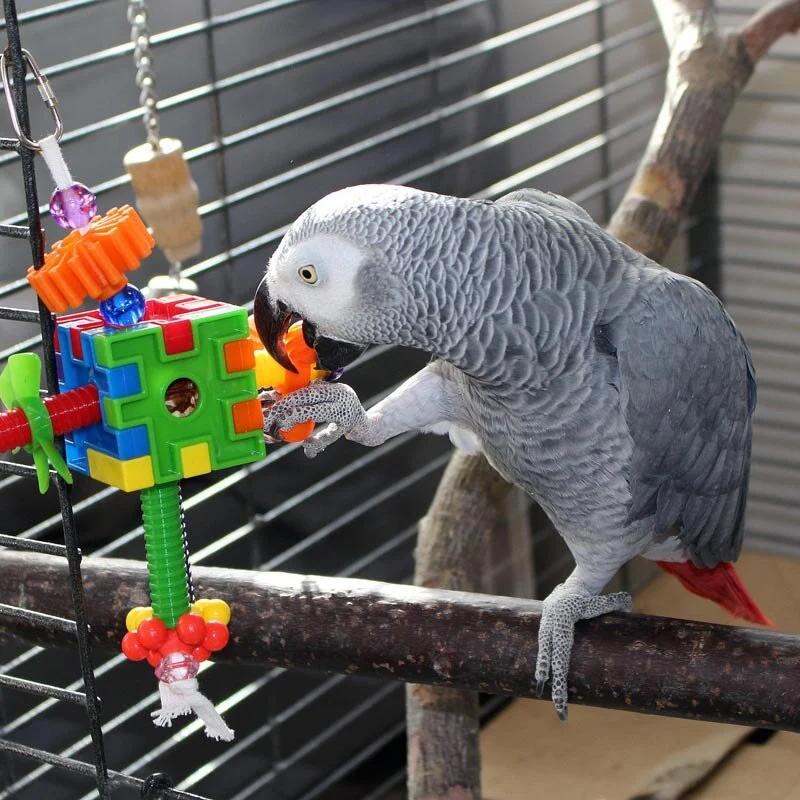
The integration of psittacines—the biological order that includes parrots, macaws, and parakeets—into domestic settings has historically shifted the traditional dynamic of pet ownership. While humans often define their role as caretakers, ornithologists and avian behaviorists have long noted that these highly intelligent, social creatures possess complex cognitive abilities that allow them to effectively navigate and influence their environments. Research indicates that parrots operate with a level of social intelligence comparable to that of primates, leading to behavioral patterns that can fundamentally reorganize human daily life. This report examines five distinct ways in which companion birds exert control over the domestic sphere, supported by behavioral observations and the implications for avian guardianship.
The Biological Basis for Scheduled Synchronization
The phenomenon of parrots dictating the household schedule is rooted in their evolutionary biology. In their natural habitats, parrots are crepuscular or diurnal flock animals that rely on rigid synchronization for survival. This biological imperative translates into the domestic environment as an insistence on consistency. According to studies published by the Association of Avian Veterinarians, parrots possess an internal biological clock that is highly sensitive to photoperiods and routine.
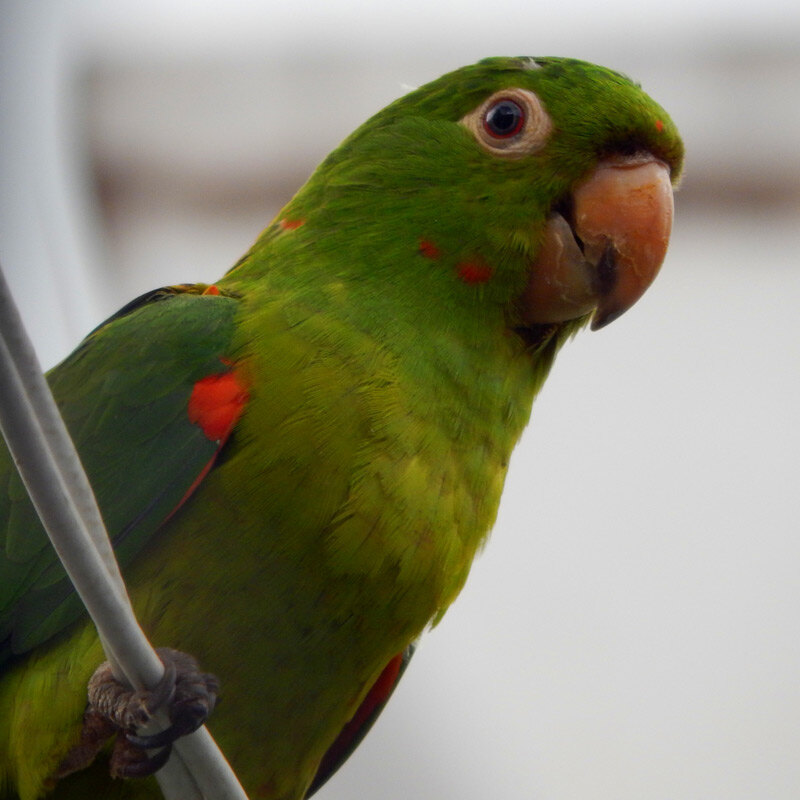
When a companion bird engages in early morning vocalizations or demands breakfast at a precise time, they are essentially practicing "flock maintenance." By requiring their human caretakers to adhere to a specific schedule, the bird is ensuring that the resources—namely food and social interaction—are provided during the windows of maximum activity. For the human owner, this often manifests as a loss of autonomy, particularly regarding sleep schedules or weekend leisure. Data from recent avian lifestyle surveys suggest that over 70% of parrot owners report their daily routines are dictated by the needs of their birds, a testament to the animal’s ability to manipulate the household hierarchy to ensure their own biological requirements are met.
Environmental Monitoring and Decor Oversight
Parrots are inherently curious and highly observant, traits that evolved to help them identify food sources and potential predators in the wild. When brought into a home, this hyper-vigilance is redirected toward the domestic landscape. Owners frequently report that their birds display immediate reactions to even minor changes in room layout, such as the addition of a new lamp or the repositioning of furniture.
Behavioral analysis suggests this is not merely a reaction to change, but a form of environmental assessment. To a parrot, the home is their territory; therefore, any alteration is viewed as an intrusion or a potential hazard. This "quality-control" behavior, where a bird may spend significant time inspecting or even vocalizing displeasure at new decor, functions as an expression of their territorial nature. This creates an implication for the owner: the home environment must be managed with the bird’s comfort and sensory input in mind. Failure to account for the bird’s reaction to environmental shifts can lead to stress-induced behavioral issues, underscoring the reality that the parrot is an active participant in the interior design process.
The Economics of Recycling and Resource Management
A notable economic and environmental shift occurs in households with parrots: the transition of waste management priorities. Common household items such as cardboard, packing paper, and paper towel rolls, which would typically be directed to a municipal recycling facility, are instead repurposed as enrichment materials. This behavior reflects the parrot’s need for destructive play—a critical component of their psychological well-being.
By shredding these materials, parrots engage in "foraging" behaviors that mimic the wood-stripping activities seen in wild species. From an avian welfare perspective, this is a positive development; it provides essential mental stimulation and physical exercise. However, from a household management perspective, it represents a fundamental change in how a family views "trash." Owners often find themselves curating a collection of materials that would otherwise be discarded, effectively turning the recycle bin into an inventory of entertainment resources. This shift illustrates the parrot’s influence over the physical resources of the home, prioritizing their own enrichment needs over standard waste disposal practices.
The Demand for Participatory Co-Existence
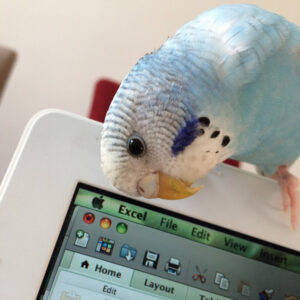
Unlike more solitary pets that may be content to observe from a distance, parrots are intensely social creatures that require active engagement. This frequently results in the "participation mandate," where the bird insists on being involved in every human task. Whether it is typing on a keyboard, reading a document, or folding laundry, the bird views these actions as communal events.
This behavior is rooted in the social structure of a flock. In the wild, parrots perform tasks—such as foraging, preening, and nesting—together. When an owner engages in a task, the bird interprets this as a collective effort and feels compelled to assist, often in ways that are counterproductive to the human. While this may cause frustration, behaviorists note that this is a sign of a strong bond and high cognitive engagement. The implication is that the human must adjust their work habits to accommodate the bird’s presence, often requiring the implementation of "dummy" work stations or alternative engagement tactics to satisfy the bird’s need for social integration.
Value Re-Assessment and the Toy Market
Perhaps the most striking example of a parrot’s influence is their ability to redefine value. In the commercial pet industry, the price of a toy is often correlated with durability and complexity. However, for a parrot, the value of an item is determined by its shreddability, texture, and the immediate satisfaction it provides. A complex, expensive plastic toy may be ignored, while a simple, "bargain" cardboard box becomes the object of intense fixation.
This discrepancy between the human perception of value and the avian reality forces owners to abandon commercial market standards. Instead, they must engage in a process of trial and error to determine what truly stimulates their specific companion. This challenge has fostered a growing industry of "homemade" or DIY avian enrichment, where the focus shifts from the retail price of the product to the functional value it provides to the bird. This serves as a constant reminder that the parrot is not merely a passive recipient of human goods, but an active consumer with distinct preferences that defy conventional economic logic.
Broader Implications for Avian Guardianship
The evidence clearly suggests that while humans provide the structure for a parrot’s life, the birds themselves possess the agency to shape the dynamics of that life. This relationship is a symbiotic, albeit highly complex, one. When individuals consider the responsibility of sharing their home with a parrot, they are not simply taking on the task of feeding and cleaning; they are entering into a social contract with a highly intelligent species that demands a seat at the table of household management.
From a sociological perspective, the "rule of the roost" held by parrots is a testament to the species’ adaptability. They have evolved to thrive in environments that require high levels of social coordination, and they apply these same skills to their human companions. As the popularity of pet birds continues to rise, it is vital for prospective owners to understand that their homes will undergo a transformation. The birds will occupy the space, dictate the rhythm of the day, and fundamentally alter the priorities of the household.
In conclusion, the influence of a parrot on a household is comprehensive. Whether it is through the precise scheduling of daily activities, the rigorous inspection of the home environment, the repurposing of waste into enrichment, the insistence on collaborative play, or the rejection of human-assigned value, these birds prove time and again that they are not merely pets. They are active, intelligent, and influential members of the family unit. Understanding this dynamic is not just a matter of convenience; it is a fundamental requirement for ensuring the long-term health and well-being of these remarkable animals. As more research into avian cognition continues to emerge, it is likely that our understanding of these dynamics will grow, further cementing the role of the parrot as a primary driver of the modern avian-human household.
