
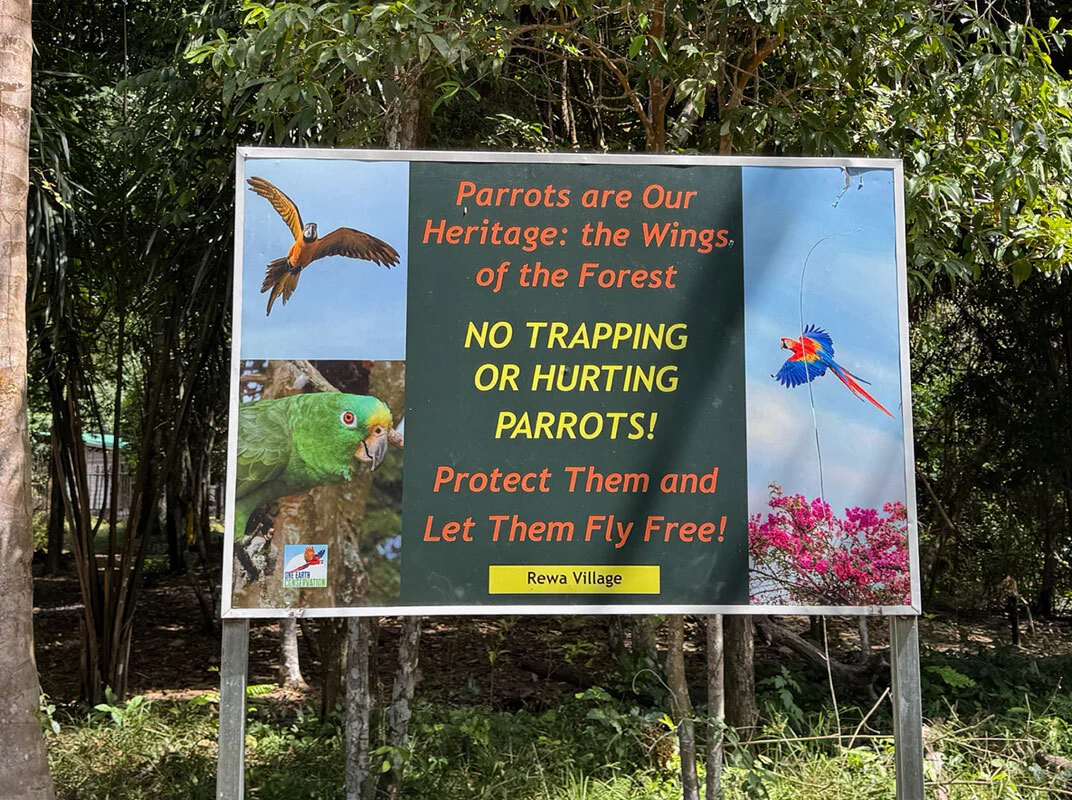
The nation of Guyana, a geographically isolated bastion of biodiversity nestled between Venezuela, Brazil, and Suriname, is currently navigating a critical juncture in its conservation history. As the only English-speaking country in South America, Guyana preserves some of the most expansive and pristine rainforests on the planet. However, the intersection of recent economic shifts—specifically the discovery of significant oil and gold reserves—and the persistent, albeit regulated, practice of wildlife trapping has necessitated a robust, community-driven response to environmental stewardship. A recent ecotourism expedition led by Phoenix Landing has highlighted both the precarious state of these avian populations and the groundbreaking success of indigenous-led conservation models that are beginning to redefine the regional landscape.
A Landscape of Ecological Riches
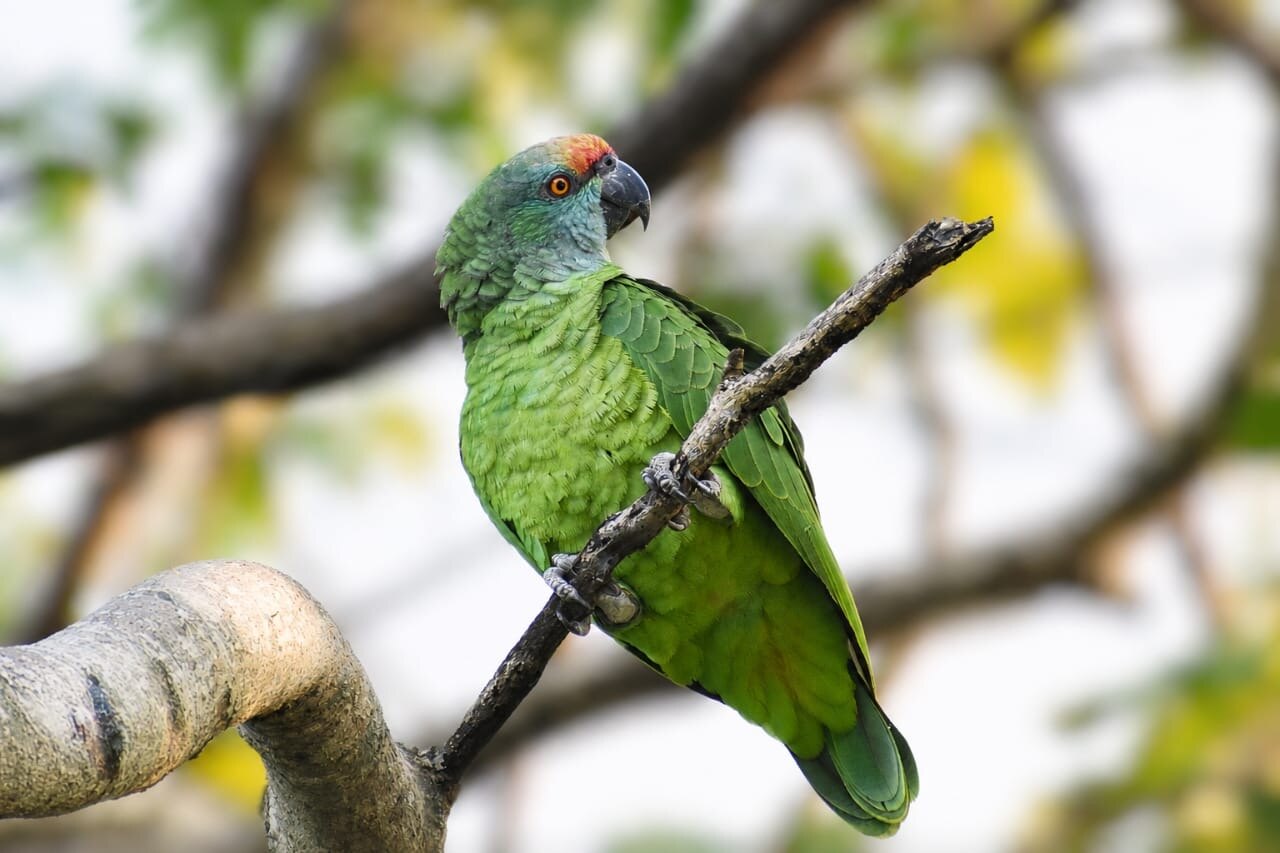
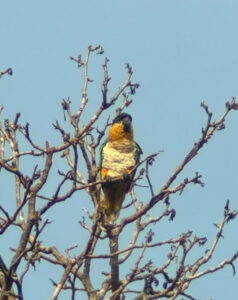
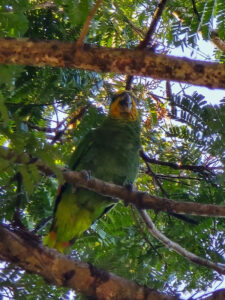
The Guyanese wilderness offers a sanctuary for a vast array of psittacines. During the recent expedition, observers documented a diverse range of species, including the elusive Red-Fan (Hawk-headed) Parrot, the Festive Amazon, and the iconic Scarlet Macaw. Despite the challenging environmental conditions—characterized by extreme humidity, high temperatures, and limited infrastructure—the expedition recorded 22 distinct parrot species. These sightings are significant, as they serve as a qualitative benchmark for the health of the local ecosystems.
The logistical difficulties faced by the team, including the absence of standard amenities like air conditioning and hot water, underscore the rugged nature of the region. Yet, these same conditions are what have protected the habitat from the rapid, large-scale industrial encroachment seen in neighboring nations. The reliance on indigenous expertise, specifically that of guide Ron Allicock and his protégé Ravi Alfred, proved essential. Allicock, a member of the Macushi people, represents a lineage of conservationists whose efforts date back to the 1990s, when his family first championed the protection of local forests against encroaching industrial development.
The Rewa Village Model: A Chronology of Success
The cornerstone of current conservation efforts in Guyana is Rewa Village, located deep within the Rupununi region. The trajectory of this community’s success provides a blueprint for other regions struggling with the balance between economic development and wildlife preservation.
- The 1990s (The Foundation): Facing the threat of unsustainable resource extraction, the leaders of Rewa Village voluntarily implemented a ban on the trapping of parrots. This move was radical at the time, given that trapping remains legal under national Guyanese law.
- 2018 (The Formalization): Recognizing that anecdotal evidence was insufficient to secure long-term policy change, the village partnered with the Rewa Ecolodge and the international non-profit One Earth Conservation. This marked the beginning of a structured, scientific monitoring program.
- 2018–2024 (Data Collection): Over a six-year span, the community conducted monthly population counts. Due to the dense, inaccessible nature of the forest, the team pioneered a "river-transect" methodology. By monitoring parrots from the waterways, they developed a reliable, replicable data set that has since been adopted by international research bodies.
- 2024 (The Milestone): The monitoring program confirmed that the number of protected parrot species within the village’s jurisdiction had increased to 22. This result provides empirical evidence that community-led "no-trapping" zones can lead to measurable recovery in local biodiversity.
Economic and Environmental Implications
The pressure to exploit Guyana’s natural resources has intensified with the country’s burgeoning oil sector. While oil extraction provides the capital necessary for national infrastructure, it brings the dual risks of habitat fragmentation and increased industrial traffic. Gold mining, a long-standing economic driver in the interior, poses further threats, including mercury contamination of river systems—a critical issue for both the local wildlife and the indigenous populations who rely on the river for their food supply.
The integration of ecotourism into the local economy is viewed by experts as a primary hedge against these destructive practices. By assigning a quantifiable economic value to live birds in their natural habitat, communities like Rewa are incentivized to protect the environment. The expansion of artisanal crafts at the Rewa Ecolodge represents an attempt to diversify this economic model, ensuring that local communities directly benefit from the presence of international visitors.
Institutional Responses and Future Initiatives
One Earth Conservation, in collaboration with local stakeholders, has recently announced the launch of a local chapter of the International Parrot Conservation Corps (PCC). This initiative seeks to move beyond passive observation by training residents of Georgetown and rural interior areas in active conservation techniques. The first cohort, consisting of 15 participants, is slated to execute a series of field projects over the coming year, focusing on population health assessments and habitat management.
The strategic importance of this effort cannot be overstated. By mobilizing a local workforce, the project aims to create a culture of "citizen science" that can provide ongoing surveillance of parrot populations without relying solely on foreign academic funding. This is particularly vital in a country where the state’s resources for environmental protection in remote areas are often stretched thin.
Analyzing the Human-Nature Interface
The success of these programs is deeply rooted in the traditional knowledge of the indigenous peoples. A notable observation from the expedition was the seamless integration of traditional survival practices with modern environmental management. Observers noted that for the indigenous guides, the forest is not merely a site for research but an interconnected web of life. The story of local guides intervening to prevent the loss of a carcass—viewed through the lens of resource efficiency rather than waste—highlights a philosophy of sustainability that is inherently different from Western models of consumerism.

This authentic alliance with nature is a recurring theme in the discourse surrounding Guyanese conservation. As the nation stands at a crossroads, the tension between the "conveniences" of modern development and the preservation of pristine habitats will define its trajectory for the next century. The hope among conservationists is that by empowering the indigenous population, the nation can establish a "conservation-first" development policy.
Conclusion: Sustaining the Momentum
The financial commitment from organizations such as Lafeber, which has pledged support to One Earth Conservation, is essential for the continued viability of the Rewa monitoring project and the expansion of the PCC. However, the long-term survival of Guyana’s parrot populations will require more than just external funding; it requires a sustained, national-level commitment to curbing the illegal and legal wildlife trade.
As Guyana continues to develop its economic profile on the global stage, the "Rewa Model" serves as a crucial reminder that conservation is most effective when it is decentralized and owned by the people who live in the forest. The data collected over the last six years clearly suggests that when local communities are given the tools to act as stewards, the results are both immediate and profound. Moving forward, the replication of this model in neighboring villages will be the true test of whether Guyana can preserve its natural heritage in an era of rapid, and often volatile, economic growth. The survival of these 22 species, and perhaps the remaining seven not yet fully accounted for in the study, hinges on the ability of these local leaders to influence national policy and maintain their commitment to a wild, untrapped future.
