

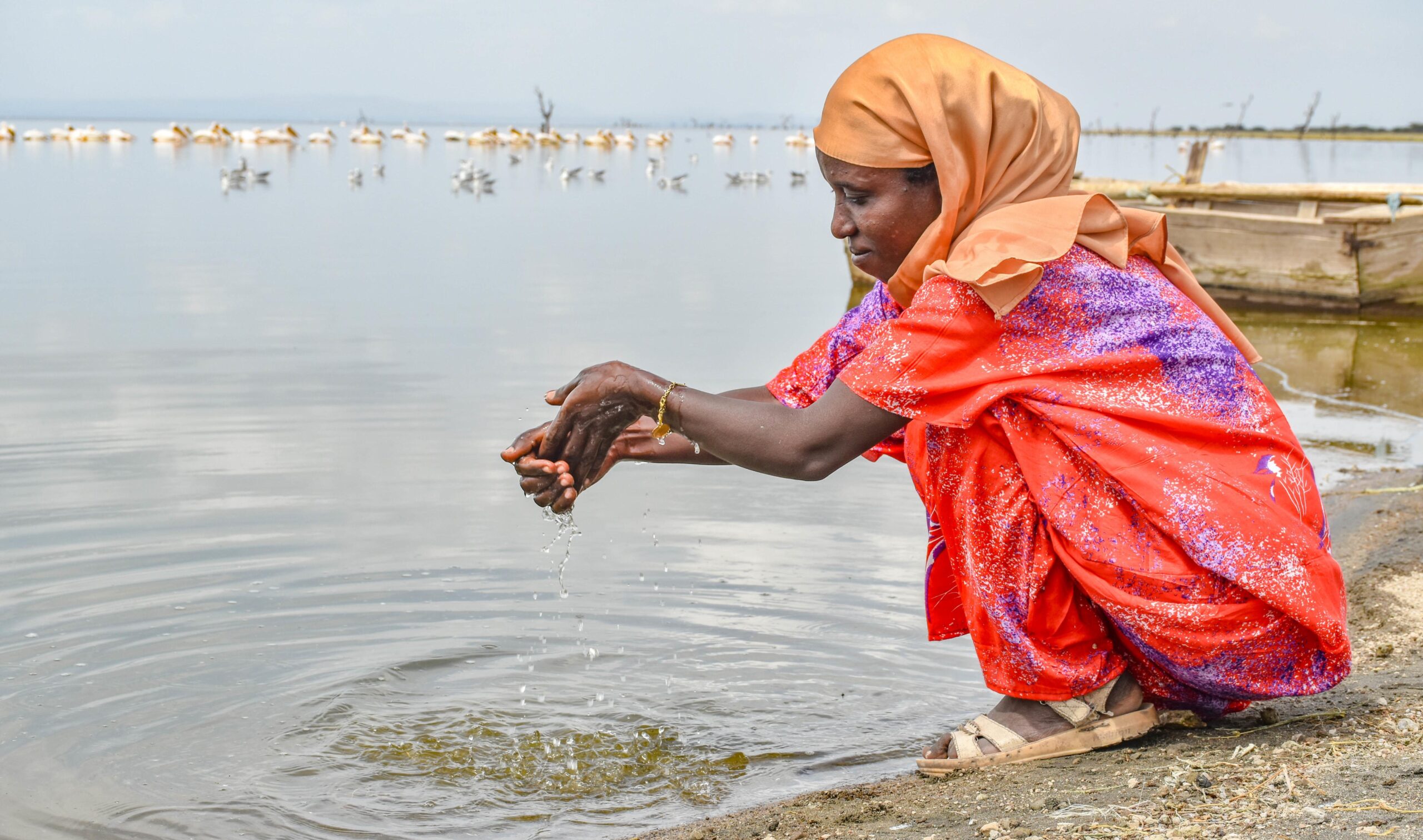
Wetlands International and Sher Ethiopia have officially launched a groundbreaking three-year initiative, the Ziway Lives and Landscapes project, aimed at comprehensively restoring the ecological health of Lake Ziway and its surrounding watershed. This critical undertaking, generously supported by The Netherlands Embassy, seeks to address the escalating environmental challenges threatening this vital ecosystem, which plays a pivotal role in supporting local communities, bolstering the Ethiopian economy, and preserving biodiversity.
The initiative is designed to confront the most pressing issues facing Lake Ziway, including alarming rates of erosion and sedimentation that are rapidly diminishing the lake’s depth and water quality. Through a multifaceted approach that integrates improved water management strategies, robust soil conservation techniques, and dedicated wetland restoration efforts, the project intends to reverse these detrimental trends. The collaboration uniquely leverages Wetlands International’s extensive global expertise and proven track record in the Ziway region with the considerable technical, agronomic, and resource capabilities of Sher Ethiopia, one of the area’s largest rose-growing companies. This synergistic partnership is poised to co-create and implement solutions that yield tangible, measurable improvements on the ground while also addressing the systemic drivers of environmental degradation.
Background and Context: The Declining Health of Lake Ziway
Lake Ziway, a vital part of the Ethiopian Rift Valley lakes system, is a cornerstone of the local economy and a crucial habitat for numerous species. For decades, it has supported agriculture, fishing, and tourism, providing livelihoods for thousands of people. However, a confluence of factors, including rapid population growth, intensified agricultural practices, and climate change, has placed immense pressure on the lake and its watershed. Deforestation in the upper catchments leads to increased soil erosion, with vast amounts of sediment washing into the lake. This sedimentation reduces the lake’s storage capacity, degrades water quality, and negatively impacts aquatic life. Furthermore, unsustainable water use for irrigation and industrial purposes, including large-scale horticulture operations, further strains the lake’s delicate water balance.
The decline of Lake Ziway represents a significant shared operational risk for businesses operating in the region. As customer awareness and regulatory scrutiny concerning environmental sustainability intensify, companies are increasingly expected to demonstrate responsible basin-level action. The Ziway Lives and Landscapes initiative offers a practical and collaborative platform for these entities to unite, showcase tangible progress, and openly share valuable lessons learned. The project’s design emphasizes its role as a catalyst for broader landscape-level action, actively encouraging and welcoming additional partners to replicate and scale successful solutions across the entire Ziway basin.
Project Pillars and Strategic Approach
The Ziway Lives and Landscapes project is structured around three core strategic pillars, each designed to contribute to the holistic restoration of the lake and its watershed:
-
Sustainable Water Use: This pillar focuses on fostering more responsible water management practices, particularly among the farming communities that rely heavily on the region’s water resources. Through collaborative efforts, the project will work with farmers to implement improved irrigation techniques, drought-resistant crop varieties, and water-efficient farming methods. This will involve knowledge sharing, training programs, and the introduction of innovative technologies to optimize water allocation and minimize wastage.
-
Nature-Based Solutions for Watershed Rehabilitation: Recognizing the critical role of natural ecosystems in maintaining water quality and regulating water flow, this pillar will invest in implementing nature-based solutions. This includes extensive reforestation and afforestation efforts in degraded areas of the watershed, the restoration of wetlands, and the construction of soil conservation structures such as terracing and check dams. These interventions are designed to reduce soil erosion, enhance groundwater recharge, and improve water retention within the landscape.
-
Water Quantity and Quality Monitoring: To ensure that interventions are effective and to inform adaptive management strategies, the project will establish and enhance robust monitoring systems for both water quantity and quality. This will involve deploying advanced sensor technology, conducting regular water sampling and analysis, and building local capacity for data collection and interpretation. The data generated will be crucial for informed decision-making, enabling stakeholders to track progress, identify emerging challenges, and refine project strategies in real-time.
Collaborative Vision and Partnerships
Simeneh Shiferaw, Programme Coordinator for Wetlands International Ethiopia, emphasized the imperative of collective action in reversing the degradation of Lake Ziway. "Reversing the degradation of Lake Ziway and its impacts on people and nature can only be tackled together—through a collaborative response that mobilizes everyone, including communities and companies," Shiferaw stated. "Our groundbreaking partnership with Sher Ethiopia is a pathway to a brighter future because it will not only showcase solutions but also inspire a broader collective effort, which will enhance the health of the landscape and drive sustainable development."
Lulit Tadele, Director of Sher Ethiopia, a subsidiary of the Dutch flower company Afriflora, echoed this sentiment, highlighting the company’s commitment to the lake’s future. "Ziway lake is critical for local communities, farmers, businesses, and biodiversity, and Sher Ethiopia is committed to playing our part in the collective effort to restore it and build resilience," Tadele remarked. "This initiative will help underpin the health of the lake that underpins the future of our community, and opens the door to other companies to support the restoration of degraded landscapes and to help achieve national goals on climate, nature, and sustainable development."
The initiative’s innovative approach is deeply rooted in the 4 Returns Framework, a holistic methodology that aims to restore natural, social, financial, and inspirational value within landscapes. This framework underscores the importance of an inclusive and collective approach to environmental management, recognizing that sustainable change requires the engagement and benefit of all stakeholders.
A Scalable Model for Basin-Level Impact

The challenges facing the Lake Ziway basin are inherently systemic, shaped by numerous pressures and involving a multitude of actors across the landscape. Consequently, lasting solutions are unlikely to emerge from isolated efforts or single organizations. The Ziway Lives and Landscapes project has therefore been intentionally designed as a scalable "proof-of-concept" and learning platform. Its primary objective is to rigorously test effective solutions in practice, generate credible lessons learned, and thereby accelerate wider collaboration and the adoption of these solutions throughout the basin.
Alwin Quispel, Counsellor for Agriculture and Nature at the Embassy of the Kingdom of the Netherlands in Ethiopia, underscored the significance of this collaborative model. "There is no silver bullet for the challenges facing Lake Ziway. We believe the answer lies in unprecedented collective action that includes strong contributions from the private sector. This innovative initiative will kickstart a new era of cooperation and environmental restoration in the landscape, which will benefit communities and economies, reverse nature loss, and strengthen climate adaptation," Quispel stated.
A Call to Action for Broader Engagement
The Ziway Lives and Landscapes project extends a clear invitation to a wide array of stakeholders to join its mission. Wetlands International and Sher Ethiopia are actively seeking to engage:
- Companies: Particularly those operating within or connected to the Ziway basin, to contribute expertise, resources, and a commitment to sustainable practices.
- Value Chain Actors: Businesses involved in the supply chains linked to the region’s agricultural and horticultural sectors, to integrate sustainability throughout their operations.
- Local Institutions: Government agencies, community-based organizations, and local authorities to provide crucial on-the-ground support and policy alignment.
- Knowledge Partners: Research institutions and universities to contribute scientific expertise, data analysis, and innovative solutions.
- Donors: Philanthropic organizations and international development agencies to provide financial support and leverage their networks.
- Community Organizations: Local groups representing farmers, fishers, and other community members to ensure that project interventions are culturally appropriate and meet local needs.
"Join us," urged Shiferaw. "If you’re a company, value-chain actor, local institution, knowledge partner, donor, or community organization, you can contribute expertise, implementation capacity, data, convening power, or co-funding to help scale what works beyond the initial demonstration sites. Partners will help accelerate basin-level impact and shape a credible, shared pathway for long-term water stewardship and environmental health in Ziway."
Potential Implications and Future Outlook
The successful implementation of the Ziway Lives and Landscapes initiative holds profound implications not only for Lake Ziway and its immediate surroundings but also for Ethiopia’s broader environmental conservation and sustainable development agenda.
-
Economic Resilience: By restoring the health of Lake Ziway, the project can bolster the long-term viability of key economic sectors, including agriculture, fisheries, and tourism. Improved water quality and availability can enhance agricultural yields, support sustainable fishing practices, and make the region more attractive for ecotourism, thereby contributing to economic growth and poverty reduction.

-
Biodiversity Conservation: The lake and its surrounding wetlands are critical habitats for a diverse array of flora and fauna, including migratory birds. Restoration efforts will directly contribute to the conservation of these valuable ecosystems and the species they support, enhancing Ethiopia’s natural heritage.
-
Climate Change Adaptation and Mitigation: Nature-based solutions, such as reforestation and wetland restoration, play a crucial role in both adapting to and mitigating climate change. These interventions can enhance landscape resilience to extreme weather events like droughts and floods, improve carbon sequestration, and contribute to Ethiopia’s national climate targets.
-
Water Security: By promoting sustainable water management and reducing sedimentation, the project will contribute to improved water security for both human consumption and agricultural use in the long term. This is particularly vital in a region prone to water scarcity.
-
Model for Replication: The project’s focus on collaboration, innovative financing, and the 4 Returns Framework positions it as a potential model for other ecologically sensitive regions in Ethiopia and beyond that are facing similar environmental challenges. The lessons learned and solutions developed can be adapted and scaled up, fostering a broader movement towards sustainable landscape management.
The launch of the Ziway Lives and Landscapes project marks a significant step forward in addressing the complex environmental challenges of the Lake Ziway basin. Through strategic partnerships, a commitment to science-based solutions, and a vision for collective action, this initiative holds the promise of revitalizing a vital ecosystem and securing a more sustainable future for the communities and natural heritage it supports.
