

Jakarta, Indonesia – July 28, 2026 — Environmental conservation experts have issued an urgent warning regarding a rapidly growing threat to Southeast Asia’s environmental stability, public health, and global climate goals. A comprehensive white paper published today by Wetlands International indicates that Indonesia is facing an alarmingly high risk of severe tropical peatland fires in the coming months. The confluence of a strengthening El Niño climate pattern, rising global temperatures, and legacy environmental degradation has created conditions primed for widespread ecological destruction, which could trigger a massive transboundary haze crisis across the region.
The newly released assessment outlines a shrinking window for preventative intervention. As the dry season intensifies, international observers, environmental scientists, and local stakeholders are calling for immediate, coordinated action to mitigate vulnerabilities before minor blazes escalate into unmanageable environmental catastrophes. The stakes extend far beyond Indonesian borders, carrying profound implications for regional economies, international biodiversity treaties, and global greenhouse gas emissions targets.
The Ecological Significance and Vulnerability of Indonesian Peatlands
Indonesia serves as the custodian of approximately 13.4 million hectares of tropical peatlands, making its territory home to one of the largest expanses of this critical ecosystem in the world. These unique wetlands function as monumental natural reservoirs, storing vast quantities of organic carbon accumulated over thousands of years. Beyond their role in global carbon sequestration, healthy peatlands act as natural hydrological regulators that manage water storage, prevent severe flooding during monsoon seasons, mitigate saltwater intrusion, and provide essential habitats for an array of endemic flora and fauna that sustain local livelihoods.
However, decades of intensive anthropogenic intervention have severely compromised these ecological buffers. Industrial logging, large-scale agricultural conversion—particularly for palm oil and pulpwood plantations—and extensive canal excavation have drained between four and six million hectares of Indonesian peatlands. When these waterlogged carbon sinks are artificially drained, the moist peat dries out, transforming an otherwise fire-resistant landscape into a highly combustible fuel source.
Unlike conventional forest fires that consume surface vegetation and timber, peat fires burn beneath the surface. These subterranean blazes smolder silently for weeks or even months through layers of compressed organic matter. Generating immense heat, they are notoriously difficult to detect and extinguish, often requiring prolonged subterranean drenching or heavy monsoon rains to fully suppress. As they burn, they release concentrated plumes of toxic smoke laden with particulate matter, carbon monoxide, and greenhouse gases at rates that dwarf typical forest fires.
Historical Precedents: Lessons from Past Crises
To contextualize the gravity of the current warning, environmental analysts frequently point to the historical precedent of the 1997–1998 El Niño event. During that period, severe droughts coincided with widespread agricultural burning, resulting in an estimated 9 to 10 million hectares of land burning across Indonesia. The disaster triggered an unprecedented transboundary haze crisis that blanketed portions of Malaysia, Singapore, Brunei, Thailand, and the Philippines.
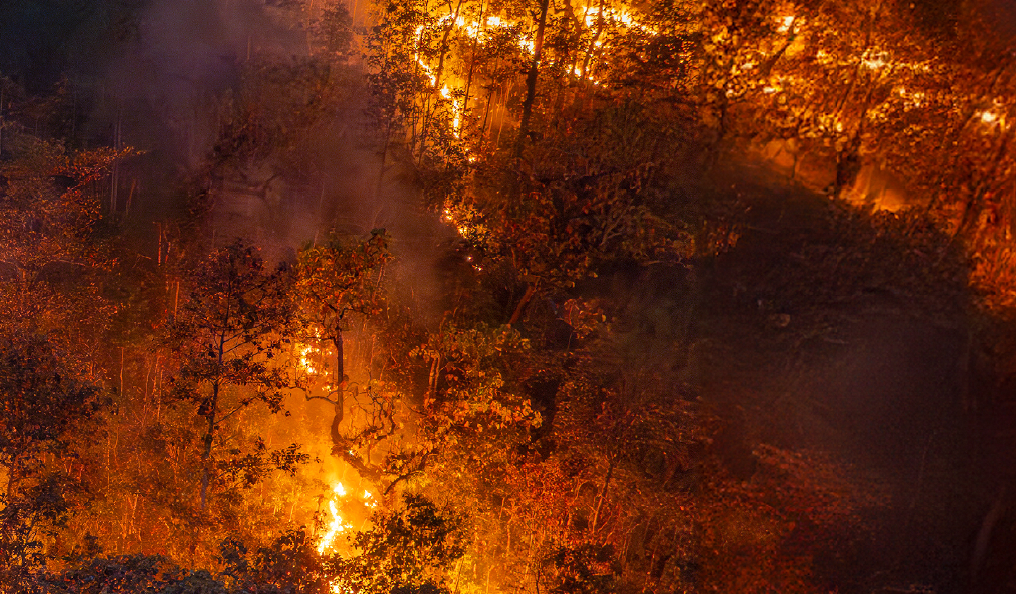
The socioeconomic and environmental toll of the 1997–1998 crisis was staggering. More than 200 million people across Southeast Asia were exposed to hazardous levels of air pollution, leading to a dramatic spike in acute respiratory infections, cardiovascular illnesses, and premature mortality. Schools and airports were forced to close due to near-zero visibility, causing severe economic disruption to aviation, tourism, and regional trade. Concurrently, the combustion of millions of hectares of carbon-rich peat released billions of metric tons of carbon dioxide into the atmosphere, contributing measurably to that year’s spike in global temperatures.
While subsequent decades have seen significant improvements in Indonesian environmental policy, law enforcement, and early warning infrastructure—particularly following the severe fire seasons of 2015—the convergence of current climatic indicators suggests that the region remains dangerously exposed to a recurrence of these historical vulnerabilities.
Macro-Climatic Drivers: The El Niño Threat and Climate Anomalies
The primary catalyst for the heightened fire risk identified in the Wetlands International white paper is the resurgence of El Niño Southern Oscillation (ENSO) conditions. El Niño phases typically result in prolonged dry seasons, significantly reduced rainfall, and elevated temperatures across maritime Southeast Asia. When combined with the baseline warming trends driven by global climate change, these meteorological factors accelerate the drying of surface vegetation and drained peat soils.
Furthermore, scientists note that altered hydrological cycles in degraded peatland areas prevent the natural water table from recovering adequately between wet seasons. Canals constructed decades ago to drain forests for agriculture continue to bleed moisture out of the landscape year-round. Consequently, even a modest reduction in seasonal rainfall can cause water tables to drop below the critical threshold required to maintain fire resistance, leaving millions of hectares vulnerable to accidental ignition or deliberate land-clearing practices.
Recommended Interventions and Emergency Preparedness
Despite the stark nature of the findings, Wetlands International emphasizes that a catastrophic fire season is not inevitable. The white paper outlines a multi-tiered framework for action, stressing that immediate, proactive measures taken by governments, private sector entities, and local communities can drastically reduce both the probability and the severity of peat fires.
At the operational level, the report calls for urgent mobilization prior to the peak of the dry season. Key short-term recommendations include:
- Hydrological Restoration: Actively blocking drainage canals to raise water tables and re-saturate dried peat layers.
- Infrastructure Maintenance: Repairing and maintaining existing rewetting infrastructure, such as canal dams, boreholes, and water reservoirs.
- Enhanced Early Warning Systems: Upgrading satellite monitoring, weather forecasting, and ground-level hotspot detection networks to enable rapid response teams to deploy before fires spread.
- Community Engagement: Empowering local fire brigades and indigenous communities with firefighting equipment, training, and resources for early intervention.
Longer-term strategic investments are equally vital to break the cycle of recurring crises. The organization advocates for the integration of climate-smart economic models, such as paludiculture—the agricultural use of wet peatlands without drainage—which allows local communities to generate sustainable income while keeping the soil saturated. Additionally, policymakers are urged to incorporate peatland protection directly into national climate resilience frameworks, recognizing these ecosystems as critical infrastructure for water security and biodiversity conservation.

Economic and Strategic Imperatives of Resilience
A central theme of the white paper is the stark economic disparity between preventative conservation and disaster response. Historically, governments and international donors have allocated substantial financial resources toward emergency firefighting operations, healthcare responses for haze-related illnesses, and post-crisis humanitarian aid. Economic analyses consistently demonstrate that every dollar invested in proactive peatland restoration and fire prevention yields manifold savings by averting the catastrophic costs associated with suppressed economic activity, healthcare burdens, and emergency suppression efforts.
From an international standpoint, managing Indonesia’s peatlands is a linchpin for global climate mitigation. Indonesia has committed to ambitious emission reduction targets under the Paris Agreement. Protecting its vast carbon stocks from combustion is essential for meeting these targets and maintaining credibility within international climate forums. Failure to protect these sinks could result in gigatons of carbon being released in a single season, undermining global efforts to cap temperature increases.
Broader Implications and Stakeholder Responsibilities
The publication of the white paper serves as a clarion call to a diverse array of stakeholders. For national and subnational governments in Indonesia, the findings underscore the necessity of maintaining stringent enforcement of existing bans on peatland conversion and fire-based land clearing. Regulatory bodies must ensure that corporations operating within or adjacent to peatland concessions are held strictly accountable for maintaining high water tables and implementing robust fire prevention protocols on their estates.
For the private sector—particularly actors in the palm oil, pulp and paper, and agricultural sectors—the message is clear: reputational and financial risks associated with peatland degradation have never been higher. International markets, financial institutions, and consumers increasingly demand transparent, deforestation-free, and peat-protected supply chains. Companies that fail to invest in rigorous landscape-level fire prevention risk severe commercial penalties, divestment, and regulatory action.
Donors and international development partners are also challenged to scale up financial support for long-term restoration initiatives. While emergency humanitarian aid remains crucial during active crises, sustainable resilience requires multi-year funding commitments directed toward community-led conservation, hydrological engineering, and scientific monitoring.
As the dry season progresses and climatic pressures mount, the international community will be watching closely to see how effectively these warnings translate into tangible ground-level action. The choices made by policymakers, corporations, and communities in the coming weeks will determine whether Southeast Asia can successfully avert a devastating environmental repeat of its turbulent past, or whether it must once again confront the profound human and ecological costs of unchecked peatland fires.
