
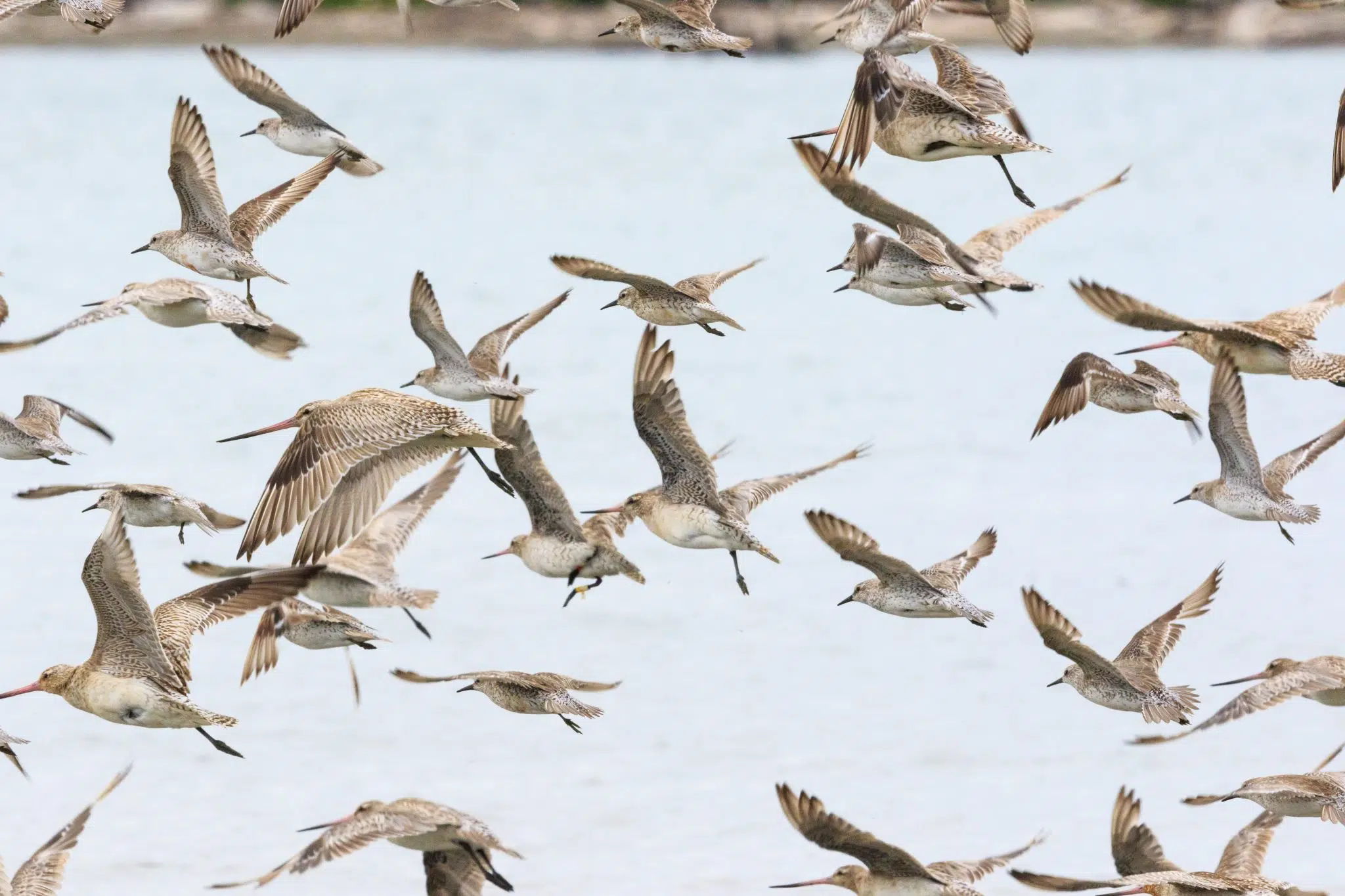
As migration peaks this May, the changing journeys of the world’s birds reveal real strain on the natural systems vital to all life on Earth, prompting a global call to action on World Migratory Bird Day. This annual observance serves not only as a celebration of one of nature’s most awe-inspiring phenomena but also as a critical reminder of the escalating threats faced by these avian travelers and, by extension, the planet itself. The perilous state of migratory bird populations underscores a profound ecological crisis, signaling a widespread degradation of habitats and a disruption of delicate environmental balances that have far-reaching implications for human societies.
A Global Alarm Bell: The State of Migratory Birds
World Migratory Bird Day, observed today and again in October to align with the two major migration peaks in the Northern and Southern Hemispheres, asks people to look beyond the wonder of migration and listen to what the birds are saying about the health of our planet. Migratory birds are not merely symbols of freedom and natural beauty; they are crucial components of global ecosystems, performing indispensable services that underpin environmental stability and human well-being. These services include the vital transport of nutrients across vast oceans, the essential pollination of plants, the widespread dispersal of seeds that facilitates forest regeneration and plant diversity, and critical roles in pest control, which helps maintain agricultural productivity and keeps diseases in check.
Despite their immense ecological value, the global trend for migratory birds is dire. Worldwide, more than 40% of bird species are now in decline, a statistic that serves as a stark warning about the broader health of natural systems. Martin Harper, CEO of BirdLife International, the only global partnership dedicated to conserving birds and all life on our planet, emphasizes the urgency of these signals. “Migratory birds connect us across countries, continents and ocean currents,” Harper explains. “Protecting the major migratory highways of the world is how we reverse those declines. And when we do, people gain too: cleaner water, food security, flood protection, and more resilience to a changing climate.” His statement highlights the intrinsic link between avian health and human prosperity, framing bird conservation not just as an ecological imperative but as a strategic investment in planetary resilience.
The Genesis and Significance of World Migratory Bird Day
World Migratory Bird Day was established in 2006 by the Agreement on the Conservation of African-Eurasian Migratory Waterbirds (AEWA) and the Convention on Migratory Species (CMS), both international treaties under the United Nations Environment Programme (UNEP). Its initial aim was to raise global awareness about the threats faced by migratory birds and the importance of international cooperation for their conservation. The decision to observe it twice a year—in May and October—is strategic, ensuring maximum engagement across both hemispheres during their respective spring and autumn migration periods. This dual observance acknowledges the global nature of migration and the need for continuous, coordinated conservation efforts. Over the years, WMBD has grown into a powerful global campaign, mobilizing hundreds of thousands of people in events and activities focused on birdwatching, education, and direct conservation action. The theme for this year, "Protect Insects, Protect Birds," further highlights the intricate web of life, emphasizing that the decline of insect populations, often due to pesticide use and habitat loss, directly impacts insectivorous migratory birds, exacerbating their existing challenges.

The Intricate Network of Global Flyways
At the heart of migratory bird conservation lies the concept of global flyways – the ancient, invisible highways of the sky that birds navigate across continents and oceans. These routes are meticulously followed by billions of birds each year as they travel between crucial breeding grounds, vital feeding areas, and essential seasonal refuges. Around the world, birds primarily utilize four major terrestrial flyways: the African–Eurasian, East Asian–Australasian, Americas, and Central Asian. In addition to these land-based corridors, six critical marine flyways crisscross the world’s oceans, accommodating seabirds on their epic journeys. These pathways, stretching across national borders and vast expanses of water, link diverse habitats that often lie thousands of kilometers apart, making their protection a truly international endeavor.
The African–Eurasian Flyway, for instance, is one of the world’s most extensive and biologically significant migration systems. It links the Arctic breeding grounds of numerous species to wintering sites across Europe, the Middle East, and extending deep into southern Africa. Birds traversing this flyway face a myriad of challenges, from habitat destruction in their breeding grounds to stopover sites degraded by human activity, and illegal hunting pressures along their arduous journeys. Similarly, the East Asian–Australasian Flyway, connecting the Arctic, East Asia, Southeast Asia, and Australasia, is a critically endangered pathway, with many shorebird species experiencing rapid declines due to the loss of intertidal wetlands that serve as essential refueling stops. The Americas Flyway System encompasses the Atlantic, Mississippi, Central, and Pacific flyways, each supporting a staggering diversity of species, from songbirds to raptors, all facing threats ranging from deforestation to climate change impacts. The Central Asian Flyway, stretching from the Siberian tundra to the Indian subcontinent and parts of East Africa, is vital for species migrating between their breeding grounds in Russia and Central Asia and their non-breeding grounds in South Asia.
The integrity of these flyways is paramount. When even a single link in this chain is broken – a crucial wetland drained, a vital stopover site urbanized, or a coastline degraded by pollution and development – the consequences can be catastrophic, leading to declines across entire species populations. The recent, tragic extinction of the Slender-billed Curlew serves as a poignant reminder of this vulnerability, underscoring the irreversible loss that occurs when these critical connections are severed. This large, migratory shorebird, once found across Eurasia, vanished primarily due to habitat loss and hunting pressure along its flyway. Its last confirmed sighting was in 1995, and despite extensive searches, it has not been seen since, officially declared extinct by the IUCN Red List in 2020. This stark reality reinforces Martin Harper’s assertion: “Migration is one of the wonders of the natural world. It also carries a very practical lesson. International challenges need international cooperation. Protecting flyways helps bring birds back. It also brings real benefits to people: healthier wetlands, more reliable food, and stronger resilience as the climate keeps shifting.”
Ecosystem Services: More Than Just Birds
The contributions of migratory birds extend far beyond their intrinsic value as living creatures. Their epic journeys are integral to the functioning of healthy ecosystems, providing services that are often unseen but profoundly important for human existence.
- Nutrient Cycling: Birds, particularly seabirds, act as vectors for nutrient transport, carrying nitrogen and phosphorus from rich feeding grounds in the ocean to terrestrial breeding colonies, where their guano enriches soils and supports diverse plant life. This natural fertilization process is vital for island ecosystems and coastal habitats, contributing to biodiversity and productivity.
- Pollination: Many species, from hummingbirds to sunbirds, are crucial pollinators for a vast array of plants, including many that produce fruits, vegetables, and seeds consumed by humans. Their specialized bills and foraging behaviors allow them to access nectar and transfer pollen, contributing to plant reproduction and genetic diversity. For instance, some tropical bird species are the sole pollinators for certain forest trees.
- Seed Dispersal: By consuming fruits and berries and then excreting seeds in new locations, often far from the parent plant, migratory birds are incredibly efficient seed dispersers. This process is essential for forest regeneration, the colonization of new habitats, and the maintenance of plant biodiversity, especially in fragmented landscapes, helping to restore degraded areas and mitigate climate change through carbon sequestration.
- Pest Control: Insectivorous migratory birds consume vast quantities of insects, many of which are agricultural pests. Their presence can significantly reduce crop damage, lessening the need for chemical pesticides and promoting more sustainable farming practices. For example, swallows and swifts devour millions of flying insects, while warblers and flycatchers target forest pests, providing a natural and cost-effective form of pest management.
- Indicators of Environmental Health: Because migratory birds rely on a chain of diverse habitats across vast geographical areas, their population trends are powerful indicators of the overall health of multiple ecosystems. Declines in migratory bird numbers can signal problems like widespread habitat loss, pesticide contamination, climate change impacts, or disease outbreaks across an entire flyway, providing early warnings for environmental managers and policymakers about broader ecological distress.
Threats on the Wing: A Perilous Journey

The "highways of the sky" are fraught with peril, and the threats to migratory birds are intensifying globally.
- Habitat Loss and Degradation: This remains the primary driver of decline. Wetlands are drained for agriculture and urban development, forests are cleared, grasslands are converted, and coastal areas are transformed, destroying vital breeding grounds, stopover sites, and wintering habitats. The rapid pace of infrastructure development, such as roads, dams, and energy projects, further fragments landscapes.
- Climate Change: Shifting weather patterns disrupt migration timing, alter food availability, and change the distribution of suitable habitats. Extreme weather events, such as prolonged droughts or intense storms, can devastate populations. Rising sea levels threaten coastal nesting and feeding sites, while increased frequency of wildfires destroys terrestrial habitats.
- Pollution: Pesticides, particularly neonicotinoids, can directly poison birds or reduce their insect prey base, causing widespread declines in insectivorous species. Plastic pollution poses ingestion and entanglement risks, especially for seabirds. Oil spills devastate marine ecosystems and bird populations. Light pollution from urban centers disorients nocturnal migrants, leading to collisions and exhausting them.
- Illegal Hunting and Poaching: In many parts of the world, migratory birds are illegally hunted for food, sport, or the pet trade, often in unsustainable numbers along their migration routes. This illicit activity is a significant driver of decline for species such as raptors, songbirds, and shorebirds.
- Collisions: Birds frequently collide with man-made structures such as wind turbines, communication towers, and glass buildings, especially during migration when they may be disoriented or flying at night. Estimates suggest billions of birds die annually from building collisions alone.
- Invasive Species: Non-native predators, competitors, or diseases introduced to sensitive ecosystems can have devastating impacts on native bird populations, particularly on islands, where endemic species often lack defenses against new threats.
Africa at the Heart of a Global Conservation Story
The African–Eurasian Flyway exemplifies the international cooperation required for effective conservation. Along this route, birds travel from the Arctic to southern Africa and back again, making the continent’s role absolutely central to their survival. Dr. Paul Matiku, Executive Director of Nature Kenya, BirdLife International’s Partner in Kenya, underscores Africa’s profound importance. “Africa is at the heart of some of the world’s great flyways,” Matiku says. “The health of our wetlands, rangelands and coastlines matters far beyond our borders. When we protect these habitats, we protect birds, biodiversity and the communities that live alongside them.”
Matiku’s remarks highlight the interconnectedness of ecological health and socio-economic well-being. Healthy wetlands in Africa, for example, provide not only critical stopover sites for Eurasian migrants but also essential water resources, flood control, and livelihoods for local communities. The degradation of these habitats impacts both migratory birds and the human populations that depend on them, exacerbating issues such as water scarcity, food insecurity, and climate vulnerability. Protecting these African landscapes is therefore a win-win strategy, yielding benefits for both wildlife and human development.
The Global Flyways Summit: A New Chapter in Conservation
A significant development in this global effort is the upcoming Global Flyways Summit, scheduled to take place in Nairobi, Kenya, this September. This marks a historic occasion, as it will be the first time the summit is being held on the African continent, underscoring the continent’s pivotal role in global avian conservation. Co-hosted by BirdLife International and Nature Kenya, the summit is designed to be a landmark gathering, bringing together a diverse array of leaders from science, policy-making, finance, business, and civil society. The primary objective is to forge a consensus on the urgent actions needed to protect migratory birds and the intricate ecosystems they depend on.
The summit is anticipated to be a crucible for innovative solutions, fostering cross-sectoral collaboration and mobilizing resources for flyway conservation. Discussions will likely focus on strengthening international agreements, developing sustainable land-use practices, combating illegal hunting, mitigating climate change impacts, and investing in nature-based solutions. A key output of the summit will be the launch of the new edition of the "State of the World’s Birds" report by BirdLife International’s scientists, with a specific focus on flyways. This comprehensive report will offer the latest, most detailed picture of bird populations globally, providing crucial data and analysis that will inform future conservation strategies and policy decisions. Its findings will reveal current trends, identify key threats, and highlight areas of success and urgent need, offering a scientific foundation for the summit’s policy recommendations. The Nairobi Declaration, expected to emerge from the summit, will likely outline a clear roadmap for flyway conservation for the coming decade.

Citizen Science and Collective Action: A Path Forward
World Migratory Bird Day is not just about highlighting problems; it is also a global invitation for collective action. Individuals worldwide are encouraged to step into this worldwide celebration of birdwatching and citizen science. The call to action is simple yet powerful: head outdoors, observe the birds around you, and record what you see. Platforms like eBird and the World Migratory Bird Day website provide avenues for individuals to contribute their observations, transforming casual birdwatching into vital scientific data. Every observation, no matter how small, adds to the growing body of knowledge that drives conservation action, helping scientists track population trends, identify critical habitats, and understand the impacts of environmental change. This democratization of data collection empowers individuals to become active participants in global conservation efforts.
Martin Harper concludes with a message of empowerment and hope: “You don’t need to be an expert to care about birds. When we notice the wildlife around us, we start to understand the condition of the places we all rely on. Birds give us both a warning and an opportunity. They show us where nature needs urgent action, and where there is still hope.” This sentiment encapsulates the essence of World Migratory Bird Day – fostering a connection between people and nature, and translating that connection into meaningful conservation efforts.
Further demonstrating this commitment to action, BirdLife International is inviting everyone to participate in their "Race to Save Birds Challenge" on May 9th. This challenge emphasizes "care" over "speed or endurance," encouraging participants to engage in mindful bird observation, contribute vital data, and raise funds to support ongoing conservation initiatives. The funds raised are crucial for supporting on-the-ground projects, advocating for policy changes, and conducting scientific research that helps birds and nature thrive. By participating, individuals directly contribute to the scientific understanding and practical implementation of conservation strategies, making a tangible difference to the future of migratory birds.
The joy derived from observing birds in their natural habitats is inextricably linked to the responsibility to protect them. The magnificent spectacle of migration, though increasingly imperiled, remains a profound testament to the resilience of nature and a powerful reminder of our shared custodianship of the planet. By heeding the warnings carried on the wings of migratory birds and acting collaboratively across borders, there is still an opportunity to safeguard these incredible journeys and secure a healthier future for all life on Earth. The collective effort, from local birdwatchers to international policymakers, is the only way to ensure that the "highways of the sky" remain vibrant and full of life for generations to come.
