

A comprehensive webinar, "Zookeeper Notes: Enriching the Whole Parrot," is scheduled for Friday, May 29, 2026, at 12:00 p.m. PST, offering bird enthusiasts and caretakers an in-depth exploration of avian well-being. The session, presented by Michiko Berceau, Certified Veterinary Technician (CVT), Bachelor of Applied Science (BAS) in Veterinary Technology, and Certified Wildlife Rehabilitator (CWR), promises to delve into the multifaceted needs of parrots, aiming to foster a more meaningful and positive state of avian health and happiness within family environments.
The webinar is designed to provide attendees with practical insights and actionable strategies for enriching the lives of their pet parrots. By focusing on the holistic development of the bird—encompassing cognitive, sensory, manipulative, and social aspects—the presentation will equip participants with the knowledge to create environments that stimulate and satisfy their feathered companions on multiple levels. The timing of this event, well in advance of the summer months which often see increased availability of exotic pets and a corresponding rise in adoption inquiries, suggests a proactive approach to ensuring responsible pet ownership and the long-term welfare of these intelligent creatures.
Understanding Avian Enrichment: A Growing Field
The concept of animal enrichment, particularly within zoological settings, has evolved significantly over the past few decades. Initially focused on basic nutritional and shelter needs, modern animal welfare science emphasizes the psychological and behavioral well-being of animals in captivity. For highly intelligent and social species like parrots, enrichment is not merely a supplementary activity but a critical component of a healthy and fulfilling life. Parrots in the wild exhibit complex behaviors related to foraging, social interaction, problem-solving, and physical activity. Replicating these opportunities in a domestic setting is essential to prevent boredom, stress, and the development of undesirable behaviors such as feather plucking or excessive vocalization.
The "Zookeeper Notes" series, hosted by Lafeber Pet Birds, has a history of providing expert-driven content on avian health and care. This particular webinar builds upon that legacy by directly addressing the intricate needs of parrots, often referred to as "little people in feathers" due to their advanced cognitive abilities and complex social structures. The choice of Michiko Berceau as the presenter underscores the webinar’s commitment to expert-led education.
Presenter Expertise: A Deep Dive into Michiko Berceau’s Qualifications
Michiko Berceau brings an impressive depth of experience and a robust educational background to the topic of avian enrichment. With over 18 years dedicated to the care of wildlife, zoo animals, and exotic species, her expertise is grounded in extensive practical application. Her credentials as a Certified Veterinary Technician and Certified Wildlife Rehabilitator highlight a strong foundation in animal health and a specialized understanding of rehabilitation protocols, often involving complex behavioral and physiological challenges.
Berceau’s academic achievements, including a BAS in Veterinary Technology, further solidify her scientific acumen. Moreover, her commitment to continuous learning is evident in her completion of over 400 hours of continuing education, a testament to her dedication to staying at the forefront of animal care advancements. The fact that she is also permitted to rehabilitate species protected under the Migratory Bird Treaty Act indicates a profound respect for avian life and a comprehensive understanding of their diverse needs, from the smallest songbird to the most complex parrot. This broad scope of knowledge is particularly valuable when discussing enrichment, as principles learned from rehabilitating wild birds can often be adapted to enhance the lives of captive parrots.
The Webinar’s Focus: Engaging Every Aspect of the Parrot
The webinar’s title, "Enriching the Whole Parrot," encapsulates its core objective: to move beyond superficial engagement and address the bird’s needs from a holistic perspective. Berceau’s intention to explore a parrot’s "mind, beak, feet, eyes, and ears" signifies a commitment to a comprehensive approach. This suggests that the session will cover:
- Cognitive Enrichment: Activities that challenge the parrot’s intellect and problem-solving skills. This could include puzzle feeders, training exercises, and introducing novel objects that require manipulation. Cognitive stimulation is crucial for parrots, as their intelligence rivals that of young children, and a lack of mental stimulation can lead to frustration and behavioral issues. Studies in comparative psychology have consistently demonstrated the importance of cognitive challenges for the well-being of intelligent species.
- Sensory Enrichment: Engaging the parrot’s senses of sight, sound, smell, touch, and taste. This might involve varying cage decor, introducing different textures, offering a diverse diet, playing varied music, or providing opportunities to explore different scents (safely, of course). Parrots have acute senses, and stimulating these can provide a rich and varied experience.
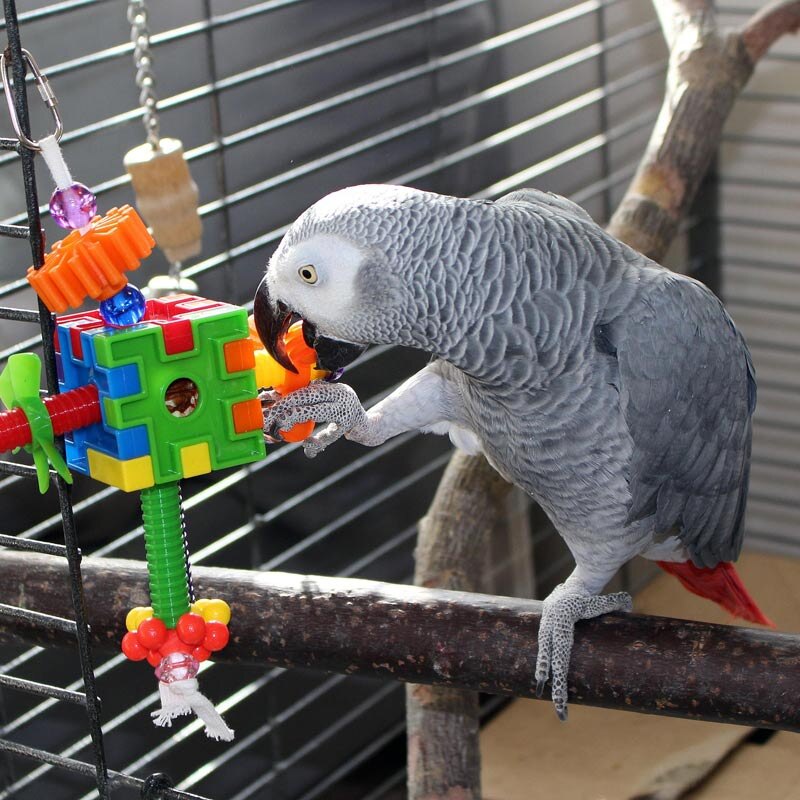
- Manipulative Enrichment: Providing opportunities for parrots to use their beaks and feet to explore, manipulate, and destroy objects. This taps into their natural foraging behaviors and instinctual need to chew and interact with their environment. Toys made of various materials, from wood and paper to natural fibers, are essential for this type of enrichment.
- Social Enrichment: Recognizing the highly social nature of parrots, this aspect will likely cover opportunities for interaction with their human caregivers, and potentially with other compatible birds if appropriate. Social bonding, positive reinforcement training, and consistent, quality interaction are vital for their emotional well-being.
Event Details and Registration Information
The webinar is scheduled to take place on Friday, May 29, 2026, at 12:00 p.m. PST. Attendees are strongly encouraged to utilize the provided time zone converter to ensure they join at the correct local time, given the global reach of online events.
Registration for the webinar is now open and can be accessed via the following link: Register Now. Early registration is advisable, as popular webinars can sometimes reach their capacity.

Broader Implications for Parrot Welfare
The emphasis on "enriching the whole parrot" reflects a growing understanding within the pet-keeping community of the complex needs of these remarkable animals. Parrots are not simply decorative pets; they are sentient beings requiring significant investment in their physical, mental, and emotional health. This webinar serves as a crucial educational resource for owners seeking to provide the highest quality of care.
The information shared in this webinar has the potential to significantly impact the lives of countless parrots in domestic environments. By empowering owners with knowledge and practical strategies, the event can contribute to:
- Reduced Incidence of Behavioral Problems: Boredom and lack of stimulation are primary drivers of common parrot behavioral issues like feather plucking, aggression, and excessive screaming. Effective enrichment can mitigate these problems, leading to happier birds and more harmonious human-avian relationships.
- Improved Physical Health: Engaged parrots are often more active parrots, contributing to better physical conditioning and a reduced risk of obesity and related health issues.
- Enhanced Human-Animal Bond: When owners understand and actively engage with their parrots’ needs, the bond between them deepens, leading to more rewarding interactions for both parties.
- Responsible Pet Ownership: The webinar promotes a deeper understanding of what it truly means to own a parrot, moving beyond impulsive acquisition to informed, long-term commitment. This can contribute to a reduction in relinquishments to shelters and rescues.
A Timeline of Enrichment Development in Zoos and Captivity
The journey toward comprehensive enrichment for captive animals, including parrots, can be broadly traced through several key phases:
- Early 20th Century: Basic Needs Focus: Animal care in zoos and private collections primarily revolved around providing adequate food, water, shelter, and protection from predators. Enrichment was largely incidental, often stemming from the natural behaviors animals exhibited in their enclosures.
- Mid-20th Century: Behavioral Observation and Basic Stimulation: As scientific understanding grew, so did the observation of animal behavior. Zoos began to recognize the importance of providing more stimulating environments, often through the introduction of basic toys or varied feeding methods. The concept of "environmental complexity" started to emerge.
- Late 20th Century: The Rise of Formal Enrichment Programs: The development of ethology (the study of animal behavior) and a growing awareness of animal welfare issues led to the formalization of enrichment programs. Zoos and research institutions began designing specific protocols to address the psychological and behavioral needs of their animals. This era saw the emergence of specialized toys, training techniques, and habitat modifications aimed at mimicking natural behaviors. For parrots, this included an increased understanding of their foraging strategies and social needs.
- 21st Century: Holistic and Individualized Approaches: Modern animal welfare science emphasizes a holistic approach, recognizing that enrichment must address multiple dimensions of an animal’s well-being—physical, psychological, social, and environmental. Increasingly, enrichment is tailored to the specific species and even the individual animal’s preferences and needs. The "Zookeeper Notes: Enriching the Whole Parrot" webinar firmly belongs to this contemporary paradigm, advocating for a comprehensive and integrated strategy for parrot care.
Conclusion
The "Zookeeper Notes: Enriching the Whole Parrot" webinar stands as a significant event for anyone involved in the care of pet parrots. With expert presenter Michiko Berceau at the helm, and a clear focus on addressing the multifaceted needs of these intelligent birds, the session is poised to offer invaluable insights. By engaging with the parrot’s cognitive, sensory, manipulative, and social requirements, attendees will gain the tools to foster a richer, more fulfilling life for their feathered companions, reinforcing the growing commitment to advanced avian welfare practices. The timely offering of this webinar underscores the ongoing dedication of organizations like Lafeber Pet Birds to educating the public and promoting the highest standards of animal care.
