
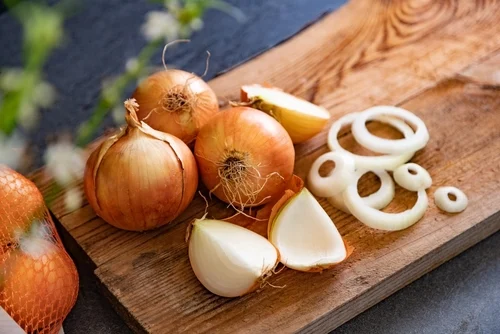
As the popularity of backyard poultry keeping continues to surge across North America and Europe, veterinary experts and avian nutritionists are issuing renewed warnings regarding the common practice of feeding kitchen scraps to domestic chickens. While the "farm-to-table" and "table-to-coop" cycles are often lauded for their sustainability and waste-reduction benefits, certain common culinary ingredients pose a hidden and potentially fatal threat to avian health. Among the most significant of these hazards is the onion and its botanical relatives, which contain a compound known as thiosulphate. This organosulfur compound, though harmless to humans in standard quantities, is capable of inducing severe physiological distress in chickens, leading to a condition characterized by the rapid destruction of red blood cells.
The danger of onion ingestion in poultry is not merely a matter of digestive upset; it is a complex biochemical reaction that targets the very foundation of the bird’s circulatory system. For years, poultry experts like Lisa Steele of Fresh Eggs Daily and various veterinary diagnostic laboratories have emphasized that the potential health risks associated with onions far outweigh any perceived nutritional benefits. As more households transition to keeping chickens for egg production and pest control, the need for comprehensive education on avian-specific toxins has never been more critical.
The Biochemistry of Thiosulphate Toxicity
To understand why onions are toxic to chickens, one must examine the chemical interaction between thiosulphate and avian hemoglobin. Thiosulphate is a naturally occurring compound found in all members of the Allium genus, including onions, shallots, leeks, chives, and scallions. When a chicken ingests these plants, the thiosulphate is absorbed into the bloodstream, where it initiates a process of oxidative stress.

In the avian body, thiosulphate interferes with the enzymes responsible for protecting red blood cells from oxidative damage. Specifically, the compound causes the hemoglobin within the red blood cells to precipitate into small, round inclusions known as Heinz bodies. These Heinz bodies weaken the structure of the erythrocyte (red blood cell) membrane. As these damaged cells pass through the spleen and liver, the bird’s immune system identifies them as defective and destroys them.
The primary danger arises when the rate of red blood cell destruction exceeds the bone marrow’s ability to produce new ones. This leads to Heinz body anemia, a hemolytic condition that deprives the bird’s vital organs of oxygen. Because chickens have a high metabolic rate and a highly efficient respiratory system designed for flight and rapid activity, the sudden loss of oxygen-carrying capacity can be devastating.
Identifying Symptoms and Clinical Progression
The clinical manifestation of onion poisoning in chickens can be subtle in its early stages, often leading keepers to overlook the initial signs of distress. However, as the anemia progresses, the symptoms become more pronounced and indicative of systemic failure.
Lethargy is typically the first observable sign. A chicken suffering from thiosulphate toxicity will appear "hunched," with ruffled feathers, and will show a marked lack of interest in foraging or social interaction with the flock. As the oxygen levels in the blood drop, the bird will exhibit rapid, labored breathing (polypnea) as it attempts to compensate for the reduced efficiency of its circulatory system.

In advanced cases, jaundice may occur. This yellowing of the skin and tissues is caused by the buildup of bilirubin, a byproduct of the rapid breakdown of red blood cells. Additionally, the bird may suffer from diarrhea and general physical weakness, eventually losing the ability to stand. If a significant amount of onion has been consumed, the toxic load can lead to heart failure and death within a matter of days. Unlike mammals, which may show immediate gastric distress, chickens often hide their symptoms until they are in a state of advanced physiological crisis, making prevention the only reliable form of management.
The Allium Family: A Spectrum of Risk
While the common bulb onion (Allium cepa) is the most frequent culprit in cases of domestic poultry poisoning, it is by no means the only member of the Allium family that poses a threat. Avian nutritionists categorize several common garden plants within this high-risk group:
- Shallots and Scallions: These are often used in salads and garnishes. Because of their smaller size, keepers might mistakenly believe they are less potent, but they contain concentrated levels of thiosulphate.
- Leeks: Frequently used in soups and stews, leeks are fibrous and contain the same toxic compounds found in onions.
- Chives: Many backyard chickens have access to herb gardens. While chickens often avoid bitter-tasting plants, some may experiment with chives, leading to low-level, chronic anemia if the behavior is not corrected.
The concentration of thiosulphate can vary depending on the variety of the plant and the conditions in which it was grown. However, the general consensus among veterinary professionals is a "zero-tolerance" policy for these specific vegetables in a chicken’s diet.
The Garlic Paradox: Nuance in Avian Nutrition
One of the most frequent points of confusion for poultry keepers is the status of garlic (Allium sativum). While garlic is a member of the Allium family, its chemical profile differs significantly from that of the onion. Garlic contains only a small fraction of the thiosulphate found in onions. Furthermore, garlic is rich in allicin, a compound with well-documented antimicrobial, antifungal, and immune-boosting properties.

Scientific research and anecdotal evidence from long-term poultry experts suggest that garlic can be a beneficial supplement when administered correctly. Many keepers use garlic powder or fresh garlic cloves infused in water to support the respiratory health of their flocks and to act as a natural deterrent for internal parasites.
The key distinction lies in the dosage and the form of the plant. Powdered garlic, having undergone drying and processing, contains negligible amounts of thiosulphate. Most experts agree that for garlic to cause hemolytic anemia in a chicken, the bird would have to ingest an unnaturally large quantity—far exceeding what would be found in a standard supplemented diet. Nevertheless, moderation remains the guiding principle, and garlic should never be the primary component of a bird’s caloric intake.
Chronology of Nutritional Guidelines in Avian Care
The understanding of avian dietary restrictions has evolved significantly over the last several decades. In the early to mid-20th century, backyard chickens were often fed a haphazard diet of whatever was left over from the farmhouse table. However, as avian medicine became a more specialized field in the 1970s and 1980s, researchers began to document specific toxicological events linked to common foods.
By the early 2000s, the rise of the internet allowed for the rapid dissemination of information among hobbyist farmers. Platforms like ChickenDVM and various agricultural extension programs began publishing lists of "toxic treats," placing onions at the top of the list alongside chocolate, caffeine, and dried beans. Today, the integration of veterinary science with accessible blogging and social media education has created a more informed community of keepers, yet the "onion myth"—the idea that chickens can eat anything humans can—persists in some circles.

Official Responses and Expert Recommendations
Leading agricultural organizations and veterinary associations, including the American Veterinary Medical Association (AVMA), emphasize the importance of balanced, species-specific nutrition. While they do not always issue specific "press releases" on onions, their guidelines on "Heinz Body Anemia in Domestic Animals" clearly include poultry as a susceptible group.
Experts recommend a three-pillar approach to flock nutrition:
- Primary Feed: 90% of a chicken’s diet should consist of a high-quality, commercially prepared poultry pellet or crumble that is nutritionally balanced for their specific life stage (e.g., starter, grower, or layer).
- Controlled Foraging: Chickens should have access to safe pasture where they can consume grass, seeds, and insects.
- Safe Supplementation: Kitchen scraps should be viewed as "treats" and should not exceed 10% of total intake. Safe options include leafy greens (excluding kale in excessive amounts), berries, melons, and cooked grains.
To prevent accidental poisoning, keepers are advised to keep a "toxic list" posted near their scrap collection bins. This list should explicitly forbid onions, avocado pits and skins, raw potato peels, and any moldy or spoiled foods.
Broader Impact and Implications for the Poultry Industry
The issue of onion toxicity extends beyond the health of individual birds; it touches upon the broader trends of food security and domestic sustainability. As more urban and suburban residents turn to chickens as a source of fresh eggs, the "health literacy" of these new farmers becomes a matter of animal welfare.

Furthermore, the impact of nutritional health on egg quality and production cannot be ignored. A flock suffering from sub-clinical anemia—where the birds are not dying but are not fully healthy due to low-level toxin exposure—will produce fewer eggs. These eggs may also have thinner shells or lower nutritional density due to the systemic stress on the hen’s body.
The economic implications are also noteworthy. Veterinary care for avian species is often specialized and expensive. A single episode of accidental poisoning can result in significant financial loss for a small-scale producer or emotional distress for a pet owner. By adhering to strict nutritional guidelines and avoiding dangerous Alliums, keepers ensure the longevity and productivity of their flocks.
In conclusion, while the chicken is an incredibly resilient and versatile animal, its unique physiology requires a specialized approach to nutrition. The presence of thiosulphate in onions represents a clear biological hazard that can lead to rapid-onset anemia and death. By prioritizing education and sticking to a regimen of safe, tested feeds and treats, backyard poultry enthusiasts can maintain a healthy environment that allows their birds to thrive, ensuring that the "fresh eggs daily" promise is met without the risk of preventable tragedy.
