
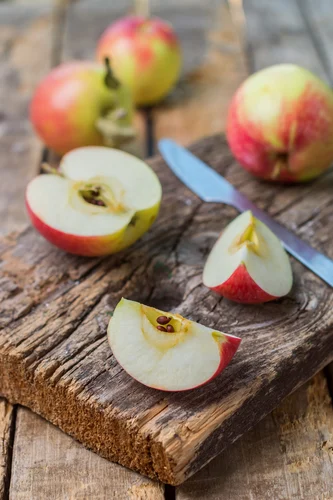
The practice of supplementing poultry diets with kitchen scraps and fresh produce has seen a significant rise as backyard chicken keeping transitions from a niche hobby to a mainstream agricultural pursuit. Among the most common treats offered to these domestic birds are apples, a fruit widely praised for its nutritional density and accessibility. However, while the flesh and skin of the apple provide substantial health benefits, the presence of cyanogenic glycosides within the seeds introduces a potential risk that flock owners must manage with precision. Veterinary experts and seasoned poultry specialists emphasize that while apples are a safe and enriching addition to a chicken’s diet, the method of preparation is critical to preventing accidental toxicity.
Nutritional Profile and Health Benefits for Poultry
Apples are more than just a palatable treat for chickens; they are a source of vital micronutrients and dietary fiber that support overall avian wellness. The primary benefit of apples lies in their high content of antioxidants, specifically flavonoids and polyphenols. These compounds play a crucial role in neutralizing free radicals, which can reduce oxidative stress in birds, particularly those in high-production laying cycles or those recovering from environmental stressors.
Furthermore, apples are an excellent source of dietary fiber, particularly pectin. Pectin is a soluble fiber that acts as a prebiotic, fostering the growth of beneficial bacteria within the chicken’s digestive tract. A healthy gut microbiome is essential for nutrient absorption and serves as a primary defense against common poultry ailments such as coccidiosis and salmonella. The inclusion of apple peels also provides a concentrated dose of Vitamin C and Vitamin A, which support immune function and the integrity of mucosal membranes.

Beyond pure nutrition, apples serve as an important tool for environmental enrichment. Poultry specialists often recommend hanging whole, cored apples from the top of a coop or run, creating a "tetherball" effect. This encourages natural pecking behaviors and provides mental stimulation, which is vital for preventing boredom-induced vices such as feather picking or egg eating within the flock.
The Toxicology of Amygdalin and Hydrogen Cyanide
The central concern regarding apples in a poultry diet involves the seeds, which contain a compound known as amygdalin. Amygdalin is a cyanogenic glycoside that remains inert as long as the seed is intact. However, when the seed is crushed or chewed—a common occurrence during the digestive process of a chicken—the amygdalin interacts with digestive enzymes to release hydrogen cyanide.
Cyanide is a potent toxin that interferes with the body’s ability to utilize oxygen at a cellular level. Specifically, it inhibits the enzyme cytochrome c oxidase, effectively "suffocating" cells even when oxygen is present in the bloodstream. While the amount of cyanide in a few apple seeds is rarely enough to prove fatal to a healthy adult human, the physiological impact on a chicken is significantly more pronounced due to their smaller body mass and rapid metabolic rate.
For younger birds, senior hens, or those with compromised immune systems, even a small dose of cyanide can be debilitating. The risk is compounded by the chicken’s gizzard, a muscular organ designed to grind food using grit and stones. The gizzard’s mechanical action is highly efficient at breaking down the tough outer coating of apple seeds, ensuring that any amygdalin present is released and converted into cyanide during digestion.

Clinical Symptoms of Cyanide Poisoning in Chickens
Identifying the signs of cyanide toxicity is critical for flock management, though the onset can be rapid, leaving little room for intervention. Owners should monitor their birds for the following clinical signs:
- Cyanosis of the Comb and Wattles: A hallmark of oxygen deprivation, the comb may take on a distinct blue or purple hue.
- Respiratory Distress: Birds may exhibit gasping, open-mouth breathing, or a noticeable shortness of breath.
- Cardiovascular Instability: This includes an abnormally rapid heart rate (tachycardia) followed by a precipitous drop in blood pressure.
- Neurological Impairment: Symptoms may progress to a loss of coordination, tremors, or loss of consciousness.
- Acute Fatality: In severe cases, cardiac arrest and death can occur shortly after ingestion.
Because these symptoms overlap with other respiratory diseases, a history of exposure to uncored fruit is often the primary clue for diagnosis. Veterinary experts suggest that prevention through proper preparation is the only reliable way to safeguard a flock from these risks.
The 10 Percent Rule and Dietary Balance
While apples are beneficial, they must be categorized strictly as a "treat" rather than a primary food source. Modern commercial poultry feeds are precision-engineered to provide the exact balance of proteins, fats, minerals, and amino acids—such as methionine—required for egg production and feather growth. Over-supplementing with fruit can dilute these essential nutrients.
The gold standard in poultry nutrition is the "10% Rule," which dictates that treats and kitchen scraps should never exceed ten percent of a bird’s total daily caloric intake. For an average laying hen, this equates to approximately one to two tablespoons of supplemental food per day. Excessive fruit consumption can lead to an imbalance in the crop’s pH, potentially causing "sour crop," a yeast overgrowth (Candida) that can be difficult to treat and life-threatening if it leads to an impaction.

Comparative Risks: The Rosaceae Family
The risk associated with apple seeds is not an isolated phenomenon. Apples belong to the Rosaceae family, which includes several other popular fruits that contain cyanogenic glycosides in their pits or kernels. These include:
- Peaches and Nectarines: The large pits contain high concentrations of amygdalin.
- Plums: Like peaches, the inner kernel is toxic.
- Apricots: Often cited as having some of the highest amygdalin levels in the fruit world.
- Cherries: Both the pits and the leaves of the cherry tree can be hazardous to livestock.
While it is unlikely that a chicken could break open a hard peach or plum pit on its own, the safest practice for any "stone fruit" is to remove the pit entirely before offering the flesh to the birds. This proactive approach eliminates the risk of both toxicity and potential choking hazards.
Chronology of Seasonal Feeding and Waste Management
The availability of apples for poultry often follows a seasonal trajectory. In the autumn months, windfall apples—those that have fallen from trees due to wind or over-ripeness—become a common resource for farm-based flocks. While this provides an economical feed source, it introduces additional risks beyond cyanide.
Windfall apples are prone to rapid fermentation and the growth of molds, some of which produce mycotoxins. Ingesting moldy fruit can lead to mycotoxicosis, causing internal hemorrhaging and organ failure in poultry. Therefore, the chronology of feeding should always involve an inspection phase: apples should be gathered, checked for rot or heavy mold, washed to remove potential pesticides, and cored to remove seeds before being distributed to the coop.

Broader Implications for Backyard Biosecurity
The discussion regarding apples and cyanide highlights a broader trend in the backyard poultry community: the need for evidence-based husbandry. As more families rely on chickens for food security and pest control, the responsibility to understand avian biology increases.
From a biosecurity and health perspective, the careful management of treats like apples contributes to a more resilient flock. Healthy birds with robust immune systems are better equipped to handle environmental pathogens. Furthermore, the practice of coring apples and removing seeds reflects a shift toward "natural" but "informed" keeping—methods that prioritize traditional scavenging behaviors while utilizing modern toxicological knowledge to avoid preventable losses.
Expert Recommendations for Safe Consumption
To maximize the benefits of apples while eliminating the risks, poultry experts recommend a standardized preparation routine. The fruit should be sliced or halved to allow multiple birds to access the flesh simultaneously, reducing "peck order" bullying. Using a dedicated apple corer is the most efficient way to ensure all seeds are removed.
In summary, apples are an exemplary treat for chickens when managed correctly. They provide hydration, fiber, and mental stimulation. By adhering to the 10% rule and ensuring that every apple is cored and seed-free, poultry owners can enhance their flock’s diet without compromising their safety. As the backyard poultry industry continues to evolve, the emphasis on such specific dietary protocols will remain a cornerstone of successful and humane bird management.
