

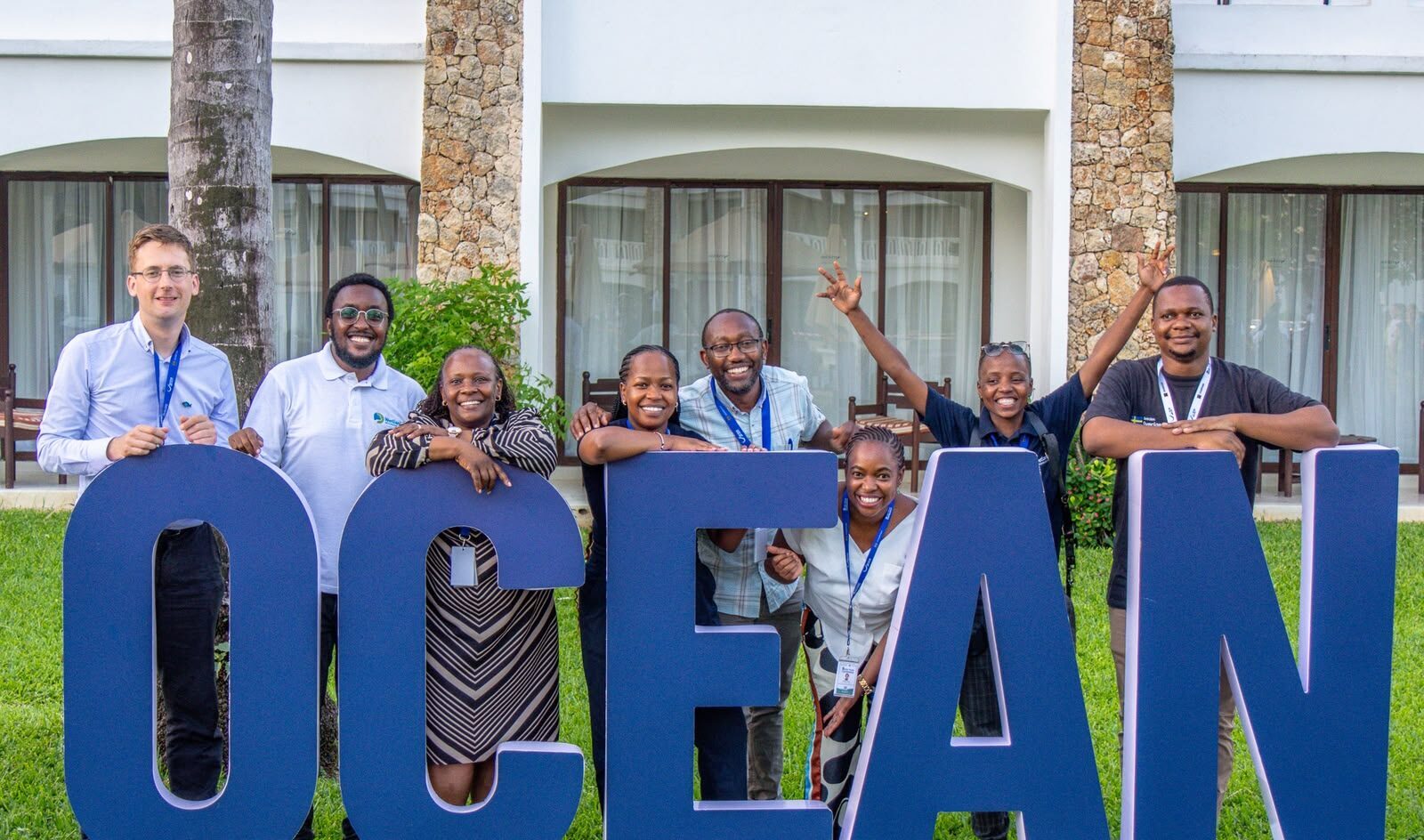
From Mombasa, Kenya, our teams from East Africa and the Global Office joined partners, governments, communities, and investors at the 11th Our Ocean Conference under the theme “Our Ocean, Our Heritage, Our Future.”
The 11th Our Ocean Conference, held in Mombasa, Kenya, from June 23-24, 2026, convened a global assembly of stakeholders dedicated to the sustainable management of the world’s oceans. Under the powerful theme, “Our Ocean, Our Heritage, Our Future,” the conference served as a pivotal platform for discussions, commitments, and the forging of new partnerships aimed at addressing the multifaceted challenges facing marine ecosystems. Wetlands International, represented by its East Africa and Global Office teams, actively participated, emphasizing the indispensable role of coastal wetlands in underpinning a thriving blue economy, safeguarding biodiversity, and bolstering climate resilience.
The gathering, a significant biennial event initiated by the European Union in 2014, has consistently driven concrete action and financial commitments towards ocean conservation. This year’s iteration in Mombasa marked a crucial moment, bringing together over 1,000 delegates from more than 100 countries, including heads of state, ministers, business leaders, scientists, and civil society representatives. The choice of Mombasa underscored the growing recognition of the critical importance of ocean health to developing nations and coastal communities, particularly in Africa.
Highlighting the Unseen Value of Coastal Wetlands
Wetlands International’s participation was characterized by a strategic focus on illuminating the often-underestimated contributions of coastal wetlands. Through a series of engaging panel discussions, intensive networking events, crucial partner meetings, and vital community-led conversations, the organization effectively showcased how these vital ecosystems deliver tangible benefits for people, nature, and the climate. The core message resonated: healthy coastal wetlands are not merely ecological curiosities but fundamental infrastructure for a sustainable future.
The organization’s advocacy centered on several key areas:
- Coastal Protection and Resilience: Wetlands, such as mangrove forests and salt marshes, act as natural buffers against storm surges, tsunamis, and coastal erosion. Their intricate root systems dissipate wave energy, significantly reducing damage to coastal communities and infrastructure. With rising sea levels and increasingly intense weather events linked to climate change, the protective services of wetlands are more critical than ever. Data from the Intergovernmental Panel on Climate Change (IPCC) consistently highlights the vulnerability of low-lying coastal areas to inundation, making nature-based solutions like wetland restoration a cost-effective and ecologically sound alternative to hard engineering.
- Biodiversity Hotspots and Fisheries Support: Coastal wetlands are nurseries for a vast array of marine and freshwater species. They provide essential breeding grounds, feeding areas, and shelter for countless fish, crustaceans, and bird species. The health of these wetlands directly correlates with the productivity of adjacent marine fisheries, which are vital sources of food security and livelihoods for millions worldwide. The Food and Agriculture Organization of the United Nations (FAO) estimates that over 3 billion people rely on fish as a primary source of protein, underscoring the economic and nutritional importance of healthy wetland ecosystems.
- Carbon Sequestration and Climate Mitigation: Coastal wetlands, particularly mangroves and seagrass beds, are among the most efficient carbon sinks on the planet, often referred to as "blue carbon" ecosystems. They can store significantly more carbon per unit area than terrestrial forests. Protecting and restoring these habitats is therefore a powerful strategy for mitigating climate change by removing carbon dioxide from the atmosphere. Research published in journals like Nature Climate Change has quantified the immense carbon storage capacity of these ecosystems, highlighting their role in meeting global climate targets.
- Water Quality Improvement and Livelihoods: Wetlands act as natural filters, trapping sediments, pollutants, and excess nutrients from land-based runoff before they reach the ocean. This process improves water quality, safeguarding marine life and human health. Furthermore, wetlands support diverse livelihoods through sustainable fishing, aquaculture, ecotourism, and the harvesting of resources like reeds and salt.
A Chronology of Engagement and Collaboration
The lead-up to the 11th Our Ocean Conference saw extensive preparation and engagement from Wetlands International. Months prior, the organization initiated dialogues with key government agencies in East African nations, local community leaders, and potential investors to identify shared priorities and potential project synergies. These preliminary discussions were crucial in shaping the organization’s messaging and identifying concrete opportunities for collaboration during the conference itself.
June 22, 2026: Pre-conference workshops and informal stakeholder meetings commenced in Mombasa, allowing delegates to engage in deeper discussions on specific thematic areas. Wetlands International representatives participated in these sessions, building crucial relationships and laying the groundwork for productive interactions during the main conference.
June 23-24, 2026: The official Our Ocean Conference 11 program unfolded. Wetlands International’s presence was marked by a series of impactful engagements:
- Panel Discussions: The organization actively contributed to panels focusing on marine conservation, sustainable fisheries, climate adaptation, and the blue economy. These sessions provided a platform to present data-driven insights, share successful case studies from East Africa, and advocate for policy changes that prioritize wetland protection.
- Networking Events: Dedicated networking sessions facilitated direct interactions with government officials, potential funding partners, research institutions, and other non-governmental organizations. These encounters were instrumental in forging new alliances and identifying avenues for joint initiatives.
- Partner Meetings: Bilateral meetings with existing partners allowed for the evaluation of ongoing projects, the identification of new collaborative opportunities, and the strengthening of mutual commitments. These discussions often revolved around scaling up successful wetland restoration and conservation models.
- Community-Led Conversations: Recognizing the invaluable role of local communities as stewards of coastal ecosystems, Wetlands International organized and participated in community-led discussions. These sessions ensured that the voices and needs of those most directly impacted by coastal degradation and conservation efforts were heard and integrated into broader policy discussions. This approach aligns with global best practices in conservation, emphasizing inclusivity and equitable benefit-sharing.
Statements and Inferred Reactions
While specific quotes from Wetlands International’s representatives at the event were not detailed in the initial content, the organization’s strategic participation strongly suggests a proactive and influential role. The emphasis on collaboration and partnership implies a desire to move beyond traditional advocacy towards tangible, action-oriented outcomes.
The closing remarks of the conference, which typically highlight key commitments and future directions, would likely have echoed the sentiment of the importance of nature-based solutions, a core tenet of Wetlands International’s message. The growing recognition of healthy coastal wetlands for future generations, as expressed in the provided text, indicates a positive reception to the organization’s advocacy.
One could infer that government representatives, particularly those from coastal nations like Kenya, would have shown keen interest in the data presented on coastal protection and fisheries enhancement. Investors and development partners would have been particularly attuned to the economic benefits and the potential for sustainable livelihood creation linked to wetland conservation, aligning with the burgeoning global interest in the blue economy.
Data-Driven Advocacy and Future Implications
The success of initiatives like the Our Ocean Conference hinges on concrete data and measurable commitments. Wetlands International’s emphasis on presenting evidence-based arguments underscores this reality. For instance, studies have shown that investments in mangrove restoration can yield returns of up to ten times the initial cost through coastal protection, carbon sequestration, and fisheries enhancement. Such figures are compelling for policymakers and investors alike.
The implications of the discussions and partnerships forged at Our Ocean Conference 11 are far-reaching. For Wetlands International and its partners, the conference served as a springboard for:
- Accelerated Wetland Restoration: The heightened awareness and potential for new funding streams are expected to accelerate the pace of mangrove, salt marsh, and seagrass restoration projects across East Africa and globally. This is crucial for rebuilding degraded ecosystems and enhancing their capacity to deliver vital services.
- Enhanced Policy Integration: The organization’s advocacy aims to ensure that coastal wetlands are more systematically integrated into national and international ocean management policies, climate adaptation strategies, and blue economy development plans. This includes advocating for stronger legal protections and the allocation of dedicated funding.
- Strengthened Public-Private Partnerships: The conference environment fostered collaboration between governments, NGOs, and the private sector. This is essential for mobilizing the diverse expertise and financial resources needed to address the complex challenges of ocean health. For example, private sector investment in sustainable aquaculture that is integrated with wetland conservation can create economic opportunities while protecting ecological integrity.
- Increased Community Empowerment: By prioritizing community-led conversations, the organization reinforces the principle that effective conservation requires the active participation and empowerment of local communities. This leads to more sustainable and equitable outcomes.
A Legacy of Collaboration and Hope
The 11th Our Ocean Conference in Mombasa was more than just a meeting; it was a testament to the collective will to protect and sustainably manage the planet’s most vital resource. Wetlands International’s active role underscored the critical, yet often overlooked, importance of coastal wetlands. The organization leaves Mombasa inspired by the powerful partnerships forged, the promising opportunities that lie ahead, and the increasingly recognized imperative that healthy coastal wetlands are not just an environmental concern, but a fundamental necessity for the prosperity and well-being of generations to come. The visual documentation from the event, captured in the provided slideshow, serves as a lasting reminder of the vibrant engagement and collaborative spirit that defined this significant global gathering. The journey towards a healthy ocean, rich in heritage and promising for the future, is one that requires continuous commitment, innovation, and the unwavering recognition of nature’s indispensable role.
