

The FIFA World Cup, a quadrennial tournament that captivates billions worldwide, is far more than just a celebration of athletic prowess on the football pitch. For many participating nations, it also serves as an unwitting spotlight on their rich and often spectacular avian biodiversity, particularly their vibrant parrot populations. As fans unite to support their national teams, a closer look reveals that these same countries are home to an astonishing array of parrots, from the majestic macaws to the diminutive parakeets, painting a colorful backdrop to the global sporting event. This exploration delves into the parrot populations of several nations featured in recent World Cups, highlighting their significance and the conservation efforts surrounding them.
Brazil: A Parrot Powerhouse and Global Contender
Brazil, a titan of international football and a consistent contender for the World Cup title, also reigns supreme in the avian kingdom as a veritable powerhouse of parrot diversity. The sheer scale of Brazil’s parrot population is staggering, with over 80 distinct species recorded within its vast and varied landscapes. This includes some of the most iconic and recognizable parrots globally, such as the magnificent Hyacinth macaw, a bird of immense size and striking cobalt-blue plumage. Alongside these giants are the vibrant Blue-and-gold macaws, whose vivid yellow and blue feathers are a common sight in the Amazon, and the equally stunning Green-winged macaws. The country is also home to a multitude of smaller macaws, a wide array of Amazon parrots, and numerous species of conures, each contributing to the unparalleled avian richness of the nation.
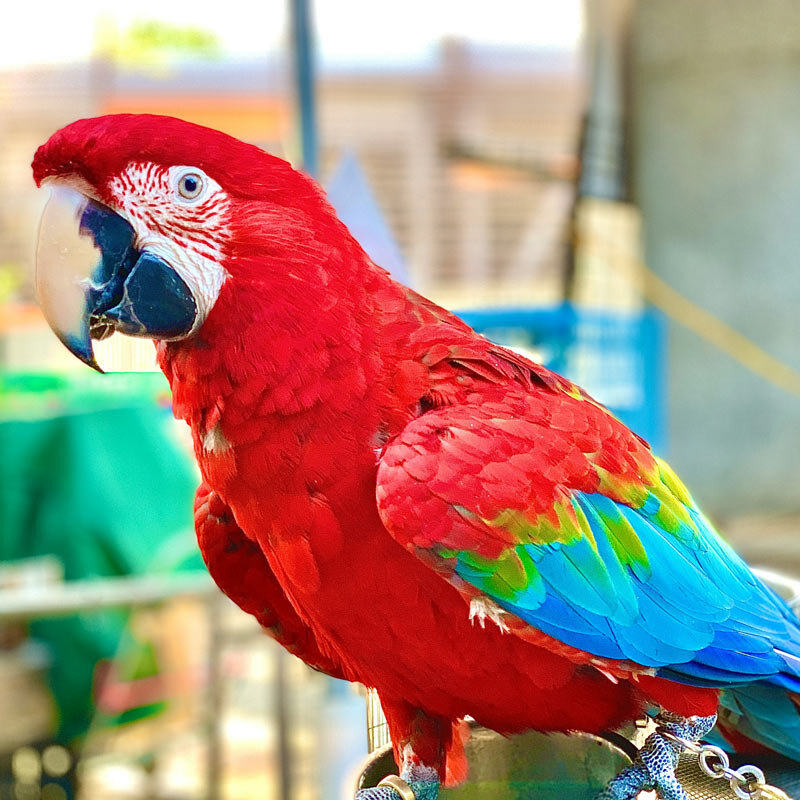
The profound connection between Brazil’s identity and its parrot populations is underscored by a unique cultural and economic acknowledgment: the Green-winged macaw is prominently featured on the reverse side of the Brazilian 10-real banknote. This makes Brazil one of the select few nations worldwide to grace its currency with the image of a parrot, a testament to their deep-rooted presence in the national consciousness and natural heritage. The presence of these birds is not merely a matter of biodiversity; it’s an integral part of the Brazilian ecosystem and cultural tapestry, often visible and audible even in proximity to urban centers, offering a vibrant natural spectacle alongside the roar of the football crowds.
Mexico: A Crossroads of Avian Wonders
Mexico, a nation with a fervent passion for football and a history of hosting World Cup events, also boasts a remarkable diversity of parrot species, thanks to its varied ecological zones ranging from tropical rainforests to arid deserts. The country is a sanctuary for more than 20 native parrot and parakeet species, many of which are endemic, meaning they are found nowhere else on Earth. Among these unique inhabitants are the Mexican parrotlet and the Maroon-fronted conure, species that highlight Mexico’s critical role in global parrot conservation.
The grandeur of the parrot world is further represented in Mexico by the presence of Military macaws, known for their striking green and red plumage. The nation is also a stronghold for numerous Amazon parrot species, including the Double-yellowheaded Amazon, celebrated for its intelligence and vocal abilities, and the Yellow-naped Amazon, another charismatic member of this diverse group. For bird enthusiasts attending World Cup matches in Mexico, the experience is often enhanced by the unexpected spectacle of wild parrots soaring overhead in many regions, a vibrant natural display that complements the excitement of the sport. This coexistence underscores the importance of protecting these natural habitats within and around the areas frequented by international visitors.
Paraguay: A Landlocked Gem of Parrot Diversity
Nestled in the heart of South America, Paraguay, often referred to as the "Heart of South America" due to its central geographical location, is a nation that belies its landlocked status with an impressive abundance of parrot life. For bird enthusiasts, Paraguay presents a particularly noteworthy avian landscape, with 24 distinct parrot species recorded within its borders. This remarkable diversity encompasses a wide spectrum of sizes and forms, from the small and agile parakeets and conures, known for their vibrant colors and energetic personalities, to larger, more imposing parrots such as macaws and Amazon parrots.
The remarkable parrot diversity found in Paraguay makes it a crucial stronghold for numerous South American parrot species. It stands as a fascinating destination for birdwatchers and conservationists alike, offering a glimpse into a thriving ecosystem where these birds play a vital role. The presence of such a rich variety of parrots underscores the ecological significance of Paraguay’s natural reserves and the ongoing efforts to preserve these habitats. The conservation challenges faced by these species, often linked to habitat loss and the pet trade, are a critical focus for ornithologists working in the region, making any World Cup visit to Paraguay an opportunity to appreciate not only its footballing spirit but also its invaluable avian heritage.
Australia: The Realm of Cockatoos and Cockatiels
Australia, a continent renowned for its unique marsupial fauna, is also a global leader in parrot diversity, often described as one of the world’s great parrot nations. The sheer variety and abundance of its parrot species are remarkable, making it a must-watch destination for both football aficionados and bird enthusiasts. Iconic species such as the Sulphur-crested Cockatoo, with its brilliant white plumage and striking yellow crest, and the charming Galah cockatoo, displaying a distinctive pink and grey coloration, are ubiquitous across the Australian landscape.

Furthermore, Australia is the ancestral home of many of the world’s most beloved pet bird species. The diminutive and highly popular Cockatiel, known for its crest and cheerful disposition, and the Budgerigar (budgie), a small, long-tailed grass parakeet, are Australian natives that have found homes in aviaries and households across the globe. Other notable Australian parrots include the vibrant Eclectus parrots, famous for their striking sexual dimorphism in plumage, and the kaleidoscopic Rainbow Lorikeets, whose iridescent feathers create a breathtaking spectacle as they flock in large numbers. The presence of these familiar and cherished species adds an extra layer of appeal for international visitors, connecting the excitement of the FIFA World Cup with the natural wonders of this vast continent.
New Zealand: Home to the Ingenious Kea
New Zealand, an island nation celebrated for its dramatic landscapes and unique wildlife, is also home to a fascinating and distinctive group of parrots, quite unlike those found elsewhere. The undisputed star of New Zealand’s avian parrot population is the Kea, a mountain-dwelling parrot renowned for its exceptional intelligence, insatiable curiosity, and often mischievous nature. These birds are known for their tendency to investigate anything left unattended, from backpacks to vehicles, often with playful, and sometimes destructive, results. Their adaptability to harsh alpine environments and their complex social behaviors make them a subject of intense scientific interest.
Beyond the Kea, New Zealand is also the sanctuary for the Kākā, a large, nocturnal parrot, and the critically endangered Kākāpō. The Kākāpō, a flightless, nocturnal parrot, is a conservation icon, representing one of the most challenging and rewarding conservation efforts globally. Its unique evolutionary path and precarious status underscore the delicate balance of New Zealand’s endemic fauna and the critical importance of ongoing protection strategies. The presence of these unique parrots serves as a powerful reminder of the evolutionary distinctiveness of island ecosystems and the urgent need for their preservation, a message that resonates particularly strongly in a nation proud of its natural heritage.

Argentina: Cliff-Nesting Parrots and Footballing Prowess
Argentina, a nation synonymous with World Cup glory and a deep-seated passion for football, also holds significant importance for bird enthusiasts, particularly those interested in parrots. While its football legacy is widely celebrated, its avian contributions are equally compelling. Argentina is the native homeland of the Monk Parakeet, also known as the Quaker Parrot, a species recognized for its complex social structures and impressive communal nesting habits.
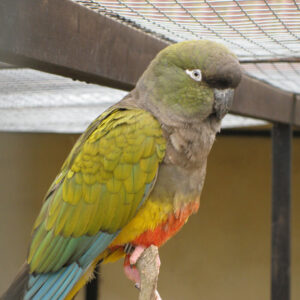
However, perhaps the most striking parrot species found in Argentina is the Patagonian Conure, also referred to as the Burrowing Parrot. This magnificent conure, one of the largest in its genus, is famed for its extraordinary nesting behavior. It constructs its nests within massive cliffside colonies, creating vast structures that are a breathtaking spectacle of natural engineering. One such colony in Argentina is considered the world’s largest parrot breeding colony, a testament to the species’ success and the ecological significance of the Patagonian region. The parrot diversity in Argentina, marked by these unique nesting behaviors and species, rivals the nation’s renowned passion for football, offering visitors a dual experience of sporting excellence and natural wonder.
Colombia: A Symphony of Macaws and More
Colombia, a nation that has consistently produced world-class football talent and hosted major sporting events, is also a treasure trove of avian biodiversity, boasting an impressive array of parrot species that rival its sporting achievements. For World Cup visitors, the parrots of Colombia serve as a vibrant reminder that the country’s natural wonders are as spectacular as its footballing prowess. The skies above Colombia are graced by magnificent species such as the Scarlet Macaw, with its brilliant red, yellow, and blue plumage, and the iconic Blue-and-gold Macaw, a symbol of the South American rainforests.

The country is also home to the Military Macaw and the exceptionally rare Indigo-winged Parrot. This latter species, once thought to be extinct, was rediscovered in the Colombian Andes, highlighting the importance of continued exploration and conservation efforts in the region. Beyond these striking macaws, Colombia’s diverse habitats support a rich variety of Amazon parrots, conures, parakeets, and Pionus parrots, each contributing to the nation’s status as a critical biodiversity hotspot. The presence of these vibrant birds adds a unique dimension to the experience of any visitor, intertwining the thrill of the World Cup with the awe-inspiring beauty of the natural world.
The Democratic Republic of the Congo: The Iconic Grey Parrot
The Democratic Republic of the Congo (DRC), a nation with a complex history and a significant presence in global affairs, holds a special place in the hearts of bird lovers worldwide, primarily as the native home of the African Grey Parrot. This species is celebrated globally for its remarkable intelligence, its uncanny ability to mimic human speech, and its profound cognitive capabilities, making it one of the most sought-after and admired parrot species.
Beyond the iconic Grey Parrot, the vast and largely intact forests of the DRC provide crucial habitat for other remarkable parrot species. These include the Red-fronted Parrot, known for its striking coloration, Meyer’s Parrot, a medium-sized parrot with a distinctive call, and several species of lovebirds, small, vividly colored parrots known for their strong pair bonds. As a significant part of the Congo Basin, the DRC plays an indispensable role in supporting these iconic African parrots and their ecosystems. For football fans with an appreciation for avian life, the DRC’s participation in major international tournaments offers a dual celebration – of its athletic endeavors and the extraordinary natural heritage that defines its vast rainforests.
United States: Urban Parrot Flyovers and Established Feral Populations
While the United States may not boast a long list of native parrot species, particularly in its continental regions, World Cup visitors to host cities might be surprised by the raucous calls and colorful flights of parrots overhead. Decades of escaped and intentionally released pet birds have led to the establishment of thriving, self-sustaining feral populations in various urban and suburban areas, most notably in California, Texas, and Florida.
Species such as the Monk Parakeet (Quaker Parrot), the Red-crowned Amazon, the Nanday Conure, and the Mitred Conure have successfully adapted to these new environments. They can frequently be observed and heard in parks, gardens, and residential neighborhoods, becoming a familiar and beloved part of the urban soundscape. For instance, visitors to the Los Angeles area, a potential host for the 2026 FIFA World Cup, might be treated to the sight of Red-crowned Amazons, a species native to northeastern Mexico, now well-established in Southern California. While these parrots are not indigenous to the United States, their presence offers international visitors an unexpected and delightful glimpse of tropical avian life, adding an unusual layer of biodiversity to their World Cup experience.
Canada: Expanding Territories of Urban Parrots
Joining the United States and Mexico as a host nation for the 2026 FIFA World Cup, Canada presents another fascinating chapter in the story of urban parrots. While the colder climate might suggest a lack of parrot habitats, small feral populations of Monk Parakeets have indeed taken root farther north than typically expected. These adaptable birds, native to South America, have demonstrated a remarkable ability to survive and reproduce in temperate regions.

The first recorded breeding of Monk Parakeets in Canada was noted in Montreal, Quebec, in 1987. This establishment, though on a smaller scale compared to the southern United States, signifies the opportunistic nature of these species and their capacity to colonize new territories. For World Cup attendees in Canadian host cities, the possibility, however slim, of encountering these tenacious urban parrots adds an element of surprise and highlights the dynamic nature of avian populations in human-altered landscapes. It serves as a reminder that the spread of certain species can transcend traditional geographical and climatic boundaries, driven by human activity and their own remarkable adaptability.
The FIFA World Cup, therefore, stands as a unique intersection of global sports fandom and natural biodiversity. As nations vie for football supremacy, they also unknowingly showcase their rich avian heritage, particularly their diverse and vibrant parrot populations. This connection underscores the interconnectedness of our planet and the importance of appreciating and protecting the natural world, even amidst the excitement of international sporting events. The roar of the crowd and the vibrant calls of parrots overhead create a symphony of human and natural endeavor, a testament to the multifaceted wonders our world holds.
