
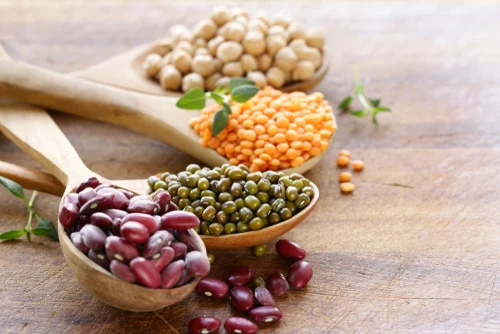
The increasing popularity of backyard chicken keeping has led to a resurgence in traditional animal husbandry practices, particularly the use of kitchen scraps as a supplement to commercial poultry feed. However, agricultural experts and avian veterinarians are issuing urgent warnings regarding a common pantry staple that poses a significant, often fatal, threat to domestic flocks: raw, dried beans. While beans are a nutrient-dense protein source for humans when properly prepared, in their raw state, they contain high concentrations of phytohaemagglutinin (PHA), a potent toxin that can kill a chicken after the consumption of only a few units.
Phytohaemagglutinin, a type of lectin, serves as a natural insecticide and defense mechanism for the bean plant, protecting the seeds from being consumed by pests and fungi. While this chemical compound is present in various legumes, it is found in its highest and most dangerous concentrations in raw red kidney beans. For poultry, whose digestive systems are highly sensitive to chemical imbalances, the ingestion of these toxins triggers a rapid and often irreversible physiological decline.
The Biochemical Mechanism of Phytohaemagglutinin Toxicity
To understand the severity of the risk, it is necessary to examine the biochemical impact of lectins on the avian body. Phytohaemagglutinin is a hemagglutinin, meaning it has the specific ability to cause red blood cells to clump together, or agglutinate. When a chicken ingests raw dried beans, the PHA molecules bind to the carbohydrate portions of the epithelial cells lining the digestive tract.

This binding process interferes with the absorption of nutrients and disrupts the cellular integrity of the intestines. In humans, this typically results in severe food poisoning. In chickens, however, the relatively small body mass and high metabolic rate of the bird mean that the toxin reaches critical levels almost instantaneously. Once the intestinal lining is compromised, the toxin can facilitate the entry of bacteria into the bloodstream, leading to systemic failure.
Chronology of Ingestion and Symptomatic Progression
The timeline of PHA poisoning in poultry is alarmingly brief, often leaving flock owners little time to intervene. According to veterinary observations and toxicological reports, the progression of the illness typically follows a predictable and rapid path:
- Ingestion (0–30 Minutes): The chicken consumes the raw dried beans, often mistaking them for pebbles or large grains. Because chickens lack teeth and rely on a gizzard for mechanical digestion, the beans are ground down, releasing the concentrated lectins into the digestive system.
- Early Onset (1–3 Hours): The first signs of distress appear. The bird may become lethargic and lose interest in foraging. Digestive upset begins as the PHA binds to the intestinal walls.
- Acute Phase (3–6 Hours): The chicken may exhibit extreme vomiting (a rare and serious sign in poultry) and severe diarrhea. Dehydration sets in rapidly as the body attempts to flush the toxin.
- Critical Decline (6–12 Hours): The bird may experience neurological symptoms or severe physical weakness, often becoming "hunched" with ruffled feathers.
- Fatality (12–24 Hours): In cases involving high-concentration beans like kidney beans, death can occur within 24 hours. Research indicates that as few as three or four raw kidney beans can contain enough PHA to be lethal to an adult hen.
Comparative Risk Assessment of Various Legumes
Not all legumes carry the same level of risk, but for the safety of the flock, experts recommend a blanket policy of "no raw beans." The concentration of PHA is measured in Hemagglutinating Units (hau). Raw red kidney beans can contain between 20,000 and 70,000 hau. In contrast, fully cooked beans contain only 200 to 400 hau, which is considered a safe level for consumption.
Other beans, such as white kidney beans (cannellini), contain about one-third the toxin level of the red variety, but this is still more than enough to sicken or kill a bird. Broad beans (fava beans) contain different compounds, such as vicine and covicine, which can cause hemolytic anemia in susceptible species. While peas and lentils contain lower levels of lectins, the raw, dried versions remain difficult for chickens to digest and can cause crop impaction or mild toxicity.

Safe Preparation Protocols and Nutritional Benefits
Despite the dangers of the raw form, cooked beans are an excellent source of vegetable protein, fiber, and essential minerals for chickens. To safely incorporate beans into a poultry diet, strict preparation protocols must be followed to neutralize the PHA.
The first step in the safety process is a prolonged soak. Beans should be submerged in water for at least 12 to 24 hours. This process begins to leach some of the toxins, but more importantly, it rehydrates the bean to ensure even heat distribution during cooking. After soaking, the water must be discarded entirely, as it contains leached toxins and should never be used for cooking or as drinking water for animals.
The most critical step is the boiling process. Scientific data from the U.S. Food and Drug Administration (FDA) indicates that beans must be boiled at 212°F (100°C) for a minimum of 10 minutes to completely deactivate the PHA. It is important to note that using a slow cooker or "crock-pot" can actually be more dangerous than not cooking the beans at all. Many slow cookers do not reach the boiling point quickly enough, and internal temperatures of 175°F (80°C) can actually increase the toxicity of PHA by as much as five times, making the beans even more lethal.
Once the beans have been boiled and then simmered until soft, they must be cooled completely before being offered to the flock. When prepared this way, beans can contribute to egg production and muscle development.

The Role of Sprouting in Toxin Reduction
There is significant debate within the poultry-keeping community regarding the safety of sprouted beans. Sprouting, or germination, does reduce the levels of certain anti-nutrients and can decrease the PHA content in some varieties, such as mung beans or chickpeas. However, for high-lectin varieties like kidney beans and soy beans, sprouting is insufficient to guarantee safety.
Agricultural extension offices generally advise against sprouting any large bean for poultry feed unless it is followed by a cooking process. For owners looking to provide "living food" or fresh greens, safer alternatives include sprouting wheat berries, barley, or sunflower seeds, which do not carry the risk of PHA poisoning.
Safe Alternatives: Canned and Fresh Legumes
For poultry owners who wish to provide the nutritional benefits of beans without the rigorous preparation required for dried varieties, canned beans and fresh garden legumes offer a safer alternative.
Canned beans are pre-cooked under high pressure and temperature, which effectively neutralizes all lectins. However, they are often packed in a brine that is excessively high in sodium. Excess salt can lead to electrolyte imbalances and kidney failure in chickens. Therefore, canned beans must be thoroughly rinsed in a colander under cold running water before being served.

Fresh legumes from the garden, such as green beans, snap peas, and Lima beans, are generally considered safe in their raw, succulent state. In these forms, the seeds are immature, and the concentration of PHA has not yet reached the dangerous levels found in the mature, dried seed.
Expert Insights and Industry Responses
Lisa Steele, a well-known expert in backyard poultry and founder of Fresh Eggs Daily, has long advocated for natural poultry keeping but emphasizes that "natural" does not always mean "safe." Steele notes that because chickens are opportunistic omnivores, they will often eat things that are harmful to them if they are hungry or curious. This places the burden of safety entirely on the keeper.
Veterinary toxicologists point out that the rise in raw bean poisoning often correlates with the "zero-waste" movement, where households attempt to divert all food scraps to their livestock. While the intent is environmentally friendly, the lack of awareness regarding avian-specific toxins can lead to tragedy. Experts suggest that any kitchen scraps intended for the coop should be vetted against a "safe list" before being discarded in the run.
Broader Implications for Flock Management
The risk of PHA poisoning highlights a broader need for education in the backyard poultry sector. As more families move toward self-sufficiency, the gap between traditional agricultural knowledge and modern pet-style chicken keeping has widened.

The economic implications of losing a productive laying hen are significant, especially when considering the time and resources invested in raising a bird from a chick to point-of-lay. Furthermore, the emotional toll on hobbyists who view their chickens as pets can be substantial. Ensuring that the flock is protected from common household toxins like raw beans, chocolate, caffeine, and avocado skins is a fundamental aspect of responsible animal welfare.
Summary of Safety Guidelines for Poultry Owners
To prevent accidental poisoning and ensure the health of the flock, poultry keepers should adhere to the following evidence-based guidelines:
- Zero Tolerance for Raw Dried Beans: Never allow chickens access to uncooked, dried beans of any variety. This includes beans used in sensory bins for children or beans dropped in the kitchen.
- Boil Thoroughly: If preparing dried beans for poultry, they must be soaked for 12+ hours, rinsed, and boiled at 212°F for at least 10 minutes.
- Avoid Slow Cookers: Do not use low-temperature cooking methods for beans intended for animal or human consumption.
- Rinse Canned Goods: If using canned beans, rinse away all salty residue to protect the birds’ kidneys.
- Monitor Scraps: Educate all family members and neighbors about the dangers of raw beans to ensure no toxic scraps are tossed over the fence.
By maintaining a rigorous standard for food safety and understanding the underlying biochemistry of avian nutrition, backyard chicken keepers can provide their flocks with a diverse, healthy diet while avoiding the hidden lethalities found in the common pantry bean.
