

September is a month of profound transition, marking a significant shift in both the natural world and human routines. As the vibrant energy of summer recedes, a palpable sense of change permeates the air. Family vacations conclude, the roar of baseball crowds gives way to the anticipation of football season, and the rhythm of daily life for many becomes intrinsically linked to the demands and schedules of educational institutions and their associated activities. Outside, the oppressive heat of summer surrenders to the crisp, invigorating breezes of autumn. This meteorological shift is mirrored in the botanical world, as blooming flowers gracefully transition into the production of seeds and the ripening of berries, signaling the end of one life cycle and the promise of another. Our forests and woodlands, cloaked in verdant green at the dawn of September, are poised to embark on a brief yet spectacular display of autumnal colors, a breathtaking visual testament to nature’s cyclical transformation.
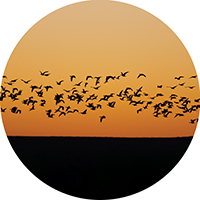
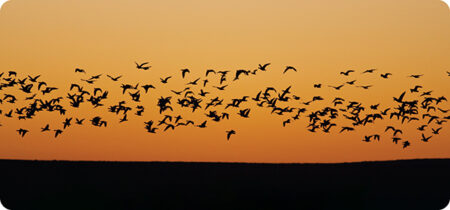
Within this broader panorama of seasonal change, avian populations are also undergoing their own critical transitions, driven by innate biological imperatives and environmental cues. For the majority of bird species, the demanding responsibilities of parental care have receded into memory. The diminishing hours of daylight serve as a powerful biological signal, instigating restless stirrings and preparing them for the arduous journeys to their warmer wintering grounds. For some species, this period is also characterized by the biological necessity of molting – the shedding of old, worn feathers and the subsequent growth of a fresh set of plumage. This process is not merely aesthetic; these robust new feathers are absolutely crucial for ensuring efficient flight, enabling birds to navigate vast distances, and for enhancing their ability to maintain vital body warmth and repel moisture in fluctuating weather conditions.
The Biological Imperative of Molting and Migration
The fundamental truth underpinning these seasonal shifts is that transitions inherently involve change, and these changes can indeed be challenging, even arduous, for the birds themselves. The process of molting, for instance, demands an immense biological investment. Growing an entirely new coat of feathers, covering their entire bodies, is an energetically intensive undertaking. This complex biological process typically spans a period of four to eight weeks, during which the bird’s requirement for protein, the primary structural component of feathers, escalates dramatically. Concurrently, their bodies must generate sufficient energy reserves to fuel this entire metabolic undertaking.
Migration presents an equally, if not more, demanding biological challenge. Consider the extraordinary physiological feat required for many migratory birds: within a span of just a few weeks, they must effectively double their body weight. This remarkable feat is achieved through a relentless, all-consuming drive to gorge themselves on available food sources, meticulously accumulating extra body fat. This stored fat serves as the essential fuel to sustain the prolonged, often perilous, hours of sustained flight required for their long-distance migrations.
The stakes for obtaining adequate nutrition during these critical periods of molting and migration are exceptionally high. For these birds, there is little margin for error when it comes to securing the precise nutritional balance necessary for survival and successful transit. Failure to meet these dietary demands can have dire consequences, rendering them vulnerable to environmental threats and jeopardizing their ability to complete their migratory journeys. Consequently, the immediate and absolute priority for avian species at this time of year is the consumption of foods that are exceptionally rich in both fats and proteins.
An Opportunity for Backyard Bird Enthusiasts
This critical period of heightened nutritional need among wild bird populations presents a unique and valuable opportunity for human observers and conservationists. It is an occasion to extend a helping hand to these remarkable creatures, while simultaneously enhancing one’s own personal connection with the natural world. By providing readily accessible and nutritionally appropriate food sources at backyard feeders, individuals can directly contribute to the well-being of local bird populations and witness the fascinating transitions of the season unfold firsthand.
The most effective way to support birds during these demanding transitional phases is by offering foods that precisely align with their heightened dietary requirements – namely, those that are exceptionally high in fats and proteins. This strategic offering can significantly aid birds in their preparations for winter or their long migratory flights.
Recommended Nutritional Offerings for Backyard Birds
To effectively cater to the nutritional needs of birds during September and the subsequent autumn months, several high-quality food options are particularly beneficial. These include specialized seed blends formulated with high-energy ingredients, whole peanuts, and specific seed types known for their rich fat content.
WBU Plus Blends: These expertly formulated seed mixes from Wild Birds Unlimited are designed to provide a comprehensive nutritional profile, often incorporating a variety of seeds, nuts, and dried fruits that are highly palatable and energy-dense. Their composition takes into account the specific dietary needs of various bird species, making them an excellent all-around choice.
Peanuts: Both in-shell and shelled peanuts are an excellent source of protein and fat, making them a favorite among many backyard birds, including jays, woodpeckers, chickadees, and titmice. The effort required to extract peanuts from their shells can also provide mental stimulation for some species.

Nyjer® Seed: While often associated with finches, Nyjer® seed, also known as thistle seed, is a small, oil-rich seed that provides a good source of energy. Its fine texture makes it ideal for specialized feeders designed to dispense small seeds, attracting a variety of smaller bird species.
Sunflower Chips: Sunflower chips, which are sunflower seeds with their shells removed, offer a concentrated source of fat and protein. This makes them an easily digestible and highly desirable food source for a wide array of birds, as they do not have to expend energy cracking shells.
Suet: Suet, rendered animal fat, is an exceptionally high-energy food, particularly crucial during colder months or periods of intense physical activity like molting and migration. Available in various formulations, often mixed with seeds, nuts, or insects, suet cakes provide a dense caloric boost that birds readily seek out.
Bark Butter® Products: Developed by Wild Birds Unlimited, Bark Butter® is a unique blend of high-energy ingredients, including peanut butter and cornmeal, formulated to attract a wide variety of birds. It can be smeared onto tree trunks or offered in specialized feeders, providing a valuable source of protein and fat.
By strategically placing these high-fat, high-protein food sources in backyard feeders, individuals can play a direct role in supporting the health and survival of local avian populations. The reward for this thoughtful provision is not only the satisfaction of contributing to conservation efforts but also the privilege of observing a more diverse and active bird population gracing their gardens. The repeated visits of grateful birds serve as a tangible acknowledgment of this thoughtful ecological intervention, allowing observers to intimately experience the unfolding drama of the seasonal transitions from the comfort of their own backyards.
Further Enrichment Through Educational Resources
For those seeking a deeper understanding of these fascinating avian transitions, Wild Birds Unlimited offers a wealth of educational resources. The WBU Nature Centered Podcast is a particularly valuable platform for learning about the intricacies of bird behavior and backyard ecology. Specifically, the episode titled "Basics of Transition" delves into the science and practical applications of supporting birds through seasonal changes. In this engaging and informative episode, podcast hosts John and Brian, recognized experts in the field of backyard birding, share insights and practical advice on how to attract a wider array of bird species to one’s backyard, thereby maximizing the joy and educational value of backyard birdwatching throughout the autumn months and beyond. These expert discussions provide a deeper context for the biological imperatives driving avian behavior and offer actionable strategies for creating more hospitable backyard environments.
The Wider Implications of Seasonal Support
The act of providing supplemental nutrition to birds during critical transition periods like molting and migration extends beyond simple backyard bird feeding; it represents a tangible contribution to avian conservation. In an increasingly urbanized and fragmented landscape, natural food sources can become scarcer or less predictable. Backyard feeders, when stocked with appropriate, high-energy foods, can act as vital ecological stepping stones, providing essential sustenance that allows birds to successfully navigate these challenging phases of their life cycles.
Data on Migration Success: Studies have indicated that access to supplemental feeding can significantly improve the survival rates of migratory birds, particularly during periods of adverse weather or when natural food sources are depleted. For example, research published in ornithological journals often highlights how fat reserves accumulated through consistent feeding correlate directly with the ability of birds to undertake long-distance flights and withstand environmental stressors. The energy saved by not having to forage as intensely allows birds to dedicate more physiological resources to feather development and migratory muscle function.
Ecological Impact: By supporting bird populations, backyard enthusiasts indirectly contribute to broader ecological health. Birds play crucial roles in ecosystems, including seed dispersal, pollination, and insect population control. A healthier, more robust bird population contributes to a more balanced and resilient natural environment.
Community Engagement and Education: Initiatives like those promoted by Wild Birds Unlimited foster a sense of community and shared responsibility for wildlife. They educate the public about the importance of avian conservation and encourage active participation in environmental stewardship. This can lead to increased awareness of broader ecological issues and inspire further conservation efforts.

Economic Impact: The backyard bird feeding industry itself represents a significant economic sector, supporting businesses and creating jobs. The demand for high-quality bird food, feeders, and related products underscores the public’s engagement with nature and their willingness to invest in conservation and wildlife observation.
In essence, the simple act of refilling a bird feeder with the right kind of food during seasonal transitions is a microcosm of a larger ecological interconnectedness. It highlights how human actions can have a direct and positive impact on wildlife, contributing to the health and continuity of natural processes that are vital to the planet’s biodiversity. The challenges faced by birds during these periods of change are profound, but with thoughtful support from human observers, these transitions can become less perilous and more conducive to the enduring cycle of life.
