
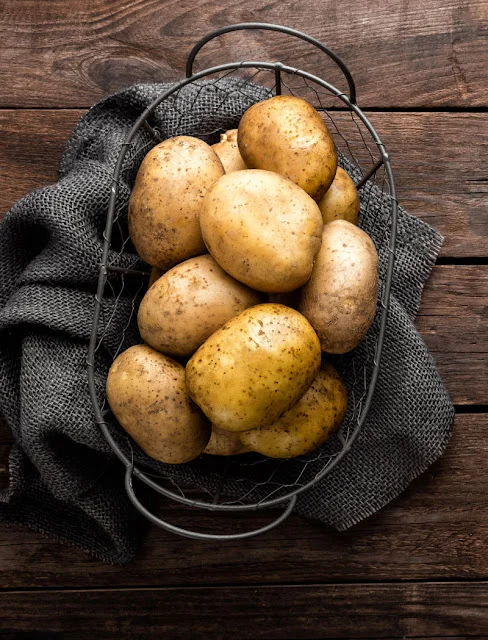
The dietary habits of Gallus gallus domesticus, or the common backyard chicken, have long been a subject of interest for both small-scale hobbyists and large-scale agriculturalists. As omnivores, chickens possess a digestive system capable of processing a wide array of organic materials, ranging from cereal grains and seeds to insects and small vertebrates. However, the introduction of kitchen scraps and garden produce into a flock’s diet requires a nuanced understanding of botanical chemistry. Among the most common yet misunderstood items in the poultry pantry are potatoes. While the term "potato" is used colloquially to describe several starchy tubers, the biological differences between white potatoes, sweet potatoes, and yams dictate whether they serve as a nutritious supplement or a potential neurotoxin.

Botanical Classifications and the Solanine Risk
To understand the safety profile of potatoes for avian consumption, one must first distinguish between the various plant families involved. The common white potato, including red, yellow, and Russet varieties, belongs to the Solanaceae family, more commonly known as the nightshade family. This group also includes tomatoes, peppers, and eggplants. The defining characteristic of the nightshade family is the production of glycoalkaloids, specifically solanine and chaconine.
Solanine serves as a natural pesticide, protecting the plant from herbivores and pathogens. In poultry, solanine acts as a potent neurotoxin and gastrointestinal irritant. The concentration of this toxin is not uniform throughout the plant; it is found in highest densities in the green portions of the tuber, the "eyes" or sprouts, and the aerial parts of the plant, such as the leaves, stems, and flowers. When a potato is exposed to light, it produces chlorophyll, which turns the skin green. While chlorophyll itself is harmless, its presence is a reliable indicator of elevated solanine levels.

The physiological impact of solanine on chickens can be devastating. Because chickens have a relatively small body mass compared to humans, even moderate amounts of the toxin can lead to acute poisoning. Symptoms of solanine toxicity in poultry include lethargy, labored breathing, severe diarrhea, paralysis, and, in extreme cases, cardiac failure. While a single scrap of a ripe, peeled white potato is unlikely to be fatal to a healthy adult hen, the cumulative effect of solanine, which can build up in the system over time, poses a long-term health risk.
The Efficacy of Cooking and Heat Processing
A common misconception among poultry keepers is that the process of cooking neutralizes the toxins found in white potatoes. Scientific analysis of glycoalkaloids reveals a more complex reality. Solanine is a heat-stable compound with a high melting point. Research indicates that boiling potatoes does very little to reduce solanine levels, as the toxin remains within the flesh or leaches only slightly into the water.

To significantly reduce solanine concentrations, the tuber must be subjected to high-heat environments exceeding 400 degrees Fahrenheit (approximately 205 degrees Celsius), such as deep-frying or high-temperature roasting. Even then, the reduction is often insufficient to render a green or sprouted potato safe for avian consumption. Consequently, the consensus among veterinary experts and agricultural scientists is that white potatoes—particularly the skins and raw portions—should be excluded from a chicken’s diet. If a keeper chooses to provide white potatoes as a rare treat, they must be fully ripe, peeled, and thoroughly baked to minimize risk.
Sweet Potatoes: The Nutritional Superfood Exception
In contrast to the risks associated with the Solanaceae family, the sweet potato (Ipomoea batatas) offers an entirely different nutritional profile. Despite the similarity in name, sweet potatoes are members of the Convolvulaceae, or morning glory family. They do not produce solanine, making all parts of the plant—including the flesh, skin, vines, and leaves—safe for chickens to consume in both raw and cooked forms.

Sweet potatoes are increasingly recognized as a "superfood" for poultry due to their dense nutrient content. They are a primary source of beta-carotene, which the chicken’s body converts into Vitamin A. This vitamin is essential for maintaining the health of the respiratory tract and the mucous membranes, and it plays a critical role in the pigmentation of egg yolks, often resulting in the deep orange color prized by consumers.
Furthermore, sweet potatoes provide a significant array of other essential vitamins and minerals:

- Vitamin C: An antioxidant that supports the immune system, particularly during periods of heat stress.
- Vitamin B6: Vital for amino acid metabolism and the development of the nervous system.
- Potassium: An essential electrolyte that aids in heart function and muscle contraction.
- Manganese: Crucial for bone development and eggshell formation.
Because sweet potatoes are lower on the glycemic index than white potatoes, they provide a more sustained release of energy, making them an excellent supplemental food source during the colder months when chickens require more calories to maintain body temperature.
Yams and the Oxalic Acid Consideration
The third category of tubers often confused with potatoes is the true yam, belonging to the genus Dioscorea within the Dioscoreaceae family. True yams are more common in Africa and Asia than in North American supermarkets, where "yam" is often used as a marketing term for orange-fleshed sweet potatoes.

Biologically, true yams are safe for chickens, but they require specific preparation. Raw yams contain various naturally occurring plant proteins that can be toxic if ingested without processing. Therefore, yams must be peeled and thoroughly cooked before being offered to a flock.
However, even when cooked, yams should be fed in moderation due to their oxalic acid content. Oxalic acid is an organic compound that binds with calcium to form oxalates. In the avian digestive tract, this binding process prevents the chicken from absorbing calcium effectively. For laying hens, calcium is the primary component of eggshells. A diet excessively high in oxalic acid can lead to a calcium deficiency, resulting in "rubber eggs" (eggs with soft or nonexistent shells) and potential skeletal issues for the hen as her body leaches calcium from her bones to compensate for the deficiency.

Broader Implications for Poultry Management
The decision to feed potatoes to chickens reflects a broader trend in sustainable agriculture: the reduction of food waste through "circular" feeding. While utilizing kitchen scraps is environmentally friendly and cost-effective, it must be balanced against the nutritional requirements of the birds.
Modern commercial poultry feeds are precision-engineered to provide a specific balance of proteins, fats, vitamins, and minerals. Most experts recommend that "treats" or supplemental foods, including safe tubers like sweet potatoes, should comprise no more than 10% of a chicken’s total daily caloric intake. This roughly equates to one tablespoon of supplemental food per bird per day. Overfeeding treats can lead to obesity, reduced egg production, and fatty liver hemorrhagic syndrome, a common cause of death in backyard flocks.

Furthermore, poultry owners must remain vigilant regarding the presence of mold. Potatoes of any variety that have begun to rot or develop mold should never be fed to chickens. Molds produce mycotoxins, such as aflatoxin, which are highly toxic to birds and can cause acute liver damage or suppressed immune function.
Chronology of Dietary Guidelines in Avian Science
The understanding of potato safety in poultry has evolved over the last century. In the early 20th century, before the widespread availability of commercial feeds, farm chickens were often fed "swill" or kitchen refuse with little regard for chemical composition. However, as the poultry industry moved toward intensive production in the 1940s and 50s, researchers began to document the link between certain forage crops and sudden flock mortality.

By the 1970s, toxicological studies had clearly identified solanine as the culprit in nightshade-related poisonings. This led to a shift in agricultural extension advice, warning farmers against letting chickens range in potato patches where they might consume vines or sun-exposed tubers. Today, with the rise of the "backyard chicken" movement, this information is being rediscovered by a new generation of keepers who prioritize natural and organic feeding methods.
Conclusion: A Risk-Averse Approach to Flock Health
In summary, the question of whether chickens can eat potatoes does not yield a binary answer. The safety of the tuber is entirely dependent on its botanical family and preparation. The common white potato presents a clear chemical risk due to the presence of solanine, a toxin that is not easily neutralized by conventional cooking methods. While the ingestion of a small amount of ripe white potato may not result in immediate death, the risk of cumulative toxicity and the potential for accidental ingestion of green skins make it an unfavorable choice for most keepers.

Conversely, sweet potatoes stand out as a highly beneficial, non-toxic alternative that supports immune health and egg quality. Yams, while safe when cooked, require moderation to avoid interfering with calcium absorption. By adhering to a strict "10% treat rule" and prioritizing the nutritional density of sweet potatoes over the risks of the nightshade family, poultry owners can ensure the longevity and productivity of their flocks while maintaining the benefits of a diverse, omnivorous diet. Objective management of these dietary variables remains a cornerstone of responsible avian husbandry in both domestic and professional settings.
