
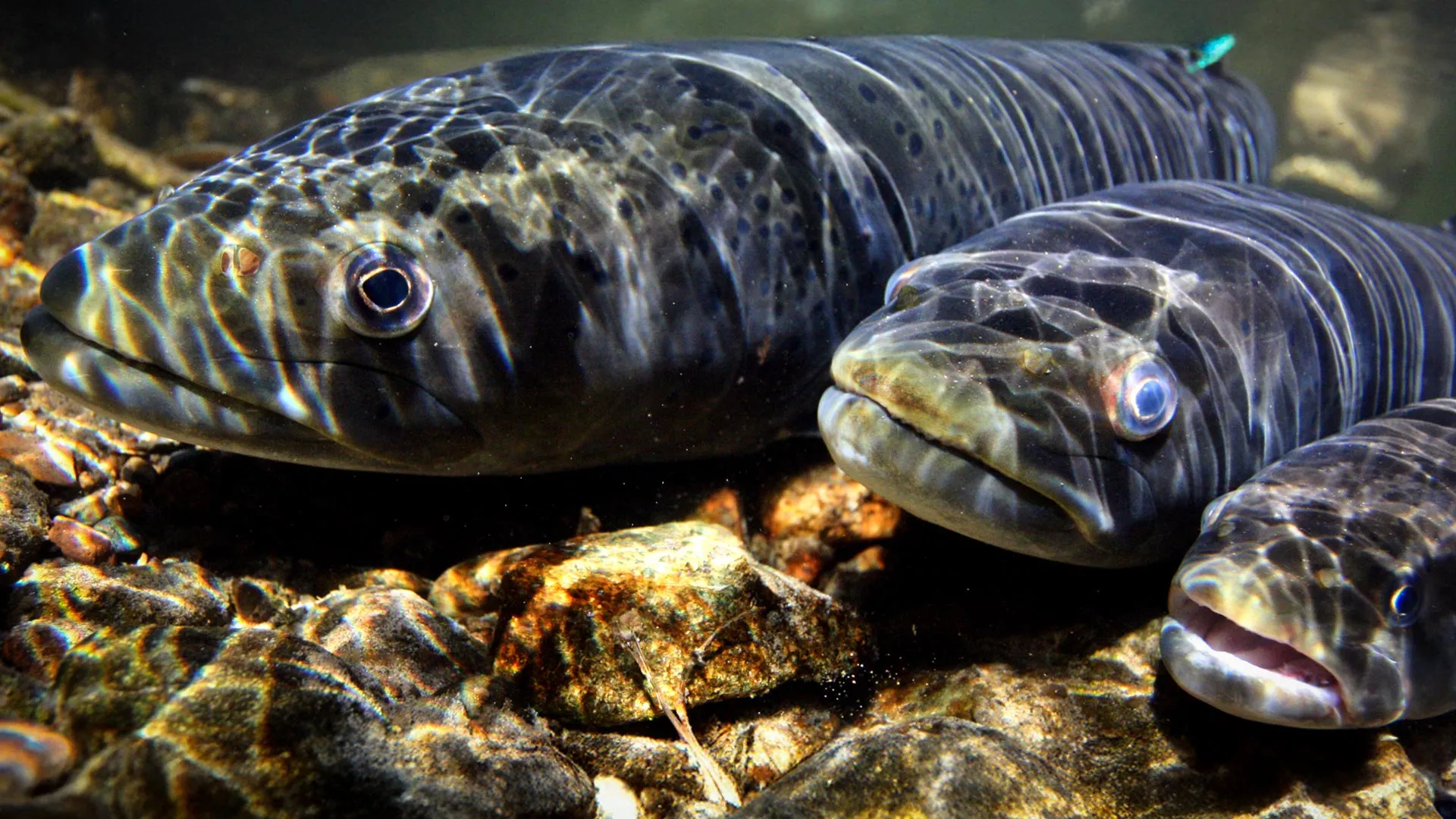
A critical new assessment from the Convention on the Conservation of Migratory Species of Wild Animals (CMS), a United Nations environmental treaty, reveals that some of Earth’s most essential and longest animal migrations, those taking place beneath the surface of rivers, are rapidly collapsing. The findings, presented at the CMS 15th Meeting of the Conference of the Parties (COP15) in Brazil, highlight a largely overlooked biodiversity crisis that threatens not only aquatic ecosystems but also the food security and livelihoods of hundreds of millions globally.
The Global Assessment of Migratory Freshwater Fishes paints a stark picture: migratory freshwater fish are among the most imperiled species worldwide. These often-unseen travelers are indispensable for maintaining the ecological integrity of river systems, sustaining vital inland fisheries, and providing crucial food sources and economic stability for communities across continents. Their decline signifies a profound disruption in the delicate balance of freshwater environments, with ripple effects extending far beyond the water’s edge.
An Unprecedented Decline: The Numbers Speak
The report, drawing on extensive global datasets and nearly 15,000 IUCN assessments of freshwater fish species, provides the most comprehensive overview to date of the conservation challenges confronting migratory freshwater fish. The data is alarming: migratory freshwater fish populations have plummeted by an estimated 81% globally since 1970. This rate of decline is significantly steeper than those observed for terrestrial or marine species, underscoring the severity and urgency of the freshwater biodiversity crisis. Even more starkly, nearly all—a staggering 97%—of the 58 migratory fish species (encompassing both freshwater and saltwater species) currently listed under CMS Appendices are now classified as threatened with extinction.
This precipitous drop indicates a widespread systemic failure to protect these vital species and their habitats. The assessment identifies an additional 325 migratory freshwater fish species as candidates for urgent international conservation efforts, beyond the 24 already listed. This points to a massive, underappreciated threat to biodiversity across shared river systems, demanding a coordinated global response.
The Unseen Migrations: Why They Matter
Unlike the widely recognized migrations of wildebeest across the Serengeti or monarch butterflies traversing continents, the epic journeys of freshwater fish largely occur out of sight, beneath the murky waters of the world’s great rivers. These migrations are incredibly diverse, ranging from salmon navigating upstream to spawn to eels traveling thousands of kilometers to distant seas. These species often undertake arduous journeys spanning thousands of kilometers, connecting disparate habitats such as spawning grounds in headwaters, feeding areas in main river channels, and nursery floodplains. Many of these pathways traverse multiple national borders, making their conservation inherently a matter of international cooperation.
The ecological roles of these fish are multifaceted. They are crucial components of aquatic food webs, acting as both predators and prey, and contribute significantly to nutrient cycling. Their movements facilitate the dispersal of seeds and invertebrate larvae, impacting the broader riparian ecosystem. Economically, migratory freshwater fish underpin major inland fisheries, supporting local economies and providing a primary source of protein for hundreds of millions of people, particularly in developing nations. The estimated US$436 million industry sustained by migratory fish in the Amazon Basin alone underscores their immense economic value. The breakdown of these migrations jeopardizes not only biodiversity but also human well-being, food security, and regional economies.
Threat Multipliers: Drivers of Decline
The report meticulously details the primary anthropogenic pressures driving these alarming declines. These threats often act synergistically, exacerbating the impact on vulnerable fish populations:
- Dam Construction and Habitat Fragmentation: Perhaps the most significant threat, dams block migratory routes, fragmenting once-connected river systems. They alter natural flow regimes, water temperatures, and sediment transport, fundamentally changing the habitats fish depend on. Even small, seemingly innocuous barriers can have cumulative devastating effects.
- Pollution: Industrial discharge, agricultural runoff laden with pesticides and fertilizers, untreated sewage, and plastic waste degrade water quality, making vast stretches of rivers uninhabitable or toxic for sensitive species.
- Overfishing: Unsustainable fishing practices, often driven by increasing demand and inadequate regulation, deplete fish stocks faster than they can reproduce, particularly targeting larger, migratory species.
- Climate-Related Ecosystem Changes: Rising water temperatures, altered precipitation patterns leading to more frequent floods or droughts, and changes in oxygen levels disrupt spawning cues, reduce habitat availability, and stress fish physiology, making them more susceptible to disease and other pressures.
- Unsustainable Water Extraction: Diversion of water for agriculture, industry, and urban consumption reduces river flows, shrinks habitats, and can leave migratory pathways impassable, especially during critical life stages.
Global Hotspots: Priority River Systems Identified
The assessment pinpoints several key river systems that are particularly vital for migratory freshwater fish and are in urgent need of conservation attention. These include:
- South America’s Amazon and La Plata-Paraná: Home to some of the longest freshwater migrations on Earth, these basins are biodiversity hotspots under increasing development pressure.
- Europe’s Danube: A transboundary river system facing challenges from hydropower, navigation, and pollution.
- Asia’s Mekong: A lifeline for millions, threatened by extensive dam building and overfishing.
- Africa’s Nile: Crucial for numerous species, impacted by large-scale water management projects.
- The Indian Subcontinent’s Ganges-Brahmaputra: Highly biodiverse but heavily populated and polluted.
These regions represent a mosaic of shared ecological heritage, where conservation success hinges on cooperation among multiple nations.
The CMS Framework: A Call for International Cooperation
The Convention on the Conservation of Migratory Species of Wild Animals (CMS), established in 1979 under the aegis of the United Nations Environment Programme (UNEP), serves as a global platform for the conservation and sustainable use of migratory animals and their habitats. CMS aims to conserve terrestrial, marine, and avian migratory species throughout their range. The Convention’s Appendices I and II are crucial tools: Appendix I lists migratory species that are endangered and require strict protection, while Appendix II lists species that have an unfavorable conservation status and require international cooperative agreements for their conservation and management. The identification of 325 additional species as candidates for these appendices underscores the scale of the challenge and the need for immediate, coordinated action.
The fact that some species occur on multiple continents, leading to a total exceeding 325 when regional breakdowns are summed, further highlights the transboundary nature of this crisis and the imperative for cross-national agreements.
Brazil Takes the Lead: Amazonian Initiatives at COP15
As the host nation for COP15, Brazil has leveraged the platform to propose several ambitious conservation measures, particularly focusing on South America’s immense river systems, the Amazon and La Plata-Paraná. The Amazon Basin, in particular, remains one of the last major strongholds for migratory freshwater fish populations, despite mounting pressures from deforestation, mining, and infrastructure development.
A case study released in conjunction with the global assessment identifies 20 migratory fish species in the Amazon that meet the criteria for potential CMS Appendix II listing. These long-distance migratory species are not just ecological marvels; they are the backbone of regional fisheries, accounting for approximately 93% of total landings and supporting an industry valued at an estimated US$436 million annually.
Among these incredible travelers is the dorado (gilded) catfish ( Brachyplatystoma rousseauxii), a bottom-dwelling species known for its metallic gold/silver coloring and impressive size, growing up to 2 meters (6.5 ft) in length. This species holds the record for the longest known freshwater migration of any fish, completing an astonishing 11,000-kilometer journey from its Andean headwaters to coastal nursery areas in the Amazon estuary. Its life cycle encapsulates the very essence of the migratory challenge: an unbroken river pathway spanning thousands of kilometers, vulnerable to disruption at every turn.
To bolster conservation efforts for these iconic species, Brazil and its regional partners are proposing a Multi-species Action Plan for Amazonian Migratory Catfish (2026-2036). This plan, developed through extensive regional cooperation, aims to create a cohesive framework for protecting these species across their vast migratory ranges. Furthermore, Brazil has proposed adding the spotted sorubim catfish (Pseudoplatystoma corruscans) to CMS Appendix II, emphasizing the urgent need for coordinated action within the La Plata Basin, where these fish face significant threats from dam construction, altered water flows, and intense fishing pressure. These initiatives represent some of the most ambitious international efforts to safeguard migratory freshwater fish, reinforcing the core principle of CMS: that effective conservation solutions must encompass the full geographic range of migratory species and depend on robust cooperation between countries.
Voices of Concern: Experts Call for Coordinated Global Action
The findings have elicited strong calls for action from leading experts and conservationists:
Dr. Zeb Hogan, the lead author of the assessment, articulated the profound nature of the problem: "Many of the world’s great wildlife migrations take place underwater. This assessment shows that migratory freshwater fish are in serious trouble, and that protecting them will require countries to work together to keep rivers connected, productive, and full of life." His statement underscores the necessity of a holistic, ecosystem-based approach that transcends national boundaries.
Amy Fraenkel, CMS Executive Secretary, highlighted the historic oversight: "This new assessment highlights a major priority for the conservation of migratory species and their habitats, that has not had adequate focus to date. By aligning science, policy and international cooperation, governments can safeguard the world’s remaining great freshwater fish migrations and the communities and ecosystems that depend on them." Her emphasis on aligning science, policy, and cooperation points to a practical pathway forward.
Michele Thieme, Vice President and Deputy Lead of Freshwater at the World Wildlife Fund-US, stressed the interconnectedness of river systems: "Rivers don’t recognize borders — and neither do the fish that depend on them. The crisis unfolding beneath our waterways is far more severe than most people realize, and we are running out of time. Rivers need to be managed as connected systems, with coordination across borders, and investments in basin-wide solutions now before these migrations are lost forever." Her powerful statement serves as a stark warning against complacency and a rallying cry for immediate, integrated action.
Path Forward: Immediate and Long-Term Solutions
The report outlines several practical steps governments can take to reverse these devastating trends. While specific measures were not detailed, they generally fall into categories aimed at addressing the identified threats:
- Restoring River Connectivity: This includes strategically removing obsolete dams, implementing fish passages (like ladders or elevators) at essential barriers, and designing new infrastructure to minimize impact on migratory routes.
- Combating Pollution: Strengthening regulations on industrial and agricultural discharges, investing in advanced wastewater treatment, and promoting sustainable land management practices are critical to improving water quality.
- Implementing Sustainable Fisheries Management: Adopting science-based quotas, regulating fishing gear, establishing protected areas, and empowering local communities in co-management efforts can help rebuild fish stocks.
- Mitigating Climate Change Impacts: Integrating climate resilience into water management plans, protecting riparian vegetation, and restoring floodplains can help buffer against climate-induced stressors.
- Establishing Transboundary Protected Areas and Agreements: Formalizing international cooperation through shared management plans, research initiatives, and enforcement efforts across river basins is paramount.
Broader Implications: Ecosystems and Livelihoods at Stake
The collapse of migratory freshwater fish populations is not merely an ecological tragedy; it carries profound implications for human societies. The loss of these species directly threatens the food security of millions, particularly in regions heavily reliant on inland fisheries for protein. It undermines the economic stability of fishing communities and associated industries. Furthermore, the degradation of river ecosystems impacts water quality and availability for human consumption, agriculture, and other uses. The intricate web of life within and around rivers is unraveling, signaling a wider environmental crisis that demands urgent and sustained global attention.
The report serves as a stark reminder that what happens beneath the surface has far-reaching consequences. It underscores the urgency of shifting from fragmented, nationalistic approaches to holistic, transboundary river basin management. The future of these vital migrations, and the health of our planet’s freshwater systems, hinges on immediate and concerted international action. The time to act is now, before these extraordinary journeys are lost forever.
