

The FIFA World Cup, a quadrennial tournament that captivates billions worldwide, is more than just a showcase for the pinnacle of men’s international football. It is also a vibrant testament to the rich biodiversity found in many of the participating nations, offering a unique opportunity to explore the fascinating world of avian life, particularly the diverse parrot species that call these countries home. As fans rally behind their national teams, bird enthusiasts and ornithologists have an equally compelling reason to pay attention, drawing parallels between the global sporting event and the extraordinary feathered inhabitants of these footballing nations.
A Global Stage for Avian Wonders
The confluence of the FIFA World Cup and avian biodiversity highlights how major international events can serve as unexpected platforms for raising awareness about wildlife conservation. This article delves into the remarkable parrot populations found in countries that have recently hosted or are set to host the prestigious tournament, revealing a fascinating intersection of sports passion and natural heritage.
Brazil: A Parrot Powerhouse of Unrivaled Magnitude
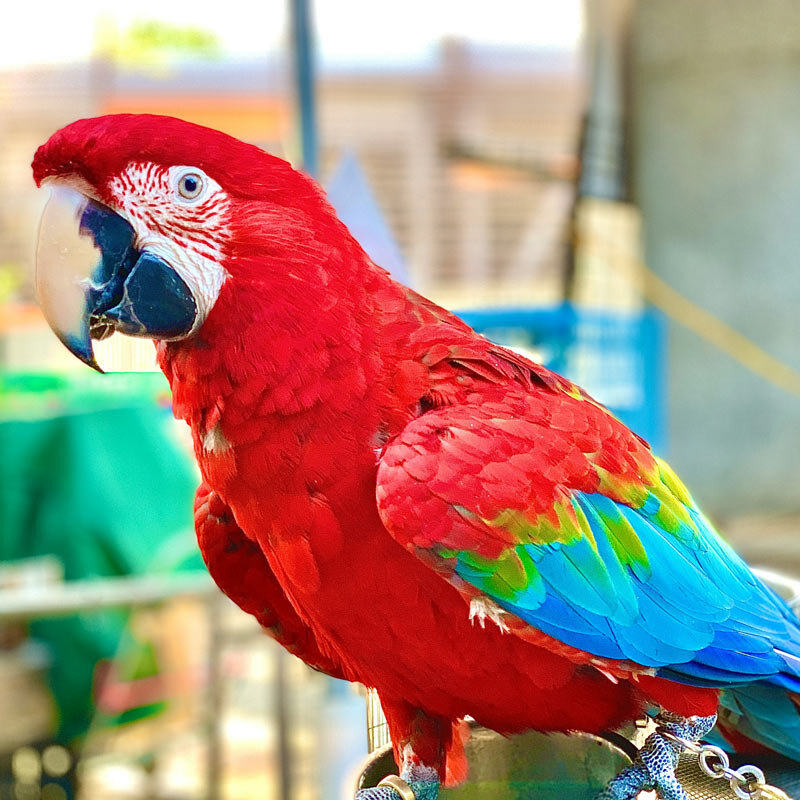
Brazil, a nation synonymous with footballing excellence, also stands as a veritable powerhouse in the avian world, particularly when it comes to parrots. If a global avian championship were to be held, Brazil would undoubtedly be a leading contender. The South American giant is home to an astonishing array of over 80 parrot species, a number that dwarfs many other nations. This rich diversity includes iconic and majestic birds such as the Hyacinth macaw, the largest of all parrot species, and other magnificent macaws like the striking blue-and-gold macaw and the vibrant green-winged macaw. The parrot family in Brazil extends to include various mini-macaws, the widely recognized Amazon parrots, numerous conure species, and many others, painting a vivid picture of avian abundance.
The deep connection between Brazil’s identity and its parrot population is so profound that a green-winged macaw is prominently featured on the reverse side of the Brazilian 10-real banknote. This honor makes Brazil one of the rare countries globally to feature parrots on its national currency, a clear indication of their cultural significance and national pride. The sheer volume and variety of parrots in Brazil underscore the country’s critical role in global parrot conservation efforts.
Mexico: A Land of Macaws and Amazonian Splendor
Mexico, a nation with a fervent football culture and a recent co-host of the FIFA World Cup, boasts a remarkable tapestry of parrot species, thanks to its diverse array of habitats that range from arid deserts to lush tropical forests. The country is a hotspot for parrots and parakeets, with over 20 native species recorded across its varied landscapes. Among these are several species found nowhere else on Earth, such as the endemic Mexican parrotlet and the striking maroon-fronted conure, highlighting Mexico’s unique contribution to avian endemism.
The skies above Mexico are also graced by the presence of impressive military macaws, known for their intelligence and striking plumage. Furthermore, numerous species of Amazon parrots, including the dazzling double-yellowheaded Amazon and the equally beautiful yellow-naped Amazon, are integral parts of Mexico’s natural heritage. For bird lovers attending World Cup matches in Mexico, the spectacle of wild parrots soaring overhead in many regions adds an unexpected and delightful dimension to the sporting experience, merging the excitement of football with the wonder of nature.
Paraguay: A Small Nation with Immense Parrot Diversity
Often referred to as the "Heart of South America" due to its central geographical position, Paraguay, despite its relatively small size, punches well above its weight in terms of parrot diversity. For avian enthusiasts, Paraguay is a particularly noteworthy destination. A remarkable 24 parrot species have been recorded within its borders, showcasing an impressive range of sizes and colors. This diversity includes the vibrant hues of parakeets and conures, as well as larger parrot species such as macaws and Amazon parrots.

This significant parrot diversity makes Paraguay a crucial stronghold for numerous South American parrot species, contributing significantly to their overall population health and genetic diversity. The country’s commitment to conservation and its rich avian populations make it a fascinating destination for birdwatchers and conservationists alike, offering a glimpse into a vibrant and vital ecosystem.
Australia: The Continental Epicenter of Cockatoos and Cockatiels
While Australia might be globally recognized for its unique marsupials like kangaroos, it is also a world leader in parrot diversity. The continent is an undisputed global hub for parrot species, particularly its iconic cockatoos and the beloved cockatiel. Visitors and locals alike can witness the impressive Sulphur-crested Cockatoos, the rosy-hued Galah cockatoos, the charming cockatiels, the ubiquitous budgies, the strikingly colored Eclectus parrots, and the dazzling rainbow lorikeets, among many other parrot species that inhabit the diverse Australian landscapes.
Many of the parrot species that have captured the hearts of pet bird enthusiasts worldwide originate from Australia. This deep connection to popular pet birds, combined with its exceptional native parrot populations, makes Australia a country of dual fascination for both soccer aficionados and dedicated bird lovers, offering a unique blend of sporting excitement and natural wonder.

New Zealand: Home to the Ingenious Kea and Other Unique Parrots
New Zealand’s avian inhabitants offer a unique avian narrative, with its parrots standing apart from those found elsewhere. The country is the exclusive home of the mountain-dwelling Kea, a species renowned for its exceptional intelligence, insatiable curiosity, and a mischievous tendency to investigate anything left unattended. This curious nature has led to the Kea being famously dubbed the "world’s smartest parrot."
Beyond the Kea, New Zealand is also the sanctuary for the Kākā and the critically endangered Kākāpō. The Kākā is a forest-dwelling parrot, while the Kākāpō is a large, nocturnal, flightless parrot, unique in its evolutionary path. The presence of these distinct and rare parrot species underscores New Zealand’s remarkable avian endemism and its vital role in protecting some of the world’s most unique bird populations.
Argentina: A Nation of Cliff-Nesting Parrots and Football Prowess
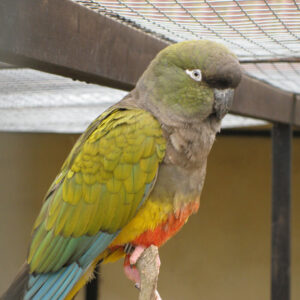
Argentina, a nation celebrated for its legendary footballing achievements and passionate fan base, also boasts an impressive avian heritage, particularly concerning its parrot populations. While the world knows Argentina for its World Cup triumphs, bird enthusiasts recognize it as the homeland of the monk parakeet, also known as the Quaker parrot, and the striking Patagonian conure. The Patagonian conure, sometimes referred to as the burrowing parrot, is particularly remarkable for its nesting habits. These parrots construct massive communal nests on cliff faces across Patagonia, including what is recognized as the world’s largest parrot breeding colony.

Argentina’s parrot species exhibit a diversity that mirrors the nation’s profound passion for football, showcasing a rich natural tapestry that complements its sporting prowess. The conservation of these cliff-nesting parrots is a significant undertaking, highlighting the country’s commitment to preserving its natural heritage alongside its celebrated sporting culture.
Colombia: A Symphony of Macaws and Avian Treasures
For visitors to Colombia, especially during the FIFA World Cup, the country’s parrots serve as a vibrant reminder that its natural treasures are as captivating as its celebrated football talent. Colombia’s skies are a canvas for spectacular parrots, including the brilliant scarlet macaw, the iconic blue-and-gold macaw, and the formidable military macaw. Adding to this avian richness is the rare Indigo-winged parrot, a species once believed extinct before its rediscovery in the Colombian Andes, a testament to the resilience of nature and the importance of ongoing conservation efforts.
The country’s diverse habitats also provide a thriving environment for various Amazon parrots, numerous conure species, parakeets, and Pionus parrots, collectively contributing to Colombia’s status as a biodiversity hotspot. The presence of such a wide array of parrot species enhances Colombia’s appeal to both sports fans and nature enthusiasts, offering a dual experience of cultural and ecological richness.
Democratic Republic of the Congo: The Revered Land of the Grey Parrot
The Democratic Republic of the Congo holds a special place in the hearts of bird enthusiasts worldwide, primarily as the ancestral home of the African Grey parrot. This species is globally acclaimed for its extraordinary intelligence, remarkable cognitive abilities, and its celebrated capacity for vocal mimicry, making it one of the most intelligent and sought-after parrot species.
Beyond the iconic Grey parrot, the Democratic Republic of the Congo’s vast forests are a sanctuary for other remarkable parrot species. These include the vibrantly colored Red-fronted parrot, the aptly named Meyer’s parrot, and several species of lovebirds, which are known for their strong pair bonds. As a significant portion of the Congo Basin, the Democratic Republic of the Congo plays a crucial role in providing essential habitat for these iconic African parrots. For football-loving ornithologists, the nation’s participation in the World Cup presents an opportunity to celebrate both its athletic prowess and the extraordinary avian life that enriches its natural landscapes.
United States: Urban Parrot Flyovers and Established Feral Populations
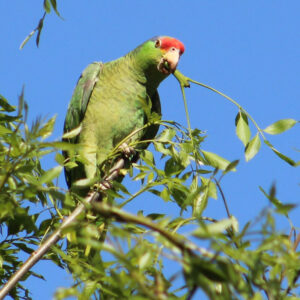
Visitors to the United States for the FIFA World Cup may experience a surprising spectacle: parrots flying overhead in several host cities. This phenomenon is a direct result of decades of escaped and intentionally released pet birds establishing thriving wild populations in urban environments. Cities in California, Texas, and Florida, in particular, have become havens for these non-native avian populations. Species commonly observed include Monk parakeets (also known as Quaker parrots), Red-crowned Amazons, Nanday conures, and Mitred conures, which can often be heard and seen in parks and residential areas.

While these parrots are not indigenous to the United States, their successful adaptation and proliferation have made them a familiar and cherished part of the urban soundscape. For international visitors, these unexpected encounters with tropical birds offer a unique and memorable glimpse into the adaptability of wildlife and the unintended consequences of the pet trade, adding an unusual yet delightful layer to their World Cup experience.
Canada: Unexpected Avian Encounters North of the Border
Canada, a co-host of the FIFA World Cup 2026 alongside the United States and Mexico, also presents the intriguing possibility of encountering urban parrot populations. Building on the trend observed in the United States, Canada has also seen the establishment of small feral parrot flocks. Monk parrots, or Quaker parakeets, are notably recorded as having been observed breeding in Montreal for the first time in 1987.
The presence of these resilient species, even in more temperate climates, demonstrates the remarkable adaptability of certain parrot species. This raises the exciting prospect for World Cup attendees in Canada to potentially witness these charismatic birds, adding another layer of natural wonder to the global sporting event.

Broader Implications and Future Outlook
The intersection of the FIFA World Cup and avian biodiversity offers a compelling narrative for conservation. Major international events can inadvertently draw attention to the natural heritage of host nations, prompting greater public interest and potentially increased support for conservation initiatives. The detailed documentation of parrot species in these countries, often linked to specific regions that also host football matches, provides valuable data for ornithologists and conservationists.
The analysis of these parrot populations, their distribution, and the challenges they face, such as habitat loss and the illegal pet trade, can be amplified by the global spotlight cast by the World Cup. Furthermore, the presence of established feral parrot populations in urban areas, while a result of human activity, highlights the resilience and adaptability of these species, while also raising questions about ecological impact and management strategies.
As the FIFA World Cup continues to evolve as a global phenomenon, its capacity to serve as an inadvertent ambassador for wildlife conservation is becoming increasingly apparent. By connecting the thrill of the game with the wonder of the natural world, these events can inspire a deeper appreciation for the planet’s biodiversity and underscore the urgent need for its protection, ensuring that the roar of the crowd is matched by the vibrant calls of the wild.
