
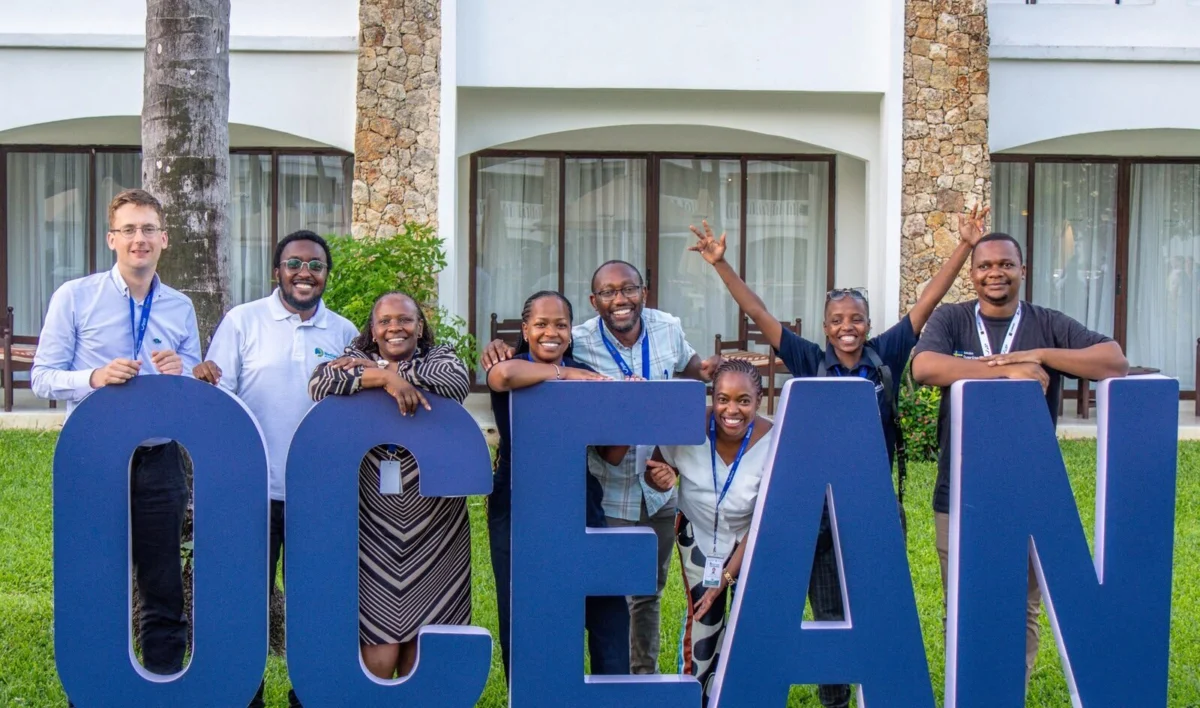
The coastal city of Mombasa, Kenya, served as the epicenter of global marine conservation diplomacy as it hosted the 11th Our Ocean Conference (OOC-11). Under the overarching theme "Our Ocean, Our Heritage, Our Future," international delegates, government officials, scientific researchers, indigenous community leaders, and private sector investors gathered to forge binding commitments and strategic partnerships for marine protection. Among the prominent participants were regional teams from East Africa alongside representatives from the Global Office of Wetlands International, who leveraged the high-level platform to champion the indispensable role of coastal wetlands in mitigating climate change, preserving biodiversity, and sustaining local livelihoods.
The multi-day summit brought together thousands of stakeholders committed to reversing the degradation of marine and coastal ecosystems. As discussions unfolded across high-level plenaries, technical working groups, and interactive pavilions, the focus increasingly zeroed in on the intersection between blue carbon ecosystems—such as mangroves, seagrass meadows, and salt marshes—and global climate resilience frameworks. For the East African delegation, the conference offered a vital stage to spotlight localized community-led conservation models that have successfully harmonized human needs with ecological preservation along the western Indian Ocean seaboard.
Main Facts of the Summit and Core Advocacy
The 11th Our Ocean Conference marked a historic milestone as it convened for the first time in East Africa, drawing global attention to the unique vulnerabilities and immense ecological wealth of the African coastline. The event functioned as a dynamic marketplace for commitments, where state and non-state actors announced financial pledges, policy reforms, and collaborative frameworks designed to safeguard marine environments.
Throughout the conference agenda, the wetland conservation delegation actively engaged participants through a series of targeted panel discussions, strategic networking sessions, and grassroots stakeholder meetings. Their core messaging centered on the premise that healthy coastal wetlands represent a triple-win solution: they act as formidable carbon sinks that sequester atmospheric carbon at rates up to ten times higher than tropical rainforests, serve as natural buffers against extreme weather events and rising sea levels, and provide critical nursery grounds for fisheries that sustain millions of coastal inhabitants.
By centering community voices, the delegation underscored that effective marine governance cannot be achieved through top-down mandates alone. Instead, they demonstrated how empowering local communities with resource management rights yields superior long-term ecological outcomes while safeguarding cultural heritage. The discourse highlighted ongoing initiatives in the Western Indian Ocean region, where local stewardship has begun reversing decades of mangrove depletion and overfishing.
Background and Context of the Our Ocean Conference Initiative
The Our Ocean Conference series was originally launched in 2014 by the United States Department of State under then-Secretary of State John Kerry, designed specifically to galvanize urgent, high-level action to address marine conservation challenges. Over the past decade, the conference has evolved from a diplomatic dialogue into a premier global forum that transcends traditional geopolitical divides, mobilizing billions of dollars in financial commitments and millions of square kilometers of newly designated Marine Protected Areas (MPAs).
Previous iterations of the conference have been hosted across diverse geographies, spanning North America, Europe, Latin America, and Asia, with each host nation bringing regional priorities to the forefront. The decision to award the hosting rights of OOC-11 to Kenya underscored the growing recognition of Africa’s geopolitical and ecological significance in global marine governance. The Western Indian Ocean basin is home to some of the planet’s most biodiverse coral reefs, extensive mangrove forests, and vital migratory corridors for marine mammals, yet it faces severe pressures from overexploitation, pollution, and climate change-induced ocean warming.
Hosting the conference in Mombasa provided an invaluable lens through which international decision-makers could witness firsthand the socioeconomic realities of coastal communities on the frontline of climate change. It also enabled African nations to assert leadership in shaping the global blue economy agenda, ensuring that future marine conservation frameworks incorporate equitable access, local ownership, and sustainable development principles.
Chronology of Engagement and Key Milestones
The engagement of the conservation delegations in Mombasa followed a carefully structured chronology designed to maximize advocacy impact and foster durable partnerships.
In the lead-up to the official opening ceremonies, pre-conference workshops were convened to synthesize regional scientific data, map out stakeholder networks, and align strategic objectives with global biodiversity targets, including the Kunming-Montreal Global Biodiversity Framework. These preliminary sessions established a unified regional voice among East African environmental defenders, setting the tone for collaborative advocacy.
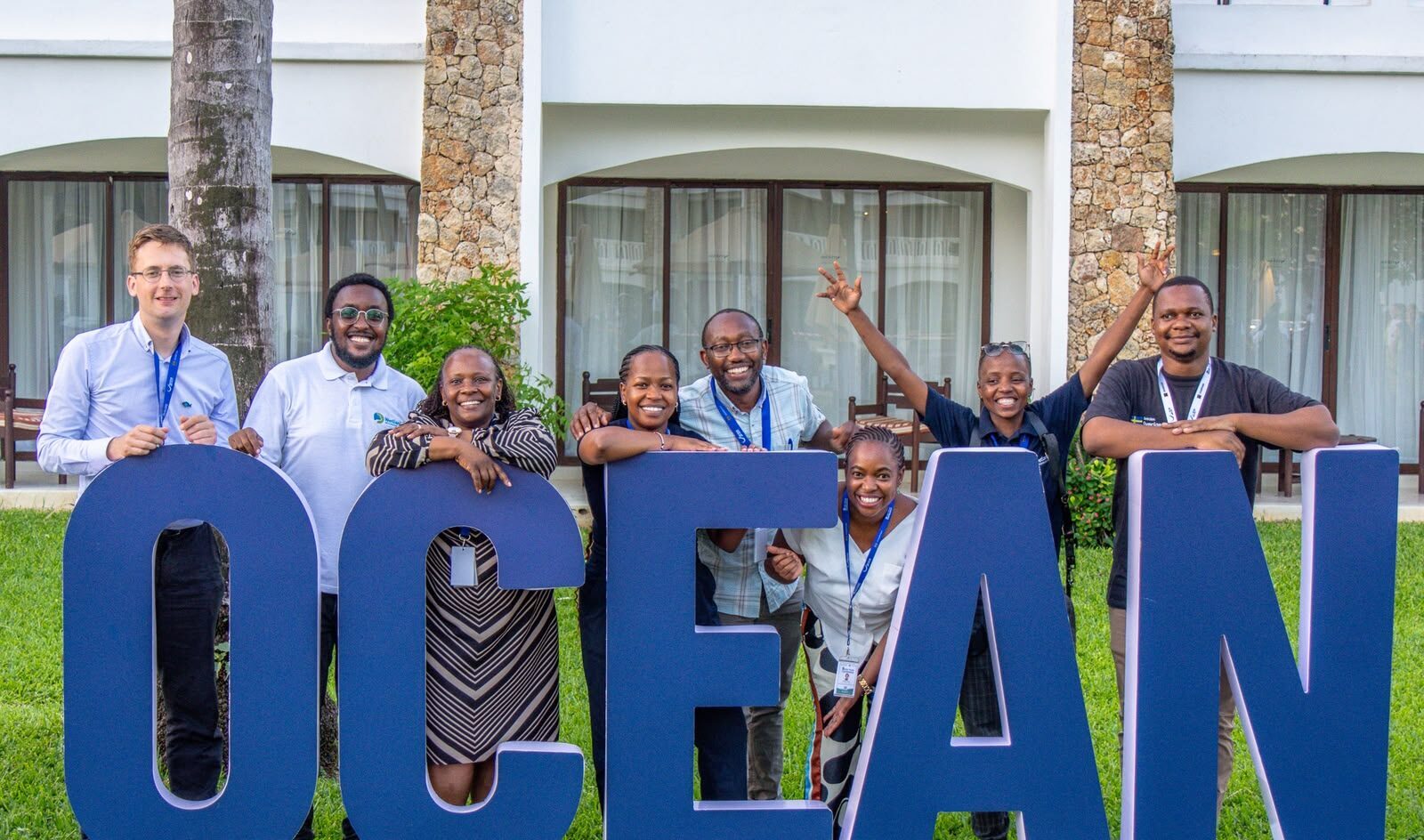
During the opening days of OOC-11, delegates participated in high-level ministerial roundtables focusing on marine protected areas, sustainable fisheries, and climate change mitigation. Concurrently, technical panels explored the valuation of blue carbon markets and the mechanics of financing community-led restoration projects. These discussions provided empirical evidence supporting the integration of wetlands into Nationally Determined Contributions (NDCs) under the Paris Agreement.
As the conference transitioned into its final phases, the focus shifted toward actionable partnerships and implementation frameworks. Bilateral meetings between government representatives, financial institutions, and civil society organizations resulted in renewed commitments for technical assistance and grant funding. The summit concluded with a synthesis of financial pledges and policy declarations, leaving participants with a clear roadmap for monitoring progress ahead of the next global ocean gathering.
Supporting Data and Ecological Imperatives
The urgency driving the advocacy efforts at OOC-11 is underscored by stark scientific data compiled by international bodies such as the Intergovernmental Panel on Climate Change (IPCC) and the Intergovernmental Science-Policy Platform on Biodiversity and Ecosystem Services (IPBES). According to recent ecological assessments, the world has lost a significant portion of its historical mangrove cover, with annual global loss rates continuing to outpace reforestation efforts in many developing regions.
Data presented during various technical sessions at Mombasa highlighted the following realities:
- Carbon Sequestration Efficiency: Coastal wetlands sequester carbon at rates significantly exceeding terrestrial forests, making the preservation and restoration of these habitats an indispensable tool for achieving net-zero emission targets.
- Coastal Protection Economics: Natural shorelines formed by healthy mangroves and coral reefs reduce wave energy by up to 66%, offering cost-effective natural infrastructure protection against storm surges compared to engineered seawalls.
- Livelihood Dependency: Over three billion people globally rely on marine and coastal biodiversity as a primary source of protein and income, with artisanal fisheries forming the economic backbone of numerous coastal communities across East Africa.
- Investment Gap: Despite their disproportionate value in climate mitigation and adaptation, marine conservation finance historically receives less than three percent of total global climate adaptation funding, a disparity that delegates in Mombasa actively sought to rectify.
Official Responses and Stakeholder Reactions
The collaborative spirit of the Mombasa conference elicited positive responses from participating governments, international financial institutions, and community representatives alike.
A senior representative from the Kenyan Ministry of Environment, Climate Change and Forestry remarked during a plenary address that hosting OOC-11 marked a watershed moment for African marine stewardship. "Our ocean is not merely a geographic boundary or an economic resource; it is our heritage and our lifeline," the official stated. "The partnerships forged here in Mombasa prove that when governments, scientists, and local communities unite, we possess the ingenuity required to secure a resilient marine future."
International conservation leaders echoed these sentiments, emphasizing the transformative shift toward inclusivity at OOC-11. A spokesperson for the participating wetland networks noted that the conference successfully bridged the gap between high-level macroeconomics and grassroots realities. "For too long, coastal communities have borne the brunt of environmental degradation without adequate representation in global climate negotiations," the spokesperson observed. "The deep engagement we experienced in Mombasa signals a growing acknowledgement that true sustainability begins at the community level."
Private sector investors and multilateral development banks also signaled a willingness to innovate. Several financial institutions announced new blended finance vehicles designed to reduce the risk profile of blue economy investments, paving the way for private capital to flow into mangrove restoration and sustainable aquaculture ventures across the Global South.
Broader Impact and Strategic Implications
The 11th Our Ocean Conference in Mombasa concluded with substantial policy commitments and financial pledges, but the true measure of its success will lie in long-term implementation and accountability. The gathering has fundamentally shifted the narrative surrounding marine conservation in East Africa, elevating blue carbon and coastal wetland restoration from niche environmental topics to central pillars of international climate policy.
By anchoring the discussions in the theme of heritage and future generations, OOC-11 reinforced the ethical obligation of the global community to halt environmental degradation. The integration of indigenous knowledge systems with rigorous scientific research sets a new standard for future conservation initiatives, ensuring that local populations retain agency over their natural resources.
As delegations depart Mombasa and return to their respective jurisdictions, the momentum generated by the summit must be translated into domestic legislation, enforcement mechanisms, and sustained financial flows. The growing consensus identified at OOC-11 demonstrates that while the challenges facing the world’s oceans are unprecedented in scale, the collaborative frameworks required to address them are taking root, offering a renewed sense of hope for the health of global coastal ecosystems in the decades to come.
