
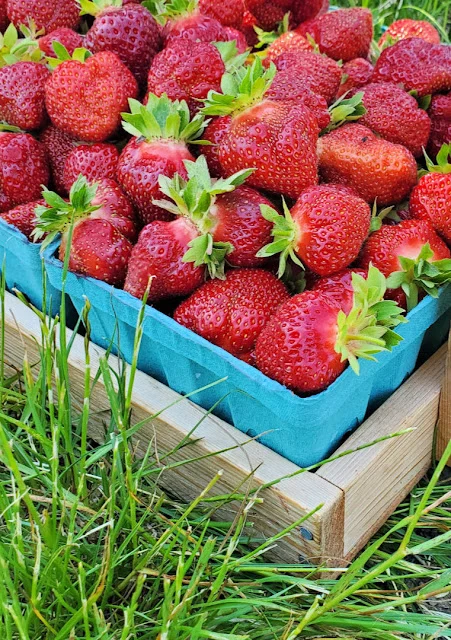
The inclusion of supplemental fruits and vegetables in the diets of backyard poultry has become a focal point for enthusiasts and agricultural experts seeking to optimize the health and productivity of their flocks. Among the various dietary additions, strawberries (Fragaria × ananassa) are frequently cited for their nutritional density and palatability. While chickens are omnivorous creatures capable of consuming a diverse array of plant and animal matter, the transition toward home-based poultry keeping has necessitated a more rigorous understanding of the physiological implications of specific treat-based feeding regimens.
Nutritional Composition and Physiological Impact
Strawberries offer a significant profile of essential vitamins and minerals that can augment a standard commercial layer feed. Analysis of the fruit reveals a rich concentration of Vitamin C, which is known to play a critical role in mitigating heat stress in avian species, particularly during summer months. Furthermore, the presence of Vitamin K, manganese, and potassium supports skeletal integrity and cardiovascular function.

From a biochemical perspective, the antioxidant properties of strawberries—largely attributed to the presence of anthocyanins and ellagic acid—may assist in reducing oxidative stress within the flock. However, the caloric density and sugar content of the fruit require careful management. Unlike the concentrated nutrients found in specialized poultry feed, strawberries consist primarily of water and simple carbohydrates. When consumed in excess, the fructose content can lead to osmotic imbalances in the avian digestive tract, frequently manifesting as diarrhea. This underscores the necessity of strict portion control to avoid disrupting the delicate microbial balance of the chicken’s gut.
The Role of Supplemental Feeding in Poultry Management
The historical context of poultry keeping suggests that supplementing a diet with fresh produce has been a common practice for generations, often referred to as "old-timer" methods. In modern agricultural practice, however, the "10% rule" has become the industry standard for supplemental feeding. This guideline dictates that treats—including fruits, vegetables, and kitchen scraps—should never account for more than 10% of a bird’s total daily caloric intake.
For an average backyard hen, this translates to approximately one to two tablespoons of fruit per day. When this threshold is exceeded, the nutritional dilution effect occurs: the bird consumes high-energy, low-nutrient food, thereby reducing its intake of the balanced, fortified feed essential for egg production and immune maintenance. Long-term deviations from this balance can lead to decreased egg quality, shell fragility, and potential weight-related health complications.

Botanical Safety: Beyond the Fruit
One of the most frequent queries from new flock owners concerns the safety of the entire strawberry plant. According to botanical assessments of the Rosaceae family, to which strawberries belong, the stems, leaves, and caps (calyx) are entirely non-toxic to domestic poultry.
In fact, the inclusion of the foliage can be beneficial. The leaves of the strawberry plant contain tannins, which have documented astringent properties that can help support healthy digestive function. By providing the entire plant, owners allow their chickens to engage in natural foraging behaviors, which provides mental stimulation and reduces boredom-related vices such as feather pecking.
Safety Protocols: Pesticides and Environmental Considerations
A critical concern for those sourcing strawberries for their flocks involves the presence of exogenous chemicals. Commercial strawberries are frequently among the produce items most likely to carry pesticide residue. The cumulative effect of these chemicals on a bird’s liver and kidney function can be severe.

Agricultural extension services advise that all store-bought produce should be thoroughly washed before being introduced to a coop. Alternatively, the safest method of provision is to source fruit from local, organic farms or to cultivate the plants within a controlled environment. Growing strawberries in a garden setting ensures that no harmful herbicides or synthetic fertilizers are present, effectively eliminating the risk of accidental chemical ingestion by the flock.
Chronology of Dietary Recommendations
The evolution of poultry nutrition recommendations has shifted from informal, anecdotal practices to data-driven, evidence-based management.
- Early 20th Century: Poultry keeping was largely subsistence-based. Chickens were expected to forage for the majority of their food, with supplemental table scraps provided as a matter of convenience rather than nutritional science.
- Mid-to-Late 20th Century: The industrialization of poultry feed led to the development of highly specific, nutritionally complete rations. During this period, treats were discouraged to ensure maximum feed efficiency and egg output.
- 21st Century: With the resurgence of the backyard chicken movement, there has been a synthesis of both approaches. Experts now advocate for the use of high-quality commercial base feeds augmented by limited, nutrient-dense treats like strawberries, which provide cognitive enrichment and health benefits without compromising the primary diet.
Analysis of Health Implications
The impact of strawberries on a flock is largely positive when managed as a reward or a supplement. The fiber content supports gut motility, while the high water content aids in hydration during periods of high ambient temperature. However, owners must be cognizant of the potential for spoilage. Rotting or fermented fruit, if left in the run, can harbor molds and bacteria such as Aspergillus, which can cause respiratory infections in poultry.

Furthermore, because strawberries are soft and prone to rapid decomposition, they should be provided in small quantities that can be consumed within a few minutes. Any remnants should be removed from the coop floor to maintain sanitary conditions and prevent the attraction of pests, such as rodents or flies, which are known vectors for poultry disease.
Perspectives from Poultry Professionals
Experts in avian husbandry emphasize that while strawberries are a "top-tier" treat due to their palatability and nutrient density, they should not be viewed as a substitute for a balanced diet. The consensus among poultry scientists is that the primary health of the bird is built upon the foundational layer feed. Supplemental treats, regardless of their health benefits, are secondary.
"Feeding a flock is an exercise in balance," notes one specialist in avian nutrition. "If you provide a bowl of strawberries, you are providing a treat, not a meal. The goal is to maximize the enrichment value for the bird while ensuring that its daily protein and calcium requirements are met through the primary ration."

Broader Impact on Poultry Welfare
The integration of such dietary variety reflects a growing trend in animal husbandry that prioritizes the welfare of the individual bird. Providing "natural" food items like berries allows for the expression of species-typical behaviors. When chickens are encouraged to peck at, tear, and consume whole strawberries, they are utilizing their beaks and digestive systems in a manner that mimics their ancestral behaviors. This fosters a healthier, more resilient flock.
Ultimately, the inclusion of strawberries in a chicken’s diet is a practice that yields tangible benefits for both the birds and the owners. It encourages a closer, more observant relationship between the keeper and the flock, facilitating earlier detection of potential health issues. As long as owners adhere to the 10% rule, prioritize the cleanliness of the produce, and monitor for excessive consumption, strawberries remain an excellent addition to the backyard poultry experience. The key to success lies not in the exclusion of such treats, but in the disciplined and informed application of them within a wider, science-backed nutritional strategy.
