
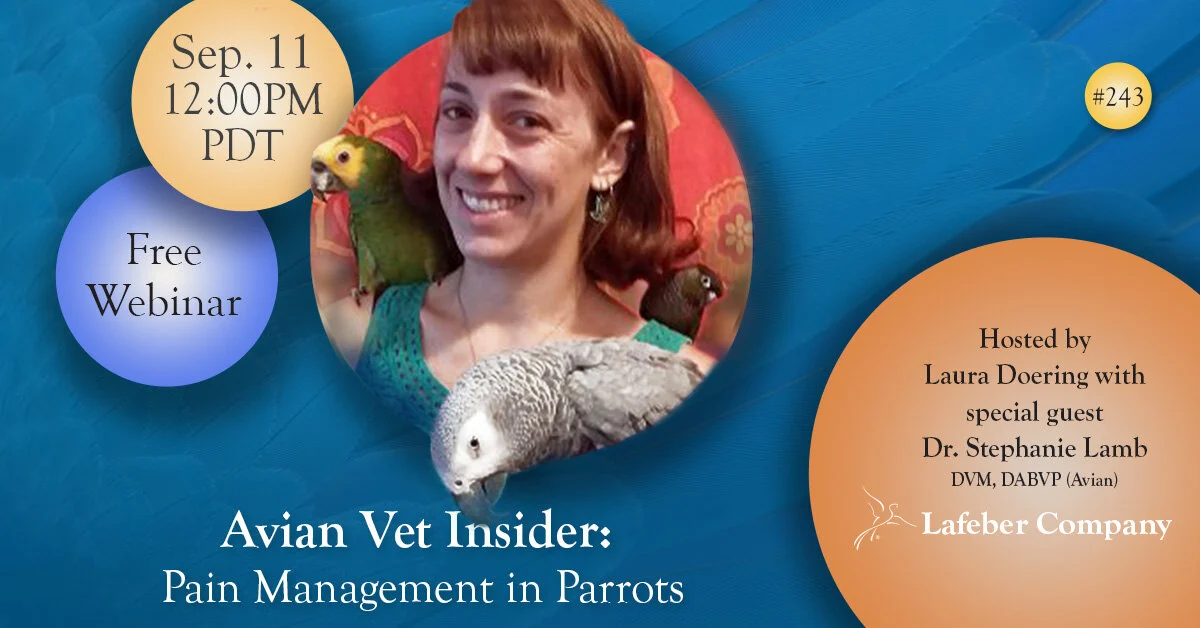
September is recognized globally as Animal Pain Awareness Month, a period dedicated to educating pet owners, veterinarians, and animal care professionals about the complexities of identifying and treating discomfort in non-human species. In alignment with this observance, the veterinary community is turning its focus toward one of the most challenging aspects of companion animal medicine: pain management in psittacine species. To address this critical health concern, Lafeber’s "Avian Vet Insider" series will host an expert-led webinar titled "Pain Management in Parrots" on Friday, September 11, 2026, at 12:00 p.m. PDT. The session will be led by Dr. Lamb, a specialist in avian medicine, who will provide a clinical overview of pain recognition, pharmacological interventions, and holistic therapeutic approaches for pet birds.
The Clinical Challenge of Identifying Avian Pain
The primary obstacle in treating avian patients is the inherent biological nature of the bird. As prey species, parrots possess a profound evolutionary instinct to mask signs of illness or injury. In the wild, displaying weakness or lethargy often results in an individual being targeted by predators or ostracized by the flock. Consequently, by the time a parrot owner notices behavioral changes, the underlying condition may be advanced.
Dr. Lamb’s upcoming presentation aims to bridge this diagnostic gap by teaching bird owners how to identify subtle behavioral indicators of pain. Clinical studies have shown that pain in parrots often manifests through deviations from "normal" baseline behavior rather than overt expressions of distress. These can include a decrease in vocalization, changes in feather grooming habits (such as over-preening or the cessation of preening), a sudden shift in appetite, or a change in social interaction patterns with their human caregivers. The webinar will provide a structured framework for owners to monitor these changes systematically, enabling earlier veterinary intervention.
Pharmacology and Modern Avian Medicine
The landscape of avian pharmacology has evolved significantly over the past two decades. Historically, avian pain management was hampered by a lack of species-specific pharmacokinetic data. Veterinarians often had to extrapolate dosages from mammalian models, which carry inherent risks due to the unique metabolic rates and physiological sensitivities of birds.
During the September 11 webinar, Dr. Lamb will offer an evidence-based review of common analgesic protocols used in current clinical practice. This will include a discussion on non-steroidal anti-inflammatory drugs (NSAIDs) and opioids, both of which are now more commonly integrated into avian care plans for post-surgical recovery and chronic condition management. The presentation will emphasize the necessity of precise dosing, noting that the narrow therapeutic index in many avian species requires strict adherence to professional veterinary guidance. Understanding the mechanism of action for these medications is crucial for owners, as it allows them to better communicate with their primary veterinarian regarding their bird’s response to treatment and any potential side effects.
Alternative and Integrative Therapies
As the field of veterinary medicine shifts toward a multimodal approach, the use of integrative therapies for pain management has gained traction. Multimodal pain management—the simultaneous use of different classes of drugs and non-pharmacological interventions—has been shown to provide superior outcomes compared to monotherapy.
Dr. Lamb is expected to address several alternative modalities that can complement traditional medication. These may include:
- Environmental Modification: Adjusting the bird’s habitat to reduce physical strain, such as lowering perch heights for birds with arthritis or providing padded surfaces.
- Physical Rehabilitation: Controlled exercise or passive range-of-motion techniques tailored for avian anatomy.
- Nutritional Support: The role of specific antioxidants and anti-inflammatory compounds in supporting joint health and systemic recovery.
- Acupuncture and Laser Therapy: While still developing within the niche of avian medicine, these therapies are increasingly being explored for their ability to manage neuropathic pain and inflammation in clinical settings.
Broader Context: Animal Pain Awareness Month
The timing of this webinar is deliberate. Animal Pain Awareness Month, observed throughout September, was initiated to raise the standard of care for pets who cannot vocalize their pain. According to the International Veterinary Academy of Pain Management (IVAPM), the failure to manage pain effectively in animals is not only a matter of welfare but also a physiological barrier to healing. Chronic, unmanaged pain triggers a stress response that can suppress the immune system, slow wound healing, and exacerbate secondary health complications.

By educating the public, the veterinary community hopes to dismantle the misconception that birds do not experience pain in the same way mammals do. Scientific research has confirmed that the neuroanatomy of pain perception is well-developed in psittacines, featuring the same neurotransmitters and pain pathways found in humans.
Implications for the Avian Community
The importance of this educational initiative cannot be overstated, particularly for the growing demographic of parrot owners. Parrots are long-lived, highly intelligent, and emotionally complex companions. As their average lifespan in captivity increases due to better nutritional knowledge and medical care, the incidence of age-related conditions—such as osteoarthritis, pododermatitis (bumblefoot), and metabolic bone disease—is rising.
The "Avian Vet Insider" webinar serves as a critical resource for pet owners to gain an objective, scientific understanding of these conditions. By moving beyond anecdotes and hearsay, the session aims to foster a more proactive relationship between owners and their avian veterinarians. When owners are empowered to recognize pain early, they can act as the first line of defense, ensuring that their birds receive timely and appropriate care.
Technical Access and Registration
For those interested in participating, the webinar will be held via Zoom. The organizers have provided a link to a time zone converter, acknowledging the global nature of the avian community and the need to accommodate participants across multiple time zones.
Webinar Details at a Glance:
- Event: Avian Vet Insider — Pain Management in Parrots
- Date: Friday, September 11, 2026
- Time: 12:00 p.m. PDT
- Platform: Zoom
- Registration: Available via the official Lafeber pet bird portal.
The webinar is designed to be accessible to a wide audience, ranging from novice pet owners to experienced breeders and rescue volunteers. By providing a synthesis of current clinical knowledge, the session aims to standardize the approach to avian pain management, ultimately improving the quality of life for parrots in captivity worldwide.
Future Directions in Avian Health
The discourse surrounding avian pain is representative of a broader trend in veterinary medicine: the move toward comprehensive, quality-of-life-centered care. As the veterinary community continues to invest in research regarding avian pain scales and analgesic efficacy, it is likely that future protocols will become even more specialized.
For the average bird owner, the takeaway from this initiative is clear: pain management is an essential component of responsible bird ownership. Whether a parrot is suffering from a minor injury or a chronic, debilitating condition, the ability to recognize pain and advocate for appropriate treatment is the hallmark of a committed guardian. This webinar represents a significant step forward in providing the tools necessary for that commitment, ensuring that the standard of care for our avian companions continues to rise in parallel with our understanding of their complex biological needs.
Registration for the event remains open, and prospective attendees are encouraged to review the provided resources to prepare questions for the Q&A portion of the session. As the medical community continues to refine its approach to the delicate anatomy and physiology of psittacines, such educational opportunities remain the most effective method for disseminating life-saving information to the public.
