
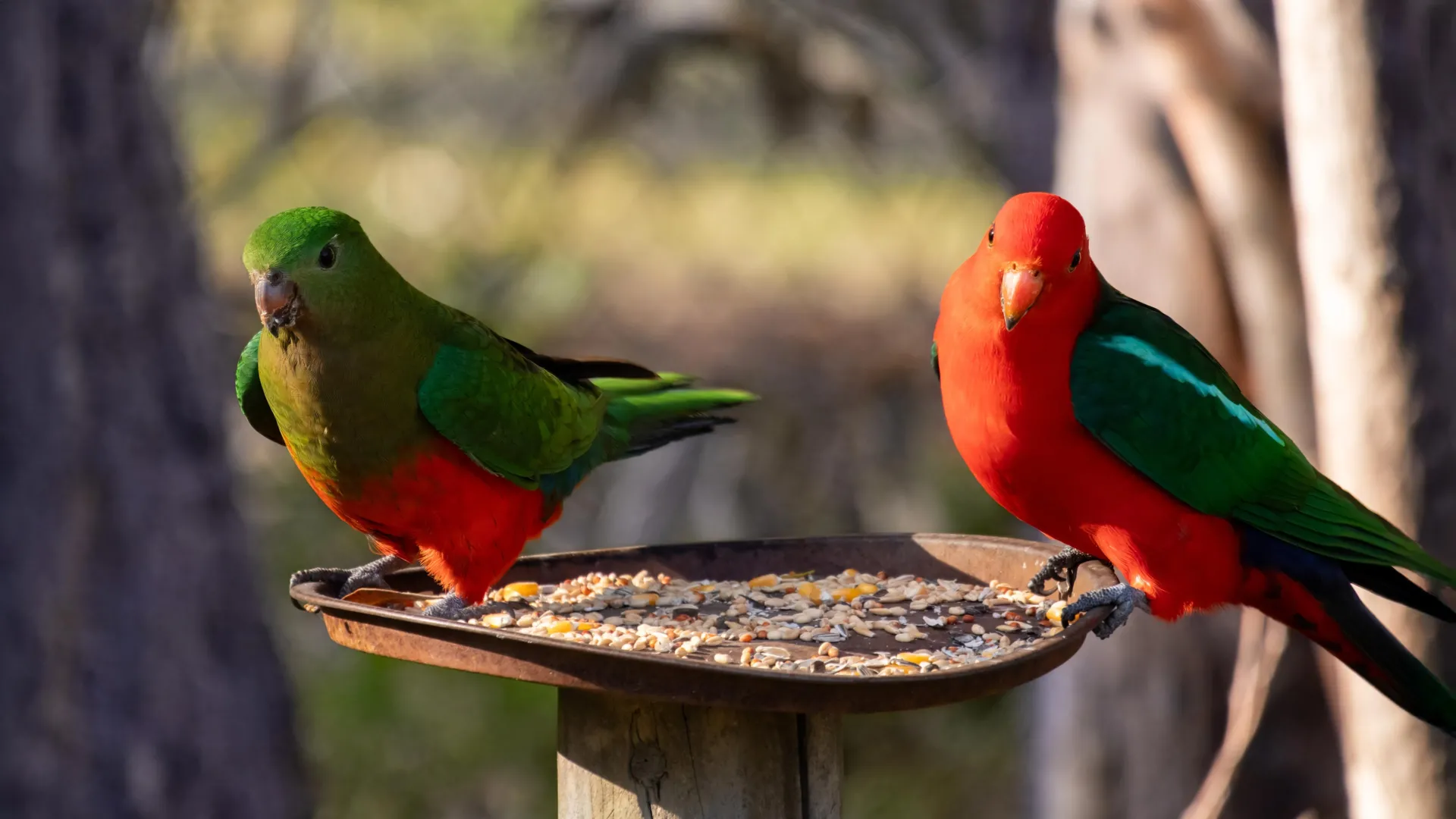
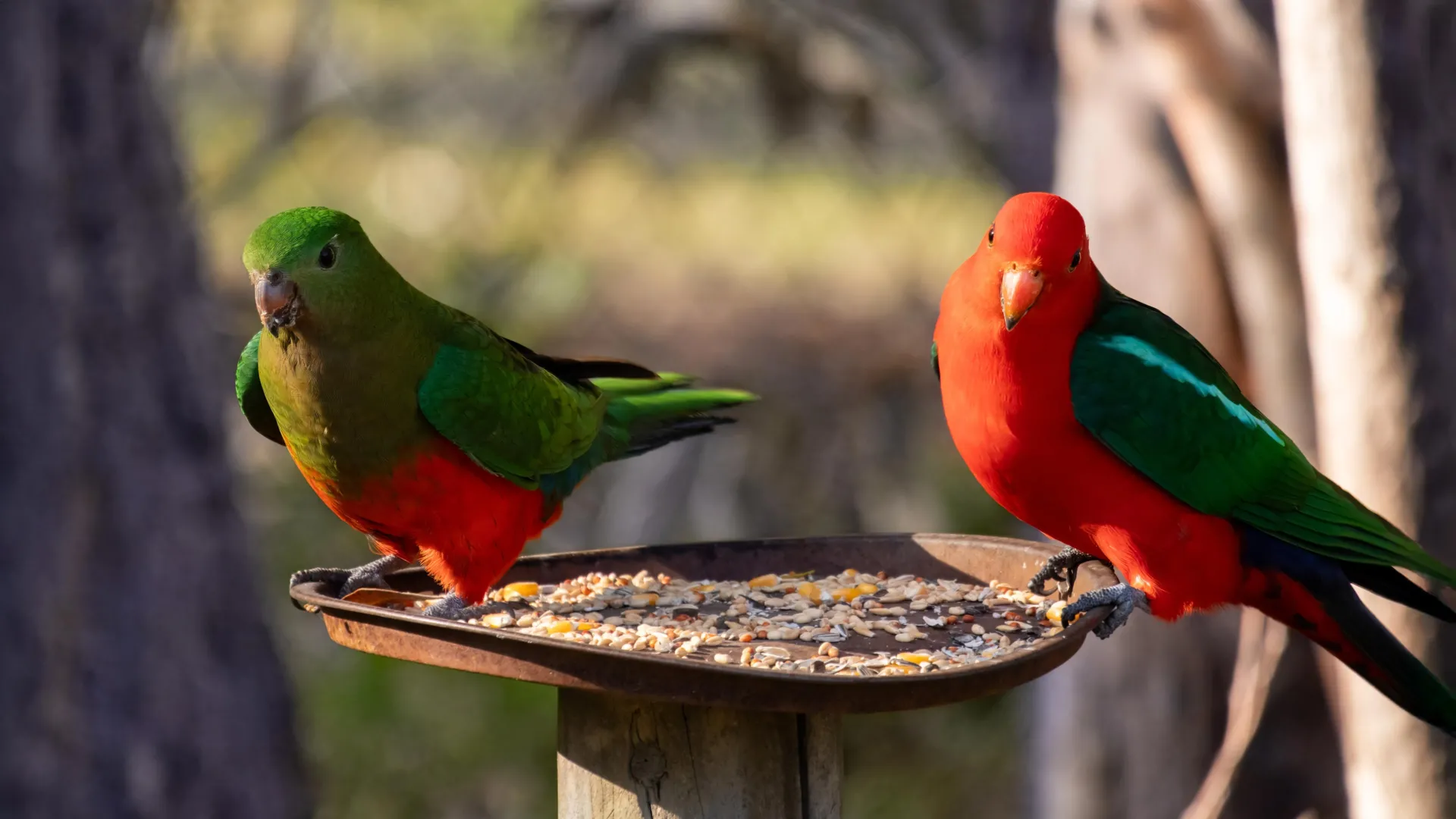
Backyard bird feeding stands as one of the most popular pastimes across the nation, engaging millions of households that seek a closer connection to nature. Contemporary wildlife research indicates that approximately half of all Australian households actively feed wild birds, with a significant portion doing so on a daily basis. While this cherished hobby is driven by a genuine love for wildlife and a desire to help avian populations through difficult times, conservation scientists and biosecurity experts are issuing urgent warnings. The practice of supplementary feeding risks turning suburban backyards into accidental superspreader events for the highly pathogenic H5N1 avian influenza virus, threatening both vulnerable animal populations and public health.
The Emergence of H5N1 in Australia
The H5N1 strain of highly pathogenic avian influenza represents a devastating global crisis. Over recent years, this specific virus has decimated wild bird populations and severely impacted mammalian species across the Northern Hemisphere and various global territories. The virus has now established a worrying presence in Australia, shifting from an overseas threat to an immediate domestic emergency.
Recent milestones mark a grim escalation of the outbreak on Australian shores. Biosecurity incidents have multiplied rapidly, most notably resulting in the mass mortality of more than 1,000 crested terns. Furthermore, scientific authorities confirmed the first detection of the H5N1 virus in a mainland Australian mammal, following the death of a long-nosed fur seal. These events underscore the rapid cross-species transmission capabilities of the virus and highlight how quickly a localized wildlife health issue can transform into a widespread ecological crisis.
Understanding the Mechanics of Suburban Transmission
To comprehend why backyard bird feeding presents such a significant hazard during an avian influenza outbreak, one must examine how the virus spreads. In a natural environment, wild birds disperse across vast landscapes, foraging independently or in limited flocks typical of their specific species. This natural separation acts as a barrier against rapid disease transmission.
However, artificial feeding stations alter these natural dynamics entirely. When homeowners distribute seeds, grains, bread, or meat scraps, they create artificial gathering points. These locations draw together an unprecedented combination and concentration of bird species that would rarely congregate in such close quarters under natural conditions. If even a single infected bird visits the feeding station, the dense concentration of animals creates an ideal environment for the virus to pass rapidly through the flock, establishing a transmission hotspot directly on residential patios and back decks.
The risk extends far beyond the avian visitors. Scavenger species—including possums, red foxes, rodents, and corvids—frequently visit feeding sites or scavenge nearby carcasses, exposing themselves to the pathogen. While direct human infection with H5N1 remains rare and typically manifests as mild symptoms, individuals in close contact with wildlife, such as wildlife rehabilitators, veterinarians, and enthusiastic members of the public who practice hand-feeding, face elevated exposure risks.
The Historical Context and Cultural Significance of Feeding Wildlife
The tradition of feeding backyard birds is deeply embedded in modern suburban culture. Historical analyses show that public engagement with wildlife feeding surged significantly during periods of societal confinement, such as pandemic lockdowns, as people sought solace and mental health benefits through interaction with nature. Most participants operate under the assumption that supplementary feeding is an essential conservation effort that supports local biodiversity.
However, ornithological studies consistently demonstrate that most birds visiting backyard feeders derive the vast majority of their nutritional requirements from natural sources, such as native plants, insects, and worms. Consequently, the food provided by humans functions primarily as an optional snack rather than an indispensable lifeline. While well-intentioned, the provision of unsuitable foods can also lead to nutritional imbalances and behavioral dependency, further compounding the ecological arguments against indiscriminate feeding.
Implications for Threatened and Endangered Species
The introduction of H5N1 into Australian ecosystems carries catastrophic implications for already fragile biodiversity. Australia is home to numerous unique and threatened endemic species whose populations are critically low. Among them is the orange-bellied parrot, one of the world’s most endangered migratory birds.
Conservation biologists fear that if the virus breaches populations of highly threatened species through shared environmental vectors or contaminated feeding sites, the resulting mortality rates could push these vulnerable groups past the brink of extinction. The loss of even a small fraction of a critically endangered species can permanently destabilize their recovery trajectories, making biosecurity management at the community level a vital component of national conservation strategy.
Strategic Recommendations for Risk Mitigation
In response to the escalating crisis, biosecurity authorities and wildlife councils have outlined clear protocols for the public. The consensus among experts emphasizes that the most effective strategy to prevent backyard superspreader events is to cease feeding wild birds altogether. Without artificial food concentrations, birds will disperse naturally into the landscape, significantly reducing viral transmission rates while continuing to thrive on natural diets.
For individuals who remain committed to maintaining their backyard feeding stations, experts urge the strict implementation of risk-reduction protocols:
-
Offer Minimal Quantities: Restricting the volume of food available prevents large, dense flocks from congregating. Smaller amounts mirror natural foraging patterns and maintain spatial separation akin to social distancing principles observed during human health crises.
-
Eliminate Hand-Feeding: Direct physical contact with wildlife, such as allowing birds to take food directly from human hands, must be discontinued immediately. While human transmission is uncommon, the close proximity required for hand-feeding introduces unnecessary health risks.
-
Maintain Rigorous Sanitation: Feeding surfaces, trays, and surrounding equipment must be cleaned and disinfected regularly using standard domestic bleach solutions. Individuals unwilling or unable to commit to strict, ongoing sanitation should immediately remove their feeders.
Official Responses and Emergency Protocols
Government departments, conservation councils, and veterinary networks continue to monitor the spread of H5N1 closely, coordinating rapid response plans to contain localized outbreaks. Authorities stress the importance of public vigilance and responsible reporting.
Members of the public are strictly advised never to touch sick or dead wild birds or marine mammals. Anyone encountering deceased or visibly distressed wildlife should record the exact location, capture photographs from a safe distance, ensure domestic pets are kept securely away from the area, and immediately report the sighting to the Emergency Animal Disease Hotline.
As Australia navigates this critical phase of the H5N1 outbreak, the actions taken in suburban backyards will play a decisive role in shaping the survival outcomes of the nation’s unique wildlife. Balancing the human desire to connect with nature against the urgent imperatives of biosecurity remains a defining environmental challenge of the era.
