
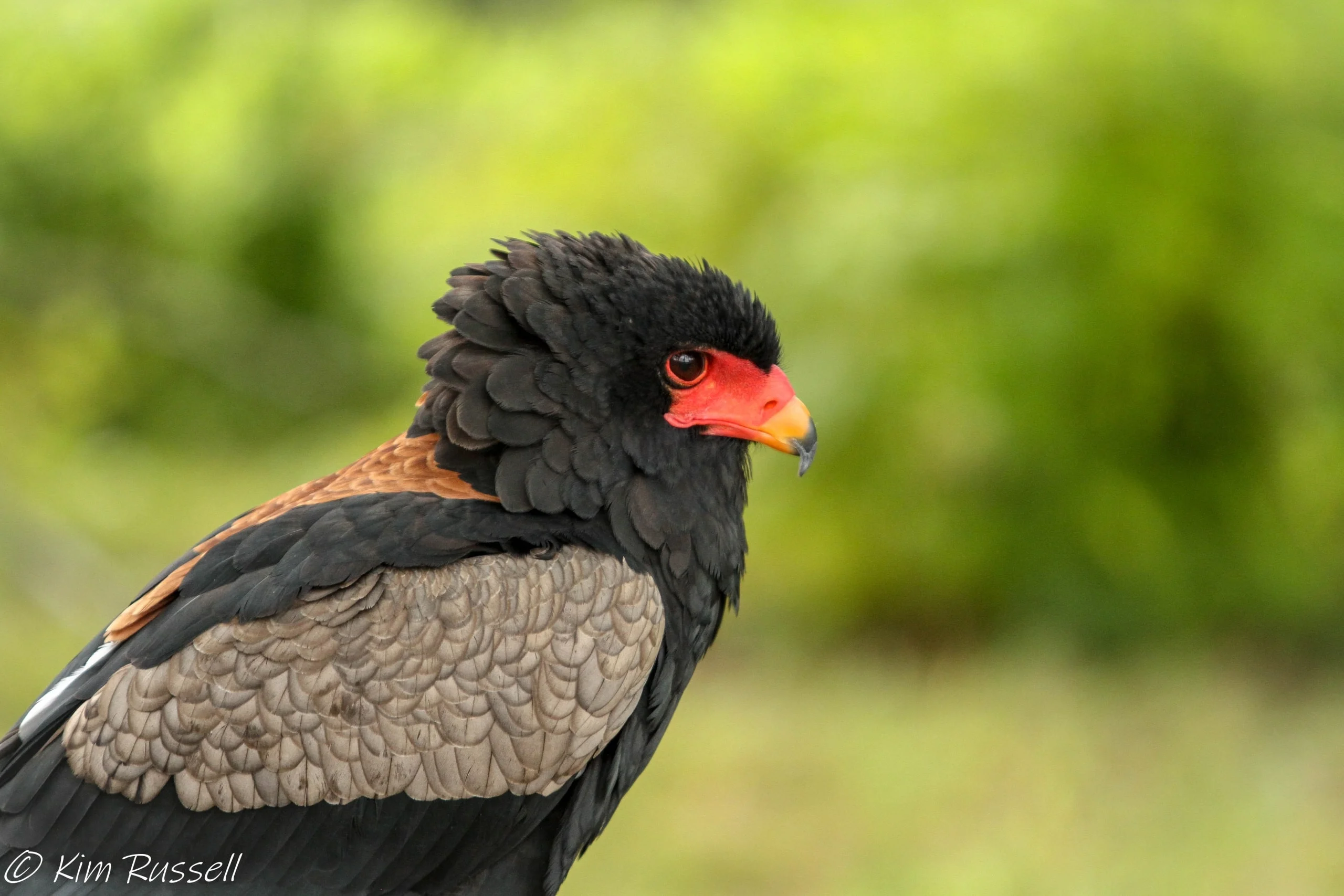
The preservation of avian species, particularly the majestic raptors that hold profound spiritual significance within indigenous cultures, has found a unique intersection in the work of Waha Thuweeka, also known as William "Two-Raven" Voelker. As the founder and director of Sia: The Comanche Nation Ethno-Ornithological Initiative, Voelker has spent over four decades bridging the gap between Western scientific ornithology and traditional Native American ethnology. His work, centered on the preservation of eagles and other raptors, represents a singular achievement in conservation history, marking him as the first Native American to hold United States Fish and Wildlife Service (USFWS) permits for the captive breeding of Bald and Golden Eagles.
A Life Dedicated to Raptors: The Voelker Chronology
The trajectory of Voelker’s career began long before the formal incorporation of his initiative. Born to a full-blood Comanche mother of the Ohnononuh band and a father deeply immersed in raptor research, Voelker’s upbringing was defined by a dual-heritage perspective. By 1974, he had already begun his extensive work in captive propagation. This early start laid the groundwork for what would become a historic contribution to avian science.
Throughout the late 1970s and 1980s, Voelker pioneered techniques in artificial insemination for raptors. In a milestone for the scientific community, he achieved the world’s first successful production of a Bald Eagle through artificial insemination. Since 1974, his efforts have resulted in the captive propagation of more than 400 native eagles, the vast majority of which have been successfully released back into the wild to bolster declining populations. His expertise is not limited to North American species; he has engaged in field studies and behavioral research involving 68 distinct species of eagles and raptors, spanning five continents.
The Foundation of Sia: Bridging Tribal Sovereignty and Conservation
In 1999, Voelker took the decisive step of formalizing his life’s work under the political umbrella of the Comanche Nation, establishing Sia: The Comanche Nation Ethno-Ornithological Initiative. This move was not merely administrative; it was a profound assertion of tribal sovereignty over the management of natural and cultural resources. By integrating his research into the tribal structure, Voelker ensured that the conservation of eagles would be governed by a partnership between the Comanche people and the federal government.
The initiative’s mandate is twofold: to advance the scientific understanding of raptor biology and to preserve the traditional cultural interactions between the Numunuh (Comanche) people and their avian resources. This dual approach is best exemplified by the Sia Essential Species Repository. This program, the first of its kind, serves as a tribally administered center for the acquisition and dispersal of feathers. The repository provides a legal and ethical framework for federally recognized tribes to obtain feathers from non-eagle migratory birds, ensuring that traditional ceremonies can be conducted without violating the Migratory Bird Treaty Act. This solution, which addresses a long-standing point of friction between federal law and indigenous religious practice, was a goal Voelker first proposed to the USFWS in 1973.
Data-Driven Conservation and Historical Preservation
The scope of the Sia Initiative extends well beyond active raptor breeding. As the designated historian of bird knowledge for the Numunuh, Voelker oversees an extensive archival repository that serves as a vital record of Comanche history. The facility housing these records is maintained at state-of-the-art environmental standards to ensure the longevity of the materials, which include:
- A research library containing more than 28,000 volumes focused on ornithology, ethnology, and tribal history.
- An photographic archive of over 4,600 images documenting the lives of the Numunuh people, with many dating back to the period before the tribe’s forced relocation and captivity.
- An archive of approximately 500,000 pages of unpublished historical documents, including diaries, field notes, and personal letters that provide an unfiltered look at the intersection of Comanche life and the natural world over the past three centuries.
This repository is more than a static collection; it is an active research tool. By digitizing and analyzing these documents, the Sia Initiative provides academic researchers and tribal members with an unprecedented view of how the Comanche interacted with the environment throughout the 18th, 19th, and 20th centuries.
Analysis: Implications for Tribal Resource Management
The work of Waha Thuweeka Voelker holds significant implications for the future of indigenous-led conservation. Historically, federal agencies often viewed tribal requests for natural resource management with skepticism. The Sia Initiative represents a paradigm shift, proving that tribal entities can operate with the same—or higher—levels of scientific rigor as federal or academic institutions.
The success of the Sia Essential Species Repository is particularly notable. By creating a sanctioned path for the distribution of feathers, the program effectively mitigates the black market for raptor parts, which has historically plagued conservation efforts. When Native American communities have a legal and dignified way to fulfill their cultural requirements, the demand for illegal trafficking diminishes. This is a clear case where cultural sensitivity and sound conservation biology reinforce one another.
Furthermore, Voelker’s service as the past chairman of the Comanche Nation NAGPRA (Native American Graves Protection and Repatriation Act) & Historic Preservation Board of Directors underscores the importance of legal standing. His ability to navigate federal regulatory frameworks has allowed the Comanche Nation to reclaim its role as the steward of its own cultural history and the biological assets associated with that history.
Institutional Challenges and Future Directions
Despite these successes, the path forward is not without challenges. The logistics of maintaining an environmentally controlled archive and a captive breeding program for 68 species require constant funding and technical support. The USFWS has historically viewed the Sia Initiative as a model for "co-management," yet the transition from individual-led research to fully institutionalized tribal programs remains a complex process involving federal compliance, inter-tribal coordination, and ongoing scientific peer review.
Observers in the fields of conservation and indigenous studies have noted that the Sia Initiative serves as a blueprint for other federally recognized tribes. The ability to combine scientific data—such as population trends for raptors—with traditional ecological knowledge (TEK) provides a more holistic approach to wildlife management than the strictly bureaucratic models often employed by state and federal agencies.
The Spiritual and Scientific Synthesis
The core philosophy of the Sia Initiative remains the inseparable nature of science and spirit. For the Comanche, the eagle is not merely a raptor to be studied; it is a sacred entity. By treating the eagle with both scientific precision and cultural reverence, Voelker has elevated the standard for what conservation can look like in the 21st century.
As the Sia Initiative continues to evolve, its focus remains fixed on the long-term health of the species it protects and the survival of the cultural practices that depend on them. With a repository that spans 300 years of history and a breeding program that has contributed hundreds of birds to the wild, the initiative is firmly established as a cornerstone of modern conservation. The life and work of Waha Thuweeka William Two-Raven Voelker stand as a testament to the fact that the most effective environmental solutions are those that respect both the wisdom of the past and the empirical demands of the present.
Through the persistent efforts of Voelker and the support of the Comanche Nation, the Eagle—a symbol of freedom and endurance—continues to soar, supported by a framework that honors its biological necessity and its deep-seated place in the history of the Numunuh people. The legacy of this work is not just in the numbers—the 400 eagles released, the 500,000 pages of archives—but in the enduring recognition that conservation is, ultimately, a shared human responsibility.
