
The vital work of wildlife rescue, rehabilitation, and release relies heavily on the continuous support of international donors, volunteers, and conservation advocates. Organizations dedicated to preserving Costa Rica’s rich biodiversity, such as The Toucan Rescue Ranch (TRR), face constant logistical challenges in acquiring the necessary medical, dietary, and operational supplies needed to care for injured, sick, or orphaned animals. From hand-rearing infant sloths to rehabilitating majestic toucans and preparing displaced wildlife for successful reintroduction into their natural habitats, the operational demands placed on these rescue centers are immense. To sustain these life-saving missions, organizations frequently look to global supporters to bridge critical resource gaps through targeted wish lists and strategic physical donations.
Understanding the logistics of international charitable giving, particularly within Central America, is essential for donors who want to ensure their contributions reach the front lines of conservation. While financial contributions provide necessary liquidity for daily operations, physical items—ranging from specialized veterinary equipment to specific animal husbandry tools—are often difficult or expensive to source locally within Costa Rica. Consequently, rescue organizations have established structured pathways for individuals to purchase and deliver high-priority supplies. However, navigating international shipping, customs regulations, and postal unreliability requires careful planning on the part of the donor.
Logistical Realities of Shipping to Costa Rica
The postal infrastructure in Costa Rica presents unique challenges for charitable organizations. Standard international mail services can be notoriously unreliable, frequently resulting in delayed, damaged, or entirely lost packages. Furthermore, international shipments arriving through conventional postal channels are often subject to complex customs clearance procedures and high import tariffs, which can place an unexpected financial and administrative burden on the receiving nonprofit organization. To mitigate these risks, rescue administrators strongly advise against using standard postal services for direct deliveries.
Instead, organizations have refined alternative logistics strategies to streamline the donation process. The most efficient and cost-effective method for delivering supplies directly to the rescue center involves utilizing checked luggage. Supporters who travel to Costa Rica to participate in internship programs, volunteer initiatives, guesthouse stays, or educational eco-tours are uniquely positioned to act as couriers. By packing requested items in their personal luggage, travelers bypass international shipping fees, avoid customs bottlenecks, and guarantee that critical supplies arrive safely and promptly at the sanctuary.
For supporters unable to travel to Central America personally, alternative shipping pathways have been established, though they require specific coordination. One such method involves shipping donated goods to a designated U.S. collection point, such as a partner warehouse located in Knoxville, Tennessee, managed by a dedicated board member. While this method allows U.S.-based donors to consolidate and store items domestically, it relies entirely on finding a traveler willing to transport the collected inventory the rest of the way to Costa Rica. Alternatively, donors who require direct international shipping are advised to use private, expedited courier services such as DHL. While DHL offers reliable tracking and secure delivery directly to the sanctuary, the associated shipping costs can be prohibitive, making it a secondary option compared to traveler-assisted transport.
Targeted Resource Allocation: Wish Lists and Priority Inventories
To maximize the impact of every contribution, wildlife rescue organizations curate specific inventory needs based on daily operational demands. These inventories are typically managed through digital platforms like Amazon and Cuddly, allowing global contributors to purchase exact items requested by veterinary and animal care teams. The scope of these needs is vast, touching nearly every department within a modern wildlife sanctuary.
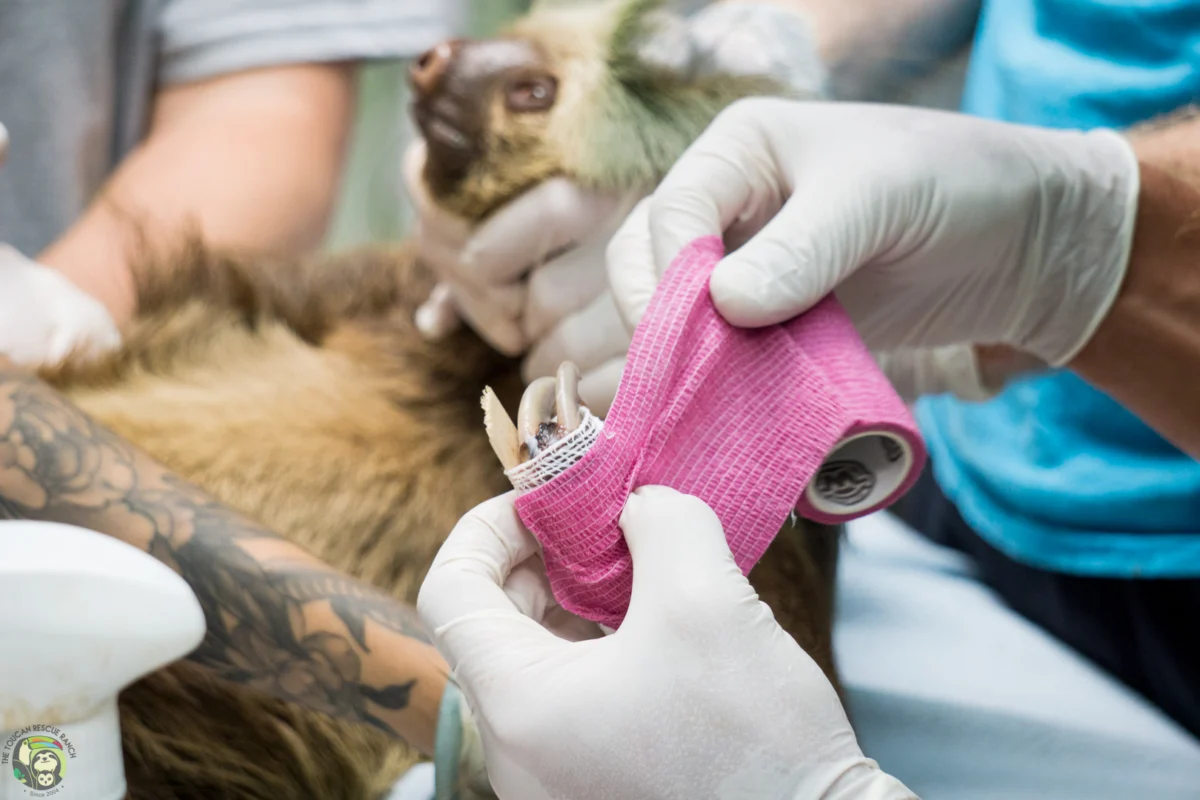
The clinical department requires a continuous supply of medical instruments, pharmaceuticals, wound-care products, and specialized diagnostic tools to treat trauma cases, perform surgeries, and manage long-term rehabilitation. Meanwhile, the animal care and nursery teams depend heavily on specialized feeding equipment, incubators, formula, and species-appropriate enrichment items designed to foster natural behaviors in orphaned wildlife. Beyond the clinic and nursery, administrative offices and remote release sites require infrastructural and operational supplies to maintain facility standards and monitor released animals in the wild.
To help donors prioritize their contributions, wish lists are often categorized by urgency. High-priority items typically comprise indispensable medical supplies, specialized infant formulas, and urgent nutritional supplements that cannot be substituted locally. Medium-priority items generally include enrichment toys, enclosure maintenance tools, and standard husbandry hardware. Lower-priority items encompass general office supplies, cleaning products, and auxiliary gear that, while helpful, are less critical to immediate medical interventions. By maintaining transparency regarding these inventories, rescue organizations ensure that donor generosity directly addresses the most pressing operational bottlenecks.
Financial Transparency and Tax Implications
For many international donors, the ability to claim tax deductions provides an important incentive for charitable giving. Recognized wildlife rescue foundations operating in Costa Rica often maintain dual legal structures to facilitate international compliance. For instance, many organizations hold official status as U.S. 501(c)(3) nonprofit entities, alongside their local registration as Costa Rican foundations. This dual recognition allows donors residing in the United States to make tax-deductible financial contributions and, where applicable, claim deductions for the fair market value of donated physical goods, provided proper documentation and receipts are maintained.
This legal framework not only encourages philanthropic engagement but also ensures strict adherence to international financial regulations. Nonprofits relying on these mechanisms undergo regular audits and maintain transparent reporting standards to sustain their tax-exempt status. Donors are consistently encouraged to retain purchase receipts for items bought via wish lists or brought in luggage, as these documents are typically required to substantiate tax-deductible claims.
Broader Impact and Implications for Conservation
The reliance on international supply chains underscores the interconnected nature of modern wildlife conservation. Regional ecosystems in Costa Rica face mounting pressures from habitat fragmentation, climate change, wildlife trafficking, and human-wildlife conflict. When animals are displaced or injured by these anthropogenic pressures, rescue centers serve as the primary safety net preventing localized population declines. However, the success of these rescue, rehabilitation, and release protocols depends entirely on the operational capacity of the facilities executing them.
By engaging a global community of supporters through targeted wish lists and structured donation transport, conservation organizations build a resilient support network that extends far beyond the borders of Costa Rica. This decentralized model of philanthropy empowers everyday citizens, travelers, and corporate partners to take an active role in global biodiversity preservation. As these rescue initiatives continue to expand their reach, the ongoing commitment of international donors remains a cornerstone of successful wildlife management, ensuring that future generations of sloths, toucans, and other native species retain a fighting chance of returning to their natural homes.
