
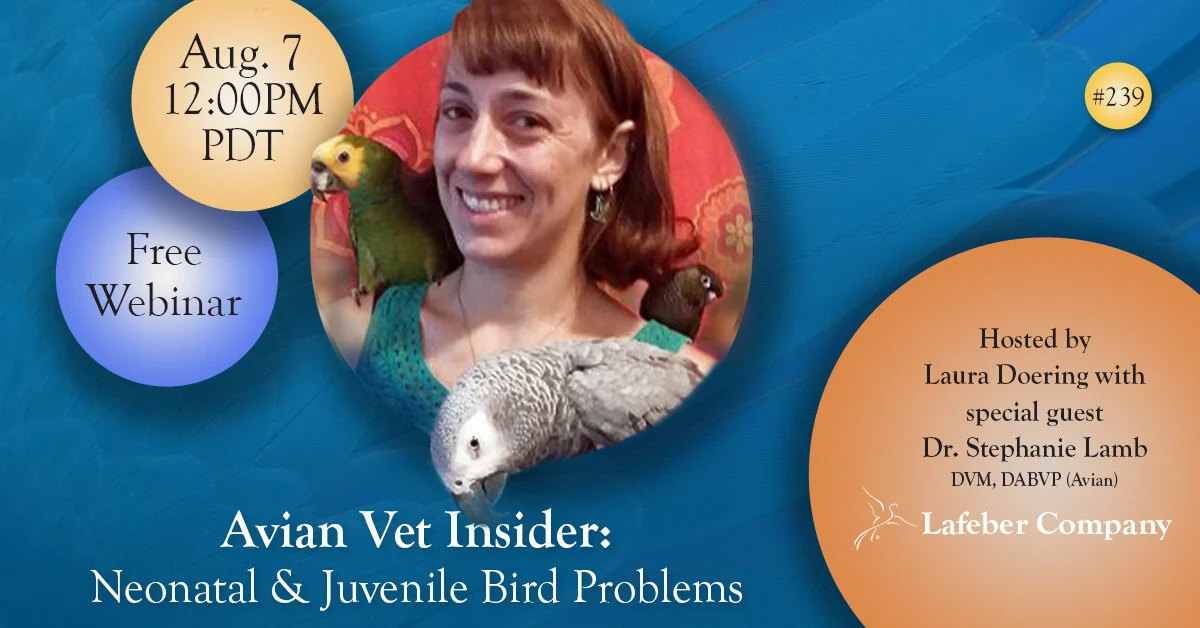
The transition from a vulnerable hatchling to a fully independent juvenile is arguably the most critical period in an avian life cycle. On Friday, August 7, 2026, at 12:00 p.m. PDT, Dr. Lamb will host a comprehensive webinar titled "Neonatal & Juvenile Bird Problems," designed to address the complex biological and medical hurdles encountered by young birds. This event, which serves as a vital resource for avian enthusiasts, breeders, and veterinary professionals, aims to shed light on the developmental nuances that define early avian health and long-term vitality.
The Critical Window of Avian Development
The developmental trajectory of a bird from hatching to fledging is characterized by rapid physiological transformation. In the wild, this period is marked by high mortality rates due to environmental stressors, nutritional deficiencies, and predation. In domestic settings, these risks are mitigated by human intervention, yet new challenges arise. Dr. Lamb’s presentation will dissect the specific anatomical and physiological milestones that define these early weeks, providing attendees with a foundational understanding of what constitutes normal versus abnormal development.
Understanding the "neonatal phase"—typically defined as the time from hatch until the bird achieves a degree of thermoregulatory independence—is essential for any caregiver. During this time, the immune system is in a state of flux, and the metabolic demands are at their peak. Any disruption in parental feeding, ambient temperature, or hygiene can lead to cascading health issues that may result in permanent developmental deficits.
A Chronology of Growth: From Egg to Independence
To grasp the complexity of the subject matter, one must examine the timeline of avian maturation. The process begins with the pip and hatch, a physically grueling event that requires immense energy reserves. Within the first 24 to 48 hours, the neonate must transition from relying on internal yolk reserves to exogenous nutrition. This period is often where the first clinical complications appear, such as failure to thrive or metabolic bone disease.
Following the neonatal stage, the juvenile period begins, characterized by the growth of primary feathers and the development of behavioral patterns. This is the era of social imprinting and motor skill acquisition. According to veterinary literature, this is also the timeframe when nutritional imbalances, such as calcium deficiency or protein-energy malnutrition, manifest as visible physical abnormalities. The webinar will provide a structured timeline, helping participants identify exactly when specific interventions are most effective.
Statistical Realities and Health Risks
Data from avian veterinary clinics consistently suggest that a significant percentage of juvenile mortality is preventable. Common issues often discussed in clinical settings include crop stasis, aspiration pneumonia, and bacterial infections resulting from poor husbandry.
For instance, studies in psittacine species have shown that "new bird" mortality—deaths occurring within the first six months of life—is frequently linked to suboptimal environmental conditions or inadequate weaning protocols. While exact mortality figures vary by species, experts suggest that a 10% to 15% reduction in juvenile mortality is achievable through better education regarding temperature regulation, humidity control, and standardized feeding schedules. Dr. Lamb’s session intends to bridge the gap between anecdotal caregiving and evidence-based medical practice by utilizing these performance metrics to guide preventative strategies.
Analyzing the Long-Term Implications
The impact of early-life experiences on adult avian health cannot be overstated. A bird that suffers from chronic stress or nutritional deficits during its juvenile stage may exhibit lifelong behavioral issues, including feather plucking, self-mutilation, or heightened reactivity. Furthermore, metabolic damage sustained during the neonatal phase can lead to permanent organ stress, specifically affecting the liver and kidneys.
By addressing these problems early, caretakers can significantly enhance the quality of life for their birds. The webinar aims to move beyond basic maintenance and into the realm of preventative medicine. This shift in perspective is vital for the sustainability of avian companionship, as birds are increasingly recognized as complex, long-lived animals that require sophisticated care protocols throughout their decades-long lifespans.
Official Perspectives and Educational Objectives
The organization behind this webinar, Lafeber, has long emphasized the role of education in improving avian welfare. By hosting experts like Dr. Lamb, the platform provides a centralized hub for disseminating veterinary-grade information to a global audience. The objective is to standardize care practices, ensuring that those responsible for young birds have access to the latest research and clinical techniques.
In recent years, the avian community has seen an increase in the popularity of specialized species that require advanced knowledge of developmental requirements. As public interest grows, so does the responsibility of the community to provide accurate information. The event organizers anticipate that this webinar will serve as a definitive guide for those navigating the complexities of bird rearing, from the perspective of both the amateur enthusiast and the dedicated aviculturist.
Preparing for the Webinar: What to Expect
The webinar will feature a deep dive into the clinical signs that indicate distress in young birds. Participants will be guided through a diagnostic framework, learning how to distinguish between minor developmental hiccups and genuine medical emergencies that require immediate veterinary intervention.
Specific topics scheduled for discussion include:
- Nutritional Support: Optimizing the transition from hand-feeding formulas to solid food.
- Environmental Management: Maintaining appropriate thermal and humidity gradients for growing birds.
- Behavioral Monitoring: Recognizing the signs of normal exploration versus signs of developmental stagnation.
- Diagnostic Tools: Understanding what veterinary diagnostics, such as blood work or radiographs, can reveal about a young bird’s health status.
The inclusion of these topics reflects a broader industry movement toward "proactive husbandry," where the focus shifts from treating disease to cultivating an environment that prevents disease from taking hold in the first place.
The Role of Technology in Avian Care
The use of digital platforms like Zoom for this webinar underscores the evolving nature of veterinary communication. In an era where distance often separates bird owners from specialized avian veterinarians, these virtual forums are critical. They allow for the real-time exchange of information, providing a lifeline for those in remote areas who may not have access to an avian specialist.
The integration of visual aids, such as high-resolution imagery and case studies, will allow Dr. Lamb to demonstrate specific health indicators that would be difficult to describe in text alone. This multimodal approach to education ensures that the information is accessible to a wide audience, regardless of their prior experience in veterinary science.
Conclusion and Call to Action
The health of a juvenile bird is a direct reflection of the care it receives during its most formative months. By attending the webinar on August 7, 2026, participants are taking a proactive step toward ensuring the long-term well-being of their avian companions. Whether one is a seasoned breeder or a first-time owner, the insights provided by Dr. Lamb will offer a roadmap for navigating the delicate stages of early avian life.
Registration for the event is currently open. Prospective attendees are encouraged to use the provided time zone converter to ensure they do not miss the live broadcast, as the interactive nature of the Q&A session will provide a unique opportunity to address specific concerns. By investing time in understanding the fundamental problems associated with neonatal and juvenile birds, owners can help foster a generation of healthier, more resilient birds. This webinar represents a significant milestone in ongoing efforts to improve avian welfare standards globally, and it stands as an essential learning opportunity for anyone involved in the life of a growing bird.
