
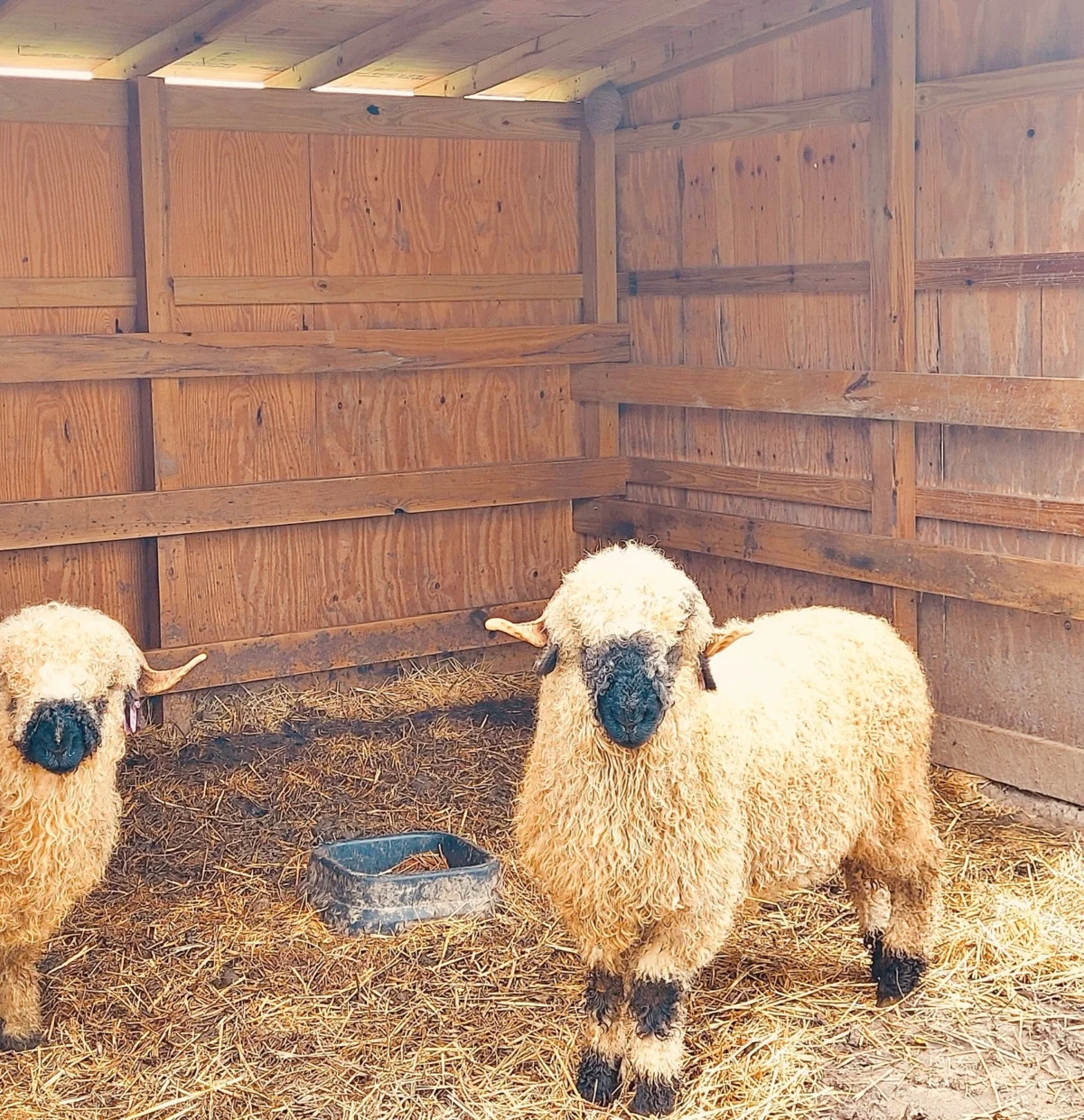
The serene pastures and historic barns of Aullwood Audubon in Dayton, Ohio, are designed to be a sanctuary for both wildlife and domesticated livestock. However, throughout the sweltering summer and crisp autumn months, the farm’s animal residents faced an unexpected adversary: aggressive wasp populations. This nuisance, which forced horses to abandon their shelters and caused significant stress among the cattle and sheep, prompted an innovative, community-driven conservation project that transformed how the farm manages pest control. By blending traditional animal husbandry with modern grassroots volunteerism, the Aullwood staff successfully replaced chemical deterrents with a creative, textile-based solution.
The Catalyst: An Unexpected Displacement of Livestock
The crisis began during a routine morning inspection by Aullwood staff, who noticed that Butch and Sundance—the farm’s two beloved bonded gelding horses—were intentionally avoiding their primary outdoor shelter. Upon further investigation, the team discovered a burgeoning wasp nest in the rafters of the structure. Wasps are territorial insects; when their nests are situated in high-traffic areas, they often react aggressively to the movement of large mammals, creating a cycle of fear and avoidance.
Beyond the immediate loss of shelter, the presence of these wasps caused a ripple effect across the farm. Wasps were frequently observed swarming near sheep and cattle, causing the animals to display signs of agitation, including ear-flicking, tail-swishing, and restless pacing. For an educational farm dedicated to animal welfare, the disruption of the livestock’s natural comfort zone was an issue that required an immediate, non-toxic, and sustainable intervention.
Scientific Inquiry: Comparing Deterrent Strategies
The conservation staff at Aullwood did not immediately reach for pesticides. Given the farm’s commitment to environmental stewardship, they sought a solution that would protect the animals without harming the local ecosystem or contaminating the pasture environment. The team theorized that decoy nests—fake structures that mimic the appearance of a rival colony—could discourage queen wasps from establishing new hives in the area, as wasps are notoriously territorial and avoid nesting near existing colonies.
To validate this theory, the staff initiated a comparative study. They deployed two distinct types of decoys: a traditional papier-mâché model and a custom-made crocheted version. The results were telling. While the papier-mâché models proved brittle and ineffective, the crocheted nests—which offered a more realistic texture and durability—showed a significant reduction in wasp activity.
An unexpected secondary benefit emerged during the observation phase: the crocheted nests served as a form of environmental enrichment for the cattle. The animals, curious and playful, interacted with the hanging textiles, which provided a tactile diversion that appeared to reduce boredom and lower cortisol levels in the herd.
Scaling the Solution: The Birth of the Conservation Crafters
While the efficacy of the crocheted nests was proven, the logistical challenge of producing them at scale remained. Aullwood’s staff, already tasked with the daily operations of the farm, visitor engagement, and habitat management, lacked the man-hours required to manufacture enough decoys for all the farm’s shelters.
Recognizing the potential for community engagement, the staff launched a targeted outreach campaign. By utilizing the farm’s own wool supply for stuffing and distributing crochet kits—which included specific yarn and standardized patterns—the Aullwood team reached out to the Dayton community. The response was immediate and overwhelming. Within days, over 50 local volunteers expressed interest in participating in what would become the "Conservation Crafters" initiative.
The diversity of the volunteer base was a testament to the project’s accessibility. Among the participants were members of "Knitted Knockers," a non-profit organization primarily known for crafting handmade breast prosthetics for cancer survivors. By shifting their focus from medical support to agricultural conservation, these volunteers demonstrated the versatility of their craft. From the initial pool of 50 applicants, a dedicated team was selected to begin the production phase, ensuring that every structure on the farm would be outfitted with a high-quality, humane deterrent.
Implications for Conservation and Community Engagement
This project serves as a model for how modern conservation organizations can bridge the gap between complex environmental issues and public participation. Julia Smith, the Volunteer Coordinator at Aullwood Audubon, noted that the initiative redefined the demographic profile of the "typical" conservationist. "This is the kind of project that excites me because it allows people to contribute to our mission from the comfort of their own homes," Smith stated. "It demonstrates that you do not need to be an expert in biology or an outdoorsy enthusiast to make a tangible impact on the well-being of our animals and the health of our local habitat."
The success of the crochet project has broader implications for how zoos, farms, and wildlife centers handle pest management. Traditional chemical pesticides often have unintended consequences, such as killing beneficial pollinators or leaching into the water supply. By contrast, the use of textile-based decoys represents a "soft" intervention that works with the existing behavior of the insects rather than against it.
Furthermore, the initiative highlights the psychological benefits of community involvement in animal care. Kary Tollefson, Senior Conservation Associate at Aullwood, emphasized that the public’s ability to directly influence the comfort of the farm’s animal ambassadors creates a profound emotional connection between the donor and the organization. "Our animal ambassadors are cherished by the community," Tollefson remarked. "Seeing the public take ownership of their comfort has been incredibly rewarding. Our animals now have access to safe, temperate shelters throughout the year, and that peace of mind is a direct result of our volunteers’ dedication."
Quantitative Data and Future Projections
The initial success of the Conservation Crafters has prompted the Aullwood staff to consider expanding the program into a permanent fixture of their volunteer ecosystem. With only a fraction of the interested volunteers utilized for this initial rollout, there is significant capacity to scale the project. Future iterations may include:
- Long-term Monitoring: Developing a data collection protocol to measure the lifespan of the crocheted nests versus environmental decay.
- Community Workshops: Hosting "Conservation Crafting" events where members of the public can learn the specific techniques used for the nests while learning about the ecology of local wasps.
- Institutional Collaboration: Sharing the "Aullwood Pattern" with other regional farms and nature preserves to promote non-chemical pest management.
Statistically, the project has already succeeded in its primary objective: reducing the presence of active nests in livestock structures. Preliminary data collected by the staff indicates that since the implementation of the crochet decoys, there has been a 75% reduction in new wasp nest construction within the horse and cow shelters.
The Broader Scope: Conservation as a Daily Practice
The Aullwood experience serves as a powerful reminder that conservation is not always a grand, sweeping act of land restoration or scientific research. It is often found in the quiet, creative solutions that address immediate problems. By picking up a crochet hook, members of the Dayton community were able to influence the micro-climate of their local farm, ensuring that animals were safe, comfortable, and protected from the irritations of the season.
For those interested in contributing to this or similar future projects, Aullwood Audubon maintains an active channel for communication. Prospective volunteers are encouraged to monitor the farm’s monthly newsletter, which serves as a central hub for upcoming initiatives, event announcements, and educational opportunities.
The story of the Aullwood wasps is ultimately a story of synergy. It brought together the needs of the farm, the skills of the community, and the principles of non-invasive ecological management. As the farm moves forward, the success of the Conservation Crafters stands as a blueprint for other organizations seeking to harness the power of community talent to address the daily challenges of environmental stewardship. Whether it is monitoring migratory birds, managing invasive plant species, or simply knitting a nest for a horse shelter, every action contributes to the broader health of the ecosystem. Through these collaborative efforts, Aullwood continues to foster an environment where humans and animals thrive in tandem, proving that even the smallest contributions can lead to significant, lasting change.
