
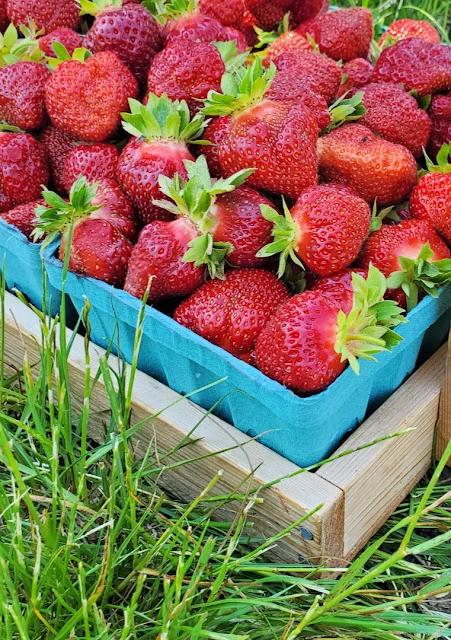
The integration of fresh produce into the diets of backyard poultry has become a central focus for avian health enthusiasts and agricultural hobbyists alike. As the practice of keeping backyard flocks continues to grow globally, research into the suitability of various fruits—specifically strawberries—has provided clear guidelines for owners. Strawberries, belonging to the genus Fragaria, are recognized as a safe and nutritionally dense dietary supplement for chickens, provided they are administered within strict moderation and safety parameters.
Nutritional Composition and Biological Benefits
Strawberries are more than mere caloric filler for poultry; they are biologically complex fruits containing a spectrum of vitamins and minerals essential for avian homeostasis. A standard serving of strawberries provides a high concentration of Vitamin C, which is critical for immune function in birds, especially during periods of environmental stress or heat. Furthermore, the presence of Vitamin K is vital for blood coagulation and skeletal health, while folate and manganese assist in metabolic regulation and eggshell formation.

Beyond these vitamins, strawberries are rich in dietary fiber and antioxidants, such as anthocyanins, which mitigate oxidative stress within the avian body. The inclusion of these compounds in a chicken’s diet can contribute to improved overall vitality, provided that the fruit is treated as a supplement rather than a primary food source.
Chronology of Dietary Recommendations
The transition of strawberries from a "discarded kitchen scrap" to a "targeted nutritional supplement" has evolved over the last two decades. Historically, chicken keepers often fed birds whatever surplus was available from the garden without specific regard for nutritional ratios. However, as agricultural science became more accessible to the backyard sector, the shift toward a "10% rule" emerged.
In the early 2000s, avian nutritionists and agricultural extension offices began formalizing the recommendation that treats should not exceed 10% of a bird’s total daily caloric intake. This guidance was established to prevent the development of nutritional deficiencies that occur when high-sugar, low-protein items displace the balanced, nutrient-dense commercial feed (layer pellets or mash) that is essential for egg production. Modern backyard husbandry now emphasizes the use of strawberry tops, stems, and leaves—parts often discarded by humans—which contain tannins and iron that offer additional digestive benefits.

Supporting Data on Dietary Ratios
To maintain optimal flock health, poultry experts recommend strict portion control. The following data points provide a baseline for responsible feeding:
- Daily Allowance: No more than 1 to 2 tablespoons of fresh strawberries per bird per day.
- Total Diet Composition: Treats, including fruits and vegetables, must be restricted to 10% or less of the total daily intake.
- The 90% Rule: The remaining 90% of the diet must consist of high-quality, balanced poultry feed to ensure the ingestion of necessary proteins, calcium, and amino acids.
- Risk Threshold: Excessive intake of high-fructose foods, such as strawberries, can lead to osmotic diarrhea in chickens due to the fruit’s high sugar content.
Safety Protocols: Mitigating Chemical Exposure
A significant concern for modern poultry keepers is the potential for pesticide and herbicide residue. Strawberries are frequently listed among the "Dirty Dozen" by environmental health organizations due to their propensity for absorbing chemical sprays during the growing process.
For the safety of the flock, it is imperative that all strawberries—whether store-bought or sourced from a local orchard—undergo a thorough cleaning process. Washing the fruit under cold, running water is a baseline requirement. However, for those concerned about systemic pesticides, the move toward organic sourcing or home-cultivation is highly recommended. The development of backyard strawberry patches has become a synergistic practice; growers utilize their own chickens to weed and fertilize the soil (via composted manure), while the chickens gain access to the organic berries and greens.

Analytical Perspective: The Impact of Dietary Variety
The inclusion of strawberries in a diet has broader implications for bird behavior and health. Poultry are natural foragers; providing them with fresh, whole foods like strawberries stimulates their natural pecking and scratching behaviors. This environmental enrichment is essential for reducing stress-related behaviors, such as feather picking or excessive noise, in confined backyard settings.
However, from a metabolic standpoint, the implications are clear: sugar is a concentrated energy source. In a natural, free-range environment, chickens would supplement their diets with insects, seeds, and wild grasses. When a keeper introduces strawberries, they are effectively providing a concentrated burst of simple carbohydrates. If the bird’s activity level is low, this can lead to weight gain, which negatively impacts egg production and increases the risk of heart disease in older hens. Therefore, the "treat" status of the strawberry is a structural necessity for the long-term health of the flock.
Official Guidelines for Implementation
Industry experts, including those specializing in small-scale poultry production, advise that the entire strawberry plant is safe for consumption. This includes:

- The Fruit: The primary source of vitamins and antioxidants.
- The Caps (Calyx): A source of fiber and minor nutrients that are often wasted in human food preparation.
- The Stems and Leaves: These provide structural fiber and trace minerals that aid in digestive transit.
To implement a successful feeding regimen, keepers should observe the following hierarchy of operations:
- Source Verification: Confirm that the berries have not been treated with toxic pesticides.
- Preparation: Rinse thoroughly; remove any moldy or fermented portions, as mold can produce mycotoxins that are highly dangerous to poultry.
- Moderation: Distribute the fruit evenly to avoid "bullying" behaviors within the pecking order. If one bird consumes the entire portion, the resulting digestive issues will be localized to that individual.
Conclusion and Future Outlook
As the backyard chicken movement continues to gain momentum, the dissemination of accurate nutritional data remains paramount. Strawberries are an excellent, safe, and nutritious addition to a chicken’s diet when managed within the established 10% threshold. By treating strawberries as a supplement rather than a staple, keepers can improve the welfare of their flocks while minimizing the risks associated with improper diet.
The long-term health of a backyard flock is a direct reflection of the manager’s ability to balance the natural, opportunistic feeding habits of the chicken with the modern necessity of a controlled, nutritionally balanced diet. As research continues to advance in the field of avian husbandry, the use of fruits like strawberries serves as a prime example of how human dietary practices can safely and effectively overlap with the needs of our domestic animals, provided that scientific guidelines remain the foundation of every care strategy.
