
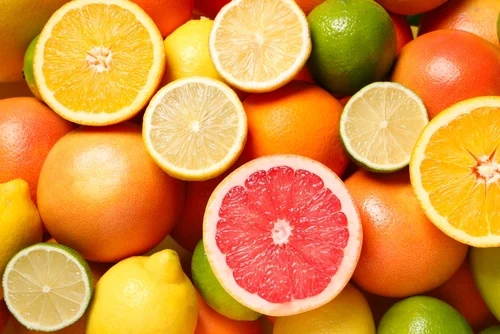
The management of backyard poultry requires a precise understanding of avian nutritional requirements and the potential hazards associated with common kitchen waste. Among the most frequent inquiries from novice and experienced chicken keepers alike is the safety of feeding citrus fruits—such as oranges, lemons, limes, and grapefruits—to their flocks. While small, incidental ingestion of these fruits is rarely fatal, poultry science experts generally advise against their regular inclusion in a chicken’s diet due to physiological concerns regarding calcium metabolism and overall flock health.
The Physiology of Avian Nutrition and Vitamin C
To understand why citrus is generally discouraged, one must first consider the unique biological makeup of the domestic chicken (Gallus gallus domesticus). In human nutrition, citrus fruits are celebrated as primary sources of ascorbic acid, or Vitamin C, which is essential for immune function and collagen synthesis. However, chickens possess the physiological ability to synthesize their own Vitamin C within their kidneys. Because they are biologically self-sufficient regarding this nutrient, the high concentration of Vitamin C found in citrus provides no marginal nutritional benefit to a healthy flock.
The exclusion of citrus from a balanced poultry diet is not merely about the lack of benefits; it is primarily about the potential for physiological disruption. The chemical composition of citrus—specifically the acidity and the presence of certain compounds—has been studied for its potential to interfere with the absorption of essential minerals.

Calcium Metabolism and Eggshell Integrity
The most significant concern regarding the overconsumption of citrus by laying hens is its impact on calcium absorption. Calcium is the foundational mineral required for the formation of the eggshell, which consists primarily of calcium carbonate. A laying hen requires a high-density intake of calcium to support consistent production; if dietary calcium is insufficient or if absorption is inhibited, the bird will mobilize calcium reserves from its own medullary bone tissue.
Scientific literature suggests that certain compounds in citrus, when consumed in significant quantities, may impair the efficiency of the intestinal absorption of calcium. The implications of this are twofold:
- Egg Quality: Hens suffering from impaired calcium absorption often produce eggs with thin, porous, or soft shells. In severe cases, the lack of a protective barrier can lead to the production of "rubber eggs," which are highly susceptible to bacterial contamination, including Salmonella enteritidis.
- Skeletal Health: Chronic calcium depletion leads to a condition known as cage layer fatigue or metabolic bone disease. As the bird leaches calcium from its long bones to compensate for the lack of circulating mineral, the bones become brittle and prone to fracture. This significantly impacts the welfare of the bird, leading to mobility issues and a reduction in overall productivity.
Historical Context and Backyard Poultry Management
The shift toward more evidence-based feeding practices in the backyard poultry sector has been a relatively recent development. As urban and suburban chicken keeping has surged in popularity over the last two decades, the reliance on "kitchen scraps" as a primary food source has come under scrutiny. Historically, homesteaders fed birds whatever was available, but modern veterinary research has demonstrated that poultry require a specialized diet comprising grains, proteins, and supplemental grit to maintain optimal health.
In the mid-20th century, the professionalization of the poultry industry led to the development of standardized feed rations. These rations were formulated to ensure that laying hens receive a precise balance of calcium, phosphorus, and Vitamin D3. The introduction of high-acid, low-nutrient scraps, such as citrus rinds or discarded fruit, acts as a "filler" that dilutes the nutrient density of the commercial feed. When a hen fills its crop with citrus, it consumes less of the nutritionally complete feed, inadvertently creating a caloric and mineral deficit.

Analysis of Dietary Trends and Feeding Patterns
Behavioral studies on domestic fowl indicate that chickens are highly selective feeders when given a diverse array of options. Observations in mixed-run environments reveal that chickens typically avoid citrus fruits when other palatable vegetation is available. This innate avoidance is thought to be an evolutionary defense mechanism against the ingestion of overly acidic or potentially toxic compounds.
However, in confined spaces where dietary choices are limited, chickens may consume whatever is offered by the keeper. The danger arises when owners, attempting to reduce waste, provide a concentrated amount of citrus rinds or pulp. Because the bird lacks the enzymatic pathway to easily process the high acidity and essential oils present in citrus peels, the gastrointestinal tract can experience minor irritation. While a single piece of orange is unlikely to cause a medical emergency, the cumulative effect of a citrus-heavy diet is a measurable reduction in egg production and a decline in the structural integrity of the hen’s skeleton.
Recommended Best Practices for Flock Owners
Poultry nutritionists recommend that scraps should account for no more than 10% of a chicken’s daily intake. The remaining 90% should consist of high-quality, commercially prepared layer feed. If a keeper chooses to provide treats, the following hierarchy of nutrition is suggested:
- Leafy Greens: Spinach, kale, and chard provide essential vitamins and fiber without interfering with mineral absorption.
- Grains and Seeds: Providing oats or sunflower seeds can offer necessary energy, particularly during the winter months.
- Vegetable Scraps: Broccoli, cucumbers, and carrots are generally considered safe and beneficial in moderation.
Conversely, owners should maintain a strict exclusion list. Beyond citrus, this includes raw beans, which contain lectins that are toxic to birds, as well as moldy or fermented kitchen waste, which can lead to fungal infections such as aspergillosis.

Broader Implications for Poultry Welfare
The trend toward "homesteading" and sustainable living has brought thousands of new owners into the fold of chicken keeping. With this growth comes a responsibility to adhere to established veterinary standards. The "myth" that chickens are "living garbage disposals" is a persistent misconception that contributes to preventable health issues in backyard flocks.
Veterinary organizations, such as the American Veterinary Medical Association (AVMA), emphasize that proper nutrition is the primary preventative measure against disease. When owners treat chickens as pets or livestock, they must prioritize the bird’s biological needs over the human desire to dispose of food waste. The case of citrus serves as a useful case study in this regard: while it is not a "poison" in the sense that it will cause immediate, dramatic toxicity, it represents a category of food that is fundamentally incompatible with the long-term health and productivity of the species.
Conclusion: A Science-Based Approach
In summary, while there is no immediate crisis if a chicken happens to peck at an orange slice, it is scientifically sound to remove citrus from the list of appropriate poultry treats. The potential for long-term interference with calcium metabolism and the lack of nutritional return—given the bird’s ability to synthesize its own Vitamin C—renders citrus an unnecessary and potentially counterproductive dietary inclusion.
For those committed to the health and longevity of their backyard flocks, the best approach is to stick to nutrient-dense, safe supplemental foods. By focusing on a diet that supports skeletal health and optimal eggshell formation, owners ensure the vitality of their birds for years to come. In the world of poultry management, as in human health, the quality of what is consumed determines the quality of life, and in the case of citrus, the evidence points clearly toward the compost pile rather than the chicken coop.
