
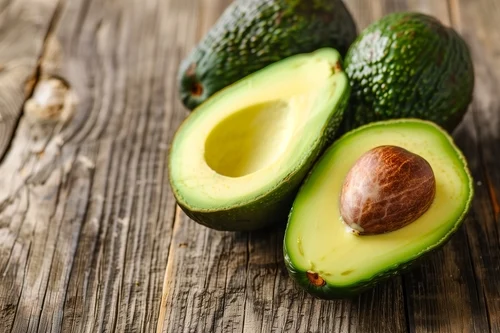
The health and safety of backyard poultry flocks depend significantly on the dietary management of the birds, yet a common culinary staple—the avocado—poses a lethal threat to chickens and a variety of other domestic and wild animals. According to comprehensive data provided by the Merck Veterinary Manual and leading avian pathology experts, all components of the avocado plant, including the fruit flesh, skin, leaves, and stone, contain a fungicidal toxin known as persin. While avocados are highly nutritious for human consumption, their ingestion by chickens, turkeys, and other avian species can trigger rapid, systemic toxicity, often resulting in death within 48 hours of exposure.
The Chemistry of Persin and Avian Toxicity
Persin is a lipid-soluble toxin structurally similar to fatty acids. In the botanical world, it serves as a natural defense mechanism for the Persea americana (avocado) tree, protecting the plant against fungal pathogens. However, when ingested by certain animal species, particularly birds, the toxin is absorbed into the bloodstream, where it causes severe physiological distress.

The mechanism of injury is primarily focused on the cardiovascular and respiratory systems. Once absorbed, persin induces myocardial necrosis—the death of heart muscle tissue. This leads to a cascade of complications, including respiratory distress, pulmonary edema (fluid in the lungs), and congestive heart failure. Because birds have high metabolic demands and delicate respiratory systems, they are uniquely susceptible to the effects of this toxin. Even a minimal amount of the fruit—estimated at as little as five percent of a single avocado—can be enough to prove fatal to a small-bodied bird.
A Chronology of Veterinary Recognition
The recognition of avocado toxicity in animals is not a new development in veterinary science. For decades, practitioners have documented cases of "Persea toxicity" across various species.
In the mid-20th century, as avocado cultivation expanded into more diverse climates, reports of accidental poisonings in livestock began to surface. By the late 1990s and early 2000s, specialized veterinary literature began to formalize the danger to non-mammalian species. Researchers noted that the concentration of persin varies depending on the specific cultivar of the avocado, the maturity of the fruit, and which part of the plant is consumed. While the leaves are widely considered to contain the highest concentration of the toxin, the flesh and the pit are not safe for avian consumption and contain sufficient levels of the toxin to cause acute cardiac events.

Species Susceptibility: Beyond the Flock
While the immediate concern for backyard hobbyists remains the safety of their chickens and turkeys, the scientific literature highlights that the risk extends to a broader range of animals. The Merck Veterinary Manual explicitly lists several species that are highly sensitive to persin poisoning.
Fish, particularly those kept in ponds near overhanging avocado trees, have been documented as casualties when leaves fall into the water supply. Similarly, small mammals such as mice, rats, and guinea pigs exhibit similar symptoms of respiratory failure when exposed to the plant. Larger livestock, including sheep, goats, and horses, are also at significant risk. In horses, the ingestion of leaves often leads to severe edema of the head, neck, and chest, coupled with colic-like symptoms and cardiac arrhythmias.
The variance in susceptibility is a subject of ongoing study. While some mammals, such as dogs and cats, are generally considered to be at a lower risk for fatal toxicity compared to birds, they can still experience gastrointestinal distress and obstruction from swallowing the large, fibrous avocado pits. Consequently, veterinary professionals advise a universal "avoidance policy" for all household pets and livestock.

Clinical Presentation and Diagnostic Challenges
Identifying persin poisoning in a backyard flock requires a high level of vigilance. Because the toxin works rapidly, the window for intervention is extremely narrow.
Initial symptoms in chickens typically manifest as lethargy and a loss of appetite. As the toxin reaches the heart, the birds may display signs of labored breathing, gasping for air, or persistent head shaking. This is often followed by a rapid onset of weakness, the inability to stand, and, in many cases, sudden death.
Diagnostic challenges arise because the symptoms often mimic other common poultry ailments, such as respiratory infections or heat stress. Veterinarians often rely on a clear history of exposure—such as the presence of avocado waste in the coop area or trees nearby—to make a definitive diagnosis. Currently, there is no specific antidote for persin poisoning. Treatment is largely supportive and rarely successful once the animal begins to show clinical signs of cardiac failure. This makes prevention the only viable strategy for maintaining a healthy flock.

Public Awareness and Industry Standards
The rise of the "backyard chicken" movement, which has seen millions of households in urban and suburban areas adopting small flocks, has created a need for standardized educational resources. Organizations like the American Veterinary Medical Association (AVMA) and specialized poultry science departments have worked to disseminate information regarding toxic plants.
Despite these efforts, myths persist in online forums suggesting that "some" chickens can eat avocados without ill effects. Experts caution that these anecdotal reports are dangerous. The variation in toxin concentration—which can change based on the plant’s stress levels, soil quality, and season—means that a chicken might survive one exposure, only to suffer fatal consequences from the next. The scientific consensus remains firm: the potential for a catastrophic, high-mortality event within the flock far outweighs the nutritional benefit of providing the fruit.
Managing Dietary Safety for Backyard Flocks
For those committed to raising poultry, the primary responsibility lies in curating a safe environment. This includes:

- Site Assessment: Surveying the property for the presence of Persea americana trees. If trees are present, they should be fenced off or removed to prevent birds from accessing falling leaves or fruit.
- Waste Management: Ensuring that kitchen scraps are thoroughly screened. Avocados should be discarded in secure, wildlife-proof compost bins that are inaccessible to chickens.
- Education: Informing family members and visitors who may assist with feeding the flock about the dangers of "treats." Often, well-meaning individuals may inadvertently introduce toxic items into the coop.
- Alternative Enrichment: Providing safe, healthy treats that offer behavioral enrichment without the risks associated with toxic plants. Dark leafy greens like kale or Swiss chard, mealworms, and specific kitchen scraps like cucumber or berries are widely recognized as safe alternatives.
Broader Implications for Poultry Welfare
The inclusion of avocados on the list of toxic items is a critical component of biosecurity and animal husbandry. As more households integrate poultry into their domestic lives, the gap between traditional agricultural knowledge and amateur keeping practices must be bridged.
The economic and emotional impact of losing a flock to accidental poisoning is significant. Beyond the loss of the animals, there is the potential for environmental contamination if the toxic plant matter is improperly disposed of. As such, the guidance provided by veterinary manuals serves as a cornerstone for responsible ownership.
By adhering to these evidence-based guidelines, owners can ensure that their flocks remain healthy and productive. The message from the veterinary community is consistent: when in doubt regarding the toxicity of a food item, it is imperative to prioritize the safety of the animals by excluding it from their diet entirely. The case of the avocado serves as a poignant reminder that even natural, healthy foods for humans can be lethal to the avian physiology, necessitating a disciplined approach to avian nutrition.
