
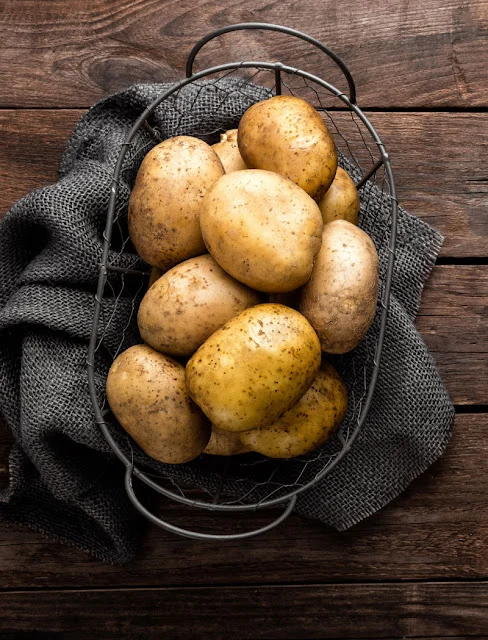
The question of whether potatoes are a suitable dietary supplement for backyard poultry has long been a subject of debate among avian enthusiasts and agricultural experts. While chickens are resilient omnivores capable of consuming a wide array of plant matter, the botanical classification of their food sources is critical to preventing accidental poisoning. The dietary safety profile for chickens varies significantly between white potatoes, sweet potatoes, and yams, necessitating a nuanced approach to flock management.

The Botanical Divide: Nightshades vs. Morning Glories
To understand why some tubers are dangerous while others are beneficial, one must first distinguish between the plant families involved. White potatoes (Solanum tuberosum) are members of the Solanaceae family, commonly referred to as the nightshade family. This botanical group includes tomatoes, peppers, and eggplants. A defining characteristic of many nightshade plants is the production of glycoalkaloids, specifically solanine, which serves as a natural chemical defense mechanism against pests and herbivores.
In contrast, sweet potatoes (Ipomoea batatas) belong to the Convolvulaceae family, or the morning glory family. Despite the nomenclature, they are not biologically related to white potatoes. Yams (Dioscorea), often confused with sweet potatoes in North American grocery stores, belong to the Dioscoreaceae family. This distinction is paramount: the metabolic pathways that render white potatoes toxic to birds do not exist in the same capacity within the sweet potato or true yam families.

The Toxicity of Solanine in White Potatoes
The presence of solanine in white potatoes poses a legitimate health risk to poultry. Solanine is a neurotoxin that acts as a cholinesterase inhibitor. In clinical scenarios involving ingestion by livestock or poultry, solanine interferes with the transmission of nerve impulses, potentially leading to gastrointestinal distress, respiratory difficulties, and, in severe cases of acute exposure, mortality.
Agricultural research suggests that the concentration of these toxins is highest in the green parts of the plant, including the foliage, stems, and any skin that has been exposed to light and turned green. While the flesh of a mature, non-green potato contains lower levels of solanine, the cumulative effect of low-level exposure is a concern for small-bodied animals like chickens.

Contrary to popular belief, simple boiling is rarely sufficient to neutralize solanine. Thermal degradation of these alkaloids requires temperatures significantly higher than those typically reached during standard culinary boiling (212°F or 100°C). Baking at temperatures exceeding 400°F may reduce the concentration of these toxins, but it does not eliminate the inherent risk, leading many avian nutritionists to categorize white potatoes as a high-risk item that should be excluded from a chicken’s diet.
Nutritional Profiles and Benefits of Sweet Potatoes
Sweet potatoes offer a starkly different nutritional profile. They are dense in complex carbohydrates, fiber, Vitamin A (in the form of beta-carotene), Vitamin C, and potassium. For backyard chickens, which require a consistent intake of energy-dense foods to maintain egg production and metabolic health, sweet potatoes function as an effective, safe supplement.

Unlike white potatoes, all parts of the sweet potato plant—including the vines, leaves, and peels—are considered safe for consumption. Providing these as part of a balanced diet can enhance the overall nutritional intake of a flock. However, moderation remains the governing principle. Poultry diets should be primarily composed of high-quality, formulated layer feed, with "treats" or supplements, including vegetables, comprising no more than 10% of their total daily caloric intake.
Understanding Yams and the Need for Preparation
Yams, which are distinct from the sweet potatoes found in the United States, provide a different set of dietary considerations. While they are a valuable source of Vitamin B6, manganese, and fiber, they cannot be fed to chickens in their raw state.

Raw yams contain natural plant proteins and compounds that can be difficult for a chicken’s digestive system to process. Furthermore, yams contain varying levels of oxalic acid. While a staple in many human diets, excessive consumption of oxalates can interfere with calcium absorption in birds. This is particularly concerning for laying hens, as calcium is the primary building block for eggshells. Inadequate calcium levels, whether caused by diet or metabolic interference, can lead to the production of soft-shelled or rubbery eggs. Consequently, yams should always be peeled and thoroughly cooked before being offered to a flock to ensure the neutralization of harmful proteins and the reduction of anti-nutritional factors.
Chronology of Dietary Best Practices
Historically, the integration of human food scraps into poultry diets was common practice, often without a clear understanding of the toxicological risks associated with specific plant families. Over the last two decades, as the backyard chicken movement has gained momentum, veterinary organizations and agricultural extension offices have shifted toward a more science-based approach to poultry health.

- 2000–2010: Increased interest in sustainable, small-scale farming led to a surge in backyard flocks, coinciding with a rise in reports of avian digestive disorders.
- 2010–2015: Educational outreach by agricultural scientists began to clarify the distinction between nightshade-family plants and other root vegetables, formally advising against the use of raw potato peels in kitchen scrap composting for poultry.
- 2015–Present: Modern best practices now prioritize the "10% rule," emphasizing that even safe, nutritious treats should not displace the core nutritional requirements provided by commercial feed.
Analyzing the Risks of Improper Diet
The decision to feed poultry human-grade food requires an assessment of potential long-term impacts. While a single instance of a chicken consuming a small piece of a white potato is unlikely to result in immediate fatality, the cumulative effect of toxin ingestion cannot be ignored. In poultry medicine, "toxic" does not necessarily mean "lethal on contact." Chronic, low-level exposure to alkaloids can result in organ stress, particularly impacting the liver and kidneys, which are responsible for filtering toxins from the blood.
Furthermore, the condition of the food source is paramount. Regardless of the vegetable type, moldy or spoiled produce should never be fed to chickens. Mycotoxins, which are produced by fungi growing on decaying plant matter, are significantly more dangerous to poultry than the trace amounts of toxins found in a fresh, white potato. The presence of mold can lead to rapid respiratory failure and severe illness within a flock, underscoring the necessity of strict food quality control.

Practical Implications for Flock Management
For the average flock owner, the most prudent strategy involves a strict policy of exclusion regarding white potatoes. By removing this variable from the diet entirely, owners eliminate the risk of accidental exposure to solanine. Sweet potatoes, conversely, represent an excellent dietary addition that can be grown in gardens or sourced from organic grocers.
When introducing any new food item, it is recommended that the poultry keeper observe the flock for signs of digestive upset, such as changes in stool consistency or a decrease in appetite. Because chickens are prone to "selective eating," they may prioritize high-calorie treats over their nutritionally complete feed if allowed to do so. Therefore, the strategic delivery of vegetables—whether it be raw sweet potato scraps or cooked yams—should be monitored to ensure the overall balance of the diet remains intact.

In summary, while the botanical world offers a wide array of options for supplementing a chicken’s diet, the distinction between plant families is a matter of both health and longevity. By focusing on safe, nutrient-dense options like sweet potatoes and avoiding the unnecessary risks associated with nightshade tubers, flock owners can ensure that their birds remain healthy, productive, and well-nourished throughout their lives. Following these established guidelines not only prevents unnecessary veterinary issues but also optimizes the quality of the eggs produced for human consumption.
