
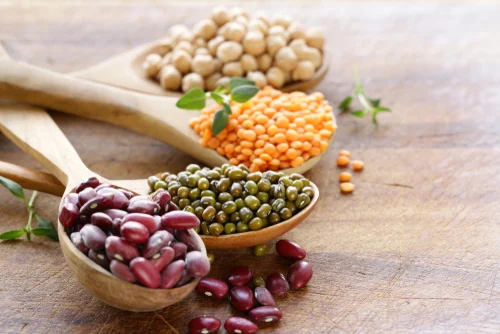
The question of whether backyard poultry can safely consume dried beans is a critical matter of animal welfare and food safety that has long been misunderstood by novice and experienced chicken keepers alike. The short answer is an emphatic no: raw, dried beans contain a potent toxin known as phytohaemagglutinin, or lectin, which serves as a natural defense mechanism for the plant but acts as a dangerous insecticide and toxin when ingested by humans and animals, including chickens. The biological risks associated with the ingestion of these legumes are severe, with the potential for fatal outcomes even in minute quantities.
The Biological Mechanism of Toxicity
Phytohaemagglutinin (PHA) is a type of lectin, a protein that binds to carbohydrates. In the botanical world, lectins function as a chemical barrier against pests, fungi, and bacteria. When consumed by a bird, however, these proteins bind to the lining of the digestive tract. This binding process interferes with the absorption of nutrients and causes systemic distress.

For chickens, the impact is rapid and severe. Upon ingestion, the toxin triggers a cascade of gastrointestinal distress, characterized by extreme nausea, projectile vomiting, and acute diarrhea. The physiological impact is so significant that the consumption of as few as three to four raw, dried beans can prove fatal to an average-sized adult chicken. The mortality rate associated with PHA poisoning is high, and clinical signs of distress often appear within hours of consumption. Because chickens are prone to foraging, they may accidentally ingest spilled beans in a farm environment, making the containment and storage of these items a vital component of flock management.
Historical Context and Modern Agricultural Practices
The presence of lectins in legumes is a well-documented scientific fact that has informed human culinary practices for centuries. Historical evidence suggests that traditional agricultural societies recognized the danger of consuming raw legumes, leading to the development of sophisticated soaking and boiling methods to neutralize toxins. Despite this historical knowledge, the rise of the backyard poultry movement has introduced a cohort of new keepers who may not be familiar with the chemical properties of common kitchen staples.
In recent years, agricultural extension services have emphasized the importance of feed quality. Poultry nutritionists highlight that while chickens are omnivorous and opportunistic feeders, their digestive systems are not equipped to handle the high concentrations of raw anti-nutritional factors found in legumes like kidney, navy, pinto, or black beans. The transition from industrial commercial feeds—which are strictly regulated and tested for toxic content—to a diet supplemented by kitchen scraps has created an environment where accidental poisoning is a recurring, albeit preventable, risk.

Chronology of Digestive Distress
The timeline of PHA poisoning in poultry is swift, necessitating immediate intervention if ingestion is suspected.
- Exposure (0–2 hours): The chicken ingests the raw, dried beans. At this stage, the toxin begins to bond with the intestinal mucosa.
- Early Symptoms (2–6 hours): The bird may display signs of lethargy, ruffled feathers, and a loss of appetite.
- Acute Phase (6–12 hours): The onset of severe diarrhea and vomiting occurs. The bird may struggle to maintain its balance, and respiratory distress may become evident.
- Critical Outcome (12–24 hours): Without medical intervention, the extreme dehydration and intestinal damage often lead to collapse and death.
Analysis of Safe Preparation Methods
The primary method for neutralizing phytohaemagglutinin is through the application of sustained, high-intensity heat. Simply soaking beans, while effective for some varieties, is often insufficient to fully denature the lectins in others.
- Soaking: Soaking beans for 12 to 24 hours in water significantly reduces the lectin content. However, this water must be discarded, as it will contain the leached toxins. The beans must then be rinsed thoroughly with fresh water.
- Boiling: Boiling is the only reliable method for complete detoxification. Research indicates that beans must be boiled at a temperature of at least 100°C (212°F) for a minimum of 10 to 30 minutes to render the PHA inactive. Under-cooking—specifically at low temperatures like those found in slow cookers—can actually increase the toxicity of the lectin by up to five times, as the heat is insufficient to destroy the protein but enough to release it from the bean matrix.
- Sprouting: While some enthusiasts argue that sprouting neutralizes toxins, this process is unreliable for high-risk beans like kidney beans. The risk-to-reward ratio is unfavorable, and it is widely recommended that owners avoid feeding sprouted beans unless they have been subjected to rigorous heat treatment afterward.
Guidelines for Feeding Canned and Fresh Legumes
The poultry-keeping community often confuses dried beans with other members of the legume family. It is essential to distinguish between these categories to ensure a balanced and safe diet for the flock.

Canned Beans: Canned beans are generally safe for consumption because the industrial canning process involves high-pressure heat sterilization, which effectively destroys the lectins. However, a significant caveat remains: sodium content. Most canned products are packed in brine, which is detrimental to the cardiovascular health of chickens. Poultry keepers are advised to rinse canned beans under cold running water for several minutes to remove as much sodium as possible and to provide them only as an occasional treat rather than a primary food source.
Fresh Legumes: Fresh green beans, sugar snap peas, and Lima beans are entirely safe and offer a nutritious addition to a chicken’s diet. These plants do not possess the concentrated levels of raw, dried lectins that represent a danger to the bird. They can be fed raw, provided they are chopped into manageable pieces to prevent choking hazards.
Broader Implications for Flock Management
The implications of these findings for the backyard poultry industry are clear: education regarding toxic substances must be prioritized. As urban and suburban farming continues to grow, the reliance on human-provided kitchen scraps as a feed supplement will likely increase.

Veterinary professionals and poultry experts advocate for a "when in doubt, leave it out" policy. The metabolic cost of a chicken attempting to process toxic compounds is high, and even if the bird survives an accidental ingestion, the sub-lethal damage to its digestive lining can have long-term consequences on egg production and immune function.
Furthermore, the responsibility of the owner extends to the storage of feed components. Dried beans, whether intended for human consumption or for planting, should be stored in rodent-proof and bird-proof containers. Chickens are highly inquisitive animals and will investigate any spills in the coop or run. Prevention of access is the most effective form of safety management.
Summary of Best Practices
To maintain a healthy flock, keepers should adhere to the following protocols:

- Never offer raw, dried beans. This includes all varieties of common dried legumes.
- Prioritize heat treatment. If beans are to be fed, they must be soaked and then boiled thoroughly. Avoid the use of slow cookers for this purpose.
- Monitor the source of treats. If providing canned goods, ensure the product is free of additional additives like onions, garlic, or excessive salt, all of which pose their own risks to poultry.
- Encourage natural foraging. Provide access to safe greens, such as kale, lettuce, and fresh peas, which provide enrichment without the risks associated with raw, dried legumes.
By adhering to these science-backed safety standards, poultry keepers can ensure that their flocks remain healthy, productive, and free from the preventable dangers posed by common household food items. The goal of any successful flock management program is to mimic natural dietary habits while mitigating the risks inherent in the domestic environment. Through awareness and careful preparation, the nutritional benefits of legumes can be safely incorporated into the diet of backyard chickens without compromising their well-being.
