
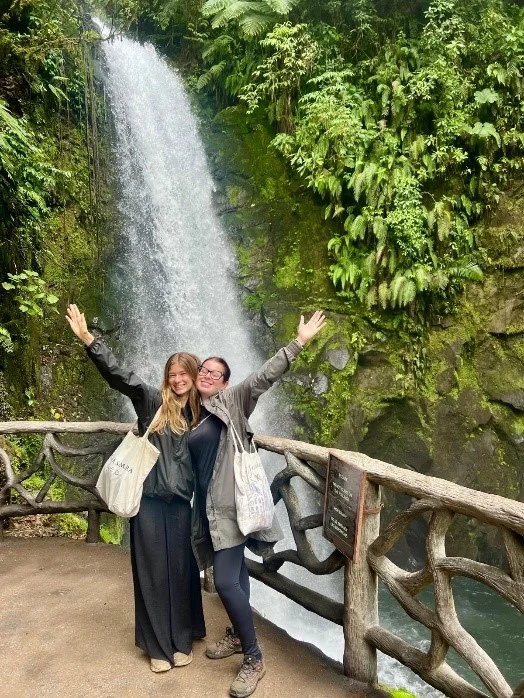
The global trade in exotic pets, habitat fragmentation, and the escalating encroachment of urban development upon neo-tropical ecosystems continue to pose severe threats to Costa Rica’s rich biodiversity. Amid these escalating environmental pressures, wildlife rescue and rehabilitation centers serve critical roles as triage units and sanctuaries for injured, orphaned, and confiscated fauna. Among these institutions, the Toucan Rescue Ranch (TRR), situated just outside San José, stands as a prominent model of comprehensive animal welfare, veterinary medicine, and ecological education. For two months, international volunteer Kim Schafroth embedded herself within the daily operations of this renowned organization, bridging the gap between hands-on animal husbandry and institutional communications. Her tenure offers a revealing look into the methodical, demanding, and deeply transformative reality of wildlife rehabilitation in Central America.
Institutional Background and the Critical Role of Wildlife Sanctuaries
Founded to mitigate the impact of illegal wildlife trafficking and anthropogenic injury, the Toucan Rescue Ranch operates at the intersection of emergency veterinary care, long-term rehabilitation, and environmental advocacy. Costa Rica boasts approximately 5% of the world’s biodiversity, making its wildlife a focal point for both ecotourism and illicit trafficking. Species ranging from keel-billed toucans and spider monkeys to nocturnal mammals like kinkajous and porcupines frequently fall victim to electrocutions from power lines, vehicle collisions, illegal pet trade seizures, and habitat loss.
Rescue facilities like TRR function under strict governmental oversight, working in tandem with the Ministry of Environment and Energy (MINAE) to receive displaced animals. While the ultimate objective for many patients is successful rehabilitation and release back into the wild, a significant percentage of intake animals suffer from permanent physical or behavioral impairments that preclude reintroduction. For these individuals, sanctuaries provide lifelong care, specialized diets, and enriched environments that mimic natural habitats as closely as possible. Volunteers and interns form the operational backbone of these facilities, executing the labor-intensive daily routines required to maintain high standards of animal welfare.
The Daily Rhythm of Animal Care and Sanctuary Operations
Life at the Toucan Rescue Ranch begins well before dawn, establishing a rigid, highly synchronized schedule designed to meet the precise physiological and nutritional needs of hundreds of resident and rehabilitating animals. Schafroth’s daily routine commenced sharply at 7:00 a.m. with an inter-departmental briefing. Staff, interns, and volunteers convene to review overnight developments, assess the medical status of incoming or vulnerable patients, and delegate operational priorities for the day.
Following the morning briefing, the workforce splits into specialized functional units. Kitchen teams initiate the complex culinary preparation required for diverse species. Avian diets demand meticulous precision, involving the sorting, washing, and dicing of a vast array of tropical fruits tailored to the specific dietary requirements of toucans, parrots, and hummingbirds. Simultaneously, field teams service the sanctuary enclosures, executing essential biosecurity protocols, cleaning water trays, and inspecting perimeters for safety and structural integrity.
Dietary preparation extends far beyond simple feeding; it is an exercise in applied zoological nutrition. Primates and small mammals such as grisons receive complex, colorful plates containing varied combinations of vegetables, leafy greens, and specialized proteins to prevent nutritional deficiencies. Later in the morning, animal care personnel administer specialized feeding regimens to individual residents. For instance, Emma, a resident North American river otter, receives a scheduled allocation of fresh trout. True to her species’ foraging instincts, Emma routinely retrieves her food from feeding trays to submerge and manipulate it within her dedicated pool, providing both physical enrichment and behavioral expression.
As the morning progresses, enrichment activities take center stage. Maintaining psychological well-being in captive or semi-captive wildlife is paramount to preventing stereotypic behaviors and chronic stress. Volunteers construct complex foraging puzzles, such as fruit-laden artificial trees for avian species, banana-leaf tamales packed with specialized treats for mammals, and frozen fruit juice blocks designed to help animals thermoregulate during intense tropical sun exposure. Midday brings a communal lunch featuring the traditional Costa Rican casado—a balanced meal of rice, beans, proteins, salads, and plantains—fostering cross-cultural exchange and camaraderie among an international contingent of conservationists.
Afternoon Protocols and the Care of Nocturnal Species
The afternoon shift shifts focus toward secondary feedings, medical observations, and the specialized care required for crepuscular and nocturnal fauna. As diurnal species receive their final rations of the day, animal care teams turn their attention to residents that remain largely inactive during daylight hours. Kinkajous, porcupines, and pacas are coaxed into activity through the delivery of their afternoon meals, granting veterinary and care staff a crucial window to visually inspect their mobility, body condition, and overall health status.
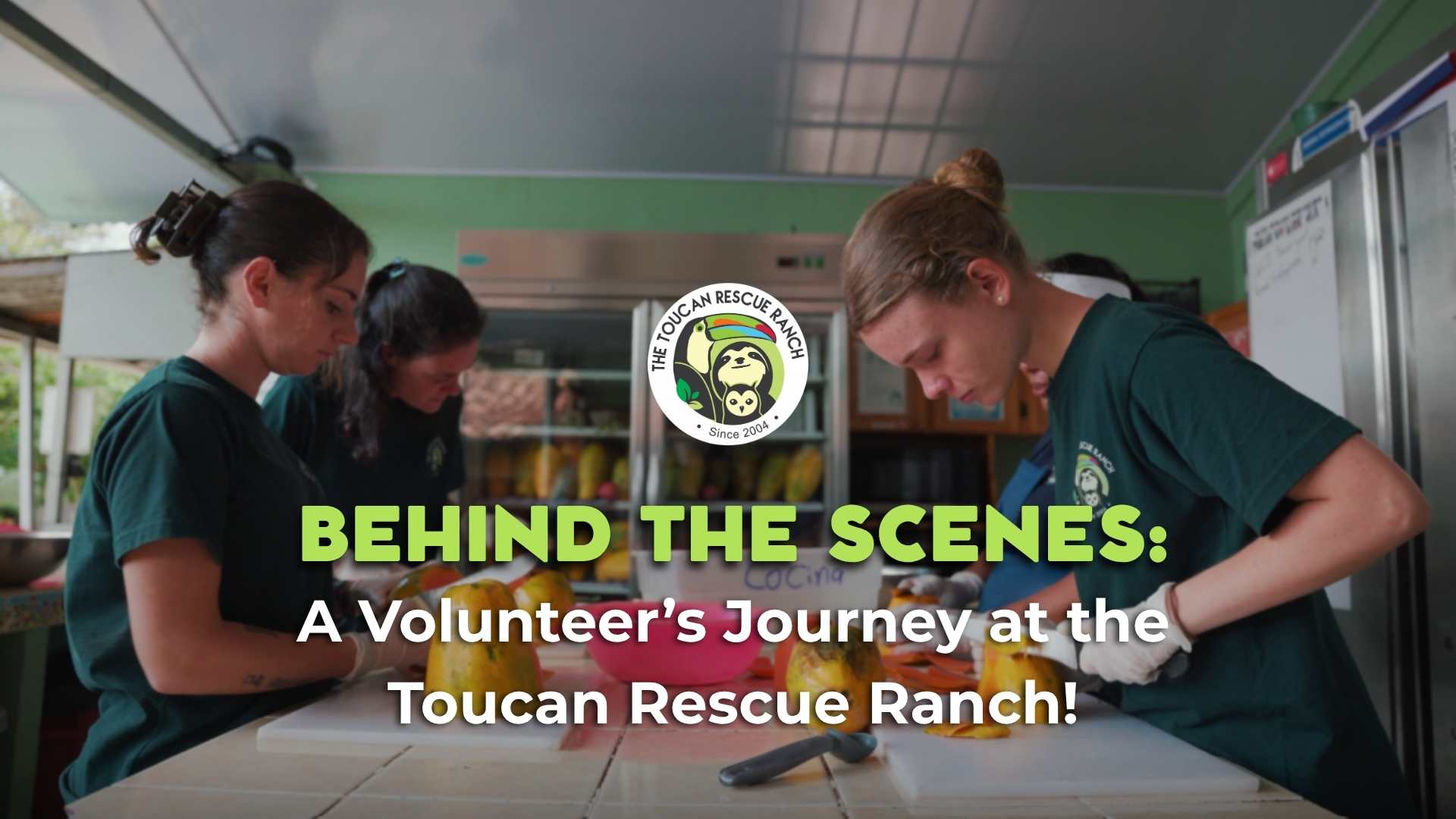
The final operational hours of the day mirror the morning’s efficiency drive. While one faction of the volunteer corps manages the feeding of resident raptors, remaining personnel systematically sanitize enclosure floors, collect and sterilize stainless steel food trays, and secure facilities for the night. This relentless cycle of cleaning, preparation, and feeding underscores the physical demands placed upon volunteers, challenging romanticized notions of wildlife work with the rigorous reality of facility maintenance and sanitation.
Community Living and the Volunteer Infrastructure
Operating a continuous rescue and rehabilitation facility requires a robust support infrastructure for its human capital. Situated mere minutes from the ranch’s primary headquarters, the dedicated volunteer house accommodates the international contingent of interns, researchers, and animal care assistants.
Structured across two distinct levels, the residence is designed to balance communal engagement with personal respite. The ground floor features a shared dormitory setup alongside communal bathroom facilities, a central kitchen, and a living area where participants gather to cook, debrief, and study. The upper level houses additional quarters primarily designated for long-term interns. This shared living arrangement fosters a supportive micro-community, easing the transition for foreign nationals adapting to a new cultural and linguistic environment. In their off-hours, volunteers frequently utilize proximity to urban centers like San José, exploring local gastronomy, cinema, and cultural landmarks, thereby balancing the intense emotional and physical labor of wildlife conservation with healthy social outlets.
Academic Integration and Professional Development
For many participants, volunteering at the Toucan Rescue Ranch transcends basic animal husbandry, serving as a vital bridge between theoretical academic study and practical field experience. Schafroth’s tenure exemplifies this multidisciplinary approach. After dedicating her initial weeks entirely to the Animal Care Team—where she acquired foundational skills in species identification, behavioral observation, and the strict protocols required when handling wild animals—she transitioned during her final month into the ranch’s Marketing and Communications Department.
This strategic shift allowed her to apply her academic background in communications directly to conservation advocacy. By documenting rescue operations, drafting educational outreach materials, and analyzing public engagement metrics, Schafroth contributed to the institution’s broader mission of public awareness. Wildlife conservationists increasingly emphasize the necessity of effective public communication, noting that institutional survival and policy reform rely heavily on public education regarding the threats of illegal wildlife trafficking and habitat destruction.
Broader Implications for Global Wildlife Conservation
The experiences documented by volunteers at facilities like the Toucan Rescue Ranch highlight a broader, systemic challenge facing modern conservation biology. The influx of injured and displaced wildlife is a direct symptom of anthropogenic pressures, signaling ongoing environmental degradation across Mesoamerica. As urban boundaries expand and agricultural frontiers push deeper into primary and secondary forests, human-wildlife conflicts will inevitably intensify.
Institutions operating on the front lines absorb the immediate biological cost of these systemic issues, relying heavily on the financial contributions, labor, and advocacy of international volunteers and donors. The skills disseminated through these programs—ranging from veterinary triage and behavioral enrichment to public relations and environmental education—create a distributed network of informed advocates. Upon returning to their home countries, volunteers disseminate institutional knowledge, shifting public perceptions regarding exotic pet ownership, ecotourism ethics, and biodiversity preservation.
Ultimately, while sanctuaries provide essential life support for casualties of human encroachment, conservation experts stress that long-term ecological stability depends on rigorous law enforcement against wildlife trafficking, enhanced land-use planning, and the preservation of contiguous forest corridors. Until these systemic reforms are fully realized, facilities such as the Toucan Rescue Ranch, sustained by the tireless efforts of global volunteers, remain an indispensable safety net for Costa Rica’s irreplaceable natural heritage.
