
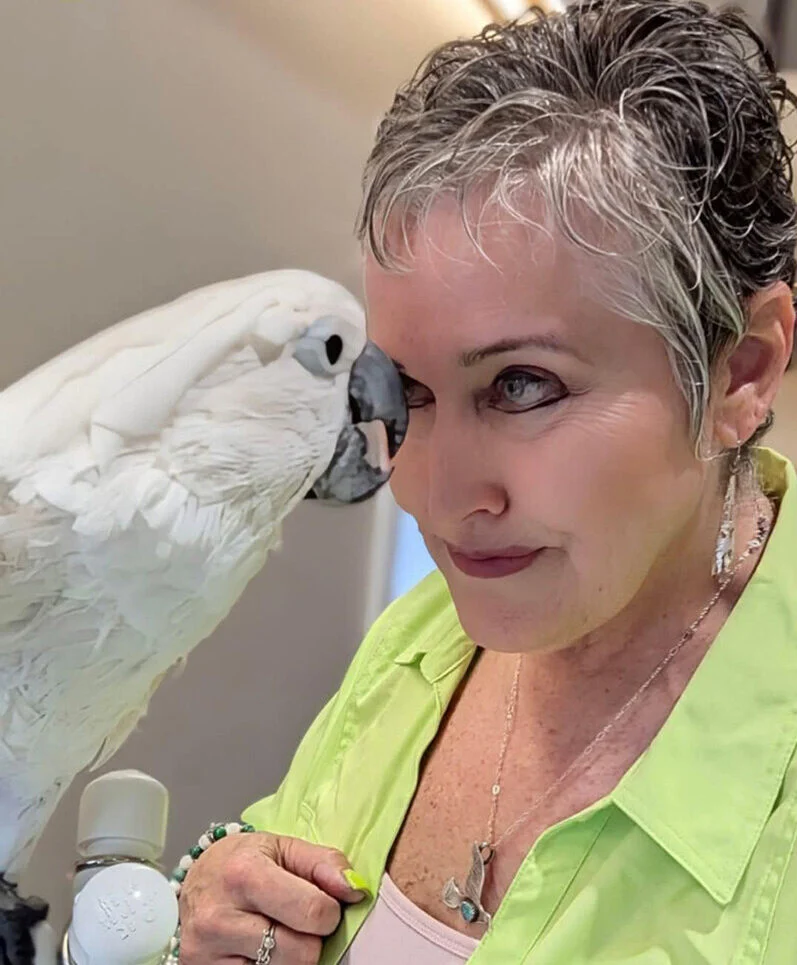
The landscape of animal-assisted therapy has long been dominated by canine and equine partners, but a historic milestone in 2026 has expanded the public’s perception of interspecies healing. Boo, a 41-year-old umbrella cockatoo, has become the first avian recipient of the prestigious Pet Partners Pet of the Year award. This recognition follows a decade of recovery from severe neglect, a landmark surgical procedure that restored his sight, and a subsequent transition into a life of dedicated service. The story of Boo and his owner, Amy Hurst, serves as a testament to the resilience of animals and the profound, quantifiable impact that emotional support animals can have on human health and well-being.
The Evolution of Animal-Assisted Interventions
Support animals play an increasingly vital role in modern mental health and rehabilitation strategies. According to recent data, approximately 18% of pet owners rely on their animals to navigate complex emotional or life challenges. The therapeutic mechanism behind this connection is rooted in the "biophilia hypothesis," which suggests that humans possess an innate tendency to seek connections with nature and other forms of life.
When humans interact with animals, the body experiences a reduction in cortisol levels—the primary stress hormone—and an increase in oxytocin, a neurotransmitter associated with bonding and relaxation. Organizations such as Pet Partners, a nonprofit based in Bellevue, Washington, have formalized these interactions. By registering volunteer animal-handler teams, they provide structured interventions for individuals suffering from anxiety, depression, post-traumatic stress disorder (PTSD), and physical disabilities. The efficacy of these programs is well-documented in clinical settings, where therapy animals have been shown to lower blood pressure, improve heart rate, and accelerate patient recovery in stroke and post-operative units.
A Chronology of Recovery: The Journey of Boo
Boo’s life journey is divided into two distinct chapters: the years of darkness caused by human cruelty and the subsequent decade of restoration and service. Rescued from an environment of severe abuse and neglect, Boo arrived in his current home with significant physical and psychological trauma. Most notably, the neglect resulted in the loss of his vision, leaving him effectively blind for ten years.
For a bird, which relies heavily on visual cues for environmental navigation and social interaction, blindness is a profound disability. However, the bond formed between Boo and Amy Hurst proved to be the catalyst for his rehabilitation. Hurst’s commitment to his care ensured that Boo remained engaged and secure despite his limitations.
In a groundbreaking veterinary development, Boo underwent surgery to restore his sight. The procedure, which was previously documented in the veterinary community, marked a turning point in his life. The successful restoration of his vision did more than improve his physical mobility; it provided him with the confidence necessary to transition from a rescued pet to a service animal. Once accustomed to his new visual reality, Boo began his formal training to become a registered therapy animal, leveraging his unique history to connect with others who, like him, have navigated the challenges of disability.
The 2026 Pet of the Year Distinction
The Pet Partners Pet of the Year award is not merely a symbolic gesture; it is a recognition of the tangible impact an animal has on its community. In 2026, the selection process reached new levels of engagement, with the campaign raising $158,275 to support the organization’s mission. These funds are designated for the training and registration of new therapy teams, ensuring that more individuals in need can access animal-assisted interventions.

Boo’s victory is particularly significant because he is the first bird to receive the title. His win highlights the versatility of therapy animals. While dogs are the most common therapy animals due to their social nature and trainability, the inclusion of an umbrella cockatoo demonstrates that intelligence, temperament, and the capacity for empathy are the true requirements for therapeutic success. As a species, cockatoos are known for their high cognitive function and complex social structures, traits that Boo utilizes effectively during his therapy sessions.
Therapeutic Scope and Community Impact
Today, Boo’s work spans several critical areas of human health. As a registered Pet Partners team, he and Hurst work with:
- Autism Spectrum Support: Boo provides a calm, sensory-focused presence that helps individuals on the autism spectrum practice social interaction in a low-pressure environment.
- Youth Engagement: Through visits to community centers and schools, he serves as an educational ambassador, teaching children about compassion and the history of rescue animals.
- Physical Rehabilitation: Boo participates in hand therapy sessions, where his presence encourages patients to engage in fine-motor skill exercises that might otherwise be monotonous or painful.
- Stroke Recovery: In hospital settings, his interaction is used to stimulate cognitive responses and provide emotional comfort to patients navigating the often-frustrating path of post-stroke recovery.
The implications of Boo’s work are profound. By acting as a bridge between the animal world and human healthcare, he challenges the traditional boundaries of what constitutes a "therapy animal." His presence in a room often acts as a conversation starter, lowering barriers for patients who may be resistant to traditional clinical therapy.
Analysis: The Future of Interspecies Therapy
The success of the Boo and Amy Hurst partnership underscores a shifting paradigm in animal-assisted interventions. Experts in human-animal interaction (HAI) are increasingly focusing on the quality of the bond rather than the breed of the animal. As urban environments continue to limit space for larger therapy animals, the rise of well-trained, non-traditional therapy animals like Boo suggests a more inclusive future for the field.
However, this work also requires rigorous standards. The Pet Partners registration process is stringent, ensuring that only animals with the appropriate temperament—those who remain calm under stress and show genuine interest in human interaction—are permitted to visit clinical environments. Boo’s success confirms that even animals with histories of trauma can, with the right support, reach a level of social maturity that allows them to provide comfort to the most vulnerable members of society.
Furthermore, the financial success of the 2026 Pet of the Year campaign—totaling over $158,000—indicates that the public is highly invested in these initiatives. This funding is critical for sustaining the infrastructure required for animal-assisted therapy, including liability insurance, standardized training protocols, and outreach to hospitals and residential care facilities.
A Legacy of Resilience
As Boo continues his work, his story remains a poignant reminder of the cycle of recovery. Having been the recipient of specialized care, he now serves as a caregiver himself. For Amy Hurst, the award represents the culmination of years of tireless advocacy for Boo’s well-being. Her dedication has not only saved an animal but has extended the reach of his healing influence to countless others who, like Boo, are working to overcome their own adversities.
The recognition of Boo by Pet Partners serves as a benchmark for future therapy animal programs. It broadens the scope of what is possible and highlights the importance of empathy, patience, and professional training in the field of animal-assisted therapy. As the sector grows, the story of this umbrella cockatoo will likely be cited as a seminal moment in the history of therapy animals, proving that even the most fragile lives can become powerful instruments of hope and healing. The professional community continues to observe these interactions with interest, anticipating that more diverse species may soon be recognized for their vital contributions to public health.
