
The Teshekpuk Lake region, located within the National Petroleum Reserve-Alaska (NPR-A), represents one of the most ecologically significant yet vulnerable landscapes in the Northern Hemisphere. Stretching across the Western Arctic, this expansive network of wetlands and tundra serves as a critical breeding ground for millions of migratory birds that traverse diverse flyways annually. Recent expeditions to this remote area highlight the intersection of climate instability, industrial pressure, and the existential necessity of habitat conservation. As the Arctic continues to warm at a rate nearly four times faster than the global average, the preservation of Teshekpuk Lake has evolved from a regional land-management issue into a central pillar of international conservation strategy.
The Ecological Significance of the Western Arctic
Teshekpuk Lake is the largest lake in Arctic Alaska and the centerpiece of a wetland complex that is vital to the life cycles of numerous avian species. Each spring, the region undergoes a rapid, high-stakes transition. As the snowpack recedes, the exposed tundra provides essential nesting sites for species ranging from the Pacific Black Brant and the Greater White-fronted Goose to a variety of shorebirds and raptors.
Data from the U.S. Fish and Wildlife Service indicates that the Teshekpuk Lake area supports a significant percentage of the global population of several migratory species. The lake’s unique hydrology—characterized by shallow basins and complex drainage patterns—creates a high-productivity environment where insect hatches coincide precisely with the arrival of nesting birds. This biological synchronicity is the foundation of the Arctic food web. However, shifts in the timing of the annual thaw, driven by a changing climate, have begun to disrupt these long-established patterns. When the thaw is delayed or inconsistent, the window for successful nesting narrows, directly impacting population recruitment rates across the entire Pacific Flyway.
Chronology of Conservation Efforts
The debate over the protection of the Teshekpuk Lake area dates back decades, rooted in the competing interests of resource extraction and environmental stewardship.
- 1923: The National Petroleum Reserve-Alaska (NPR-A) was established by executive order to serve as a strategic oil supply for the U.S. Navy.
- 1970s–1980s: Biological surveys identified the area surrounding Teshekpuk Lake as a critical calving ground for the Teshekpuk Caribou Herd and a globally important area for migratory waterfowl.
- 1998: The Bureau of Land Management (BLM) began formalizing management plans that attempted to balance oil and gas leasing with the protection of migratory bird habitats.
- 2013: A Record of Decision was finalized, providing significant protections for over half of the NPR-A, including a massive block of land around Teshekpuk Lake deemed vital for caribou and avian populations.
- 2023–2024: Recent federal administrative actions have moved to further solidify these protections, citing the urgent need to mitigate the impacts of climate change on sensitive Arctic ecosystems.
The evolution of these policies reflects a broader shift in federal land management, moving away from a primary focus on resource extraction toward a multi-use framework that prioritizes ecological resilience in the face of warming temperatures.
The Human Perspective: Bridging the Boardroom and the Tundra
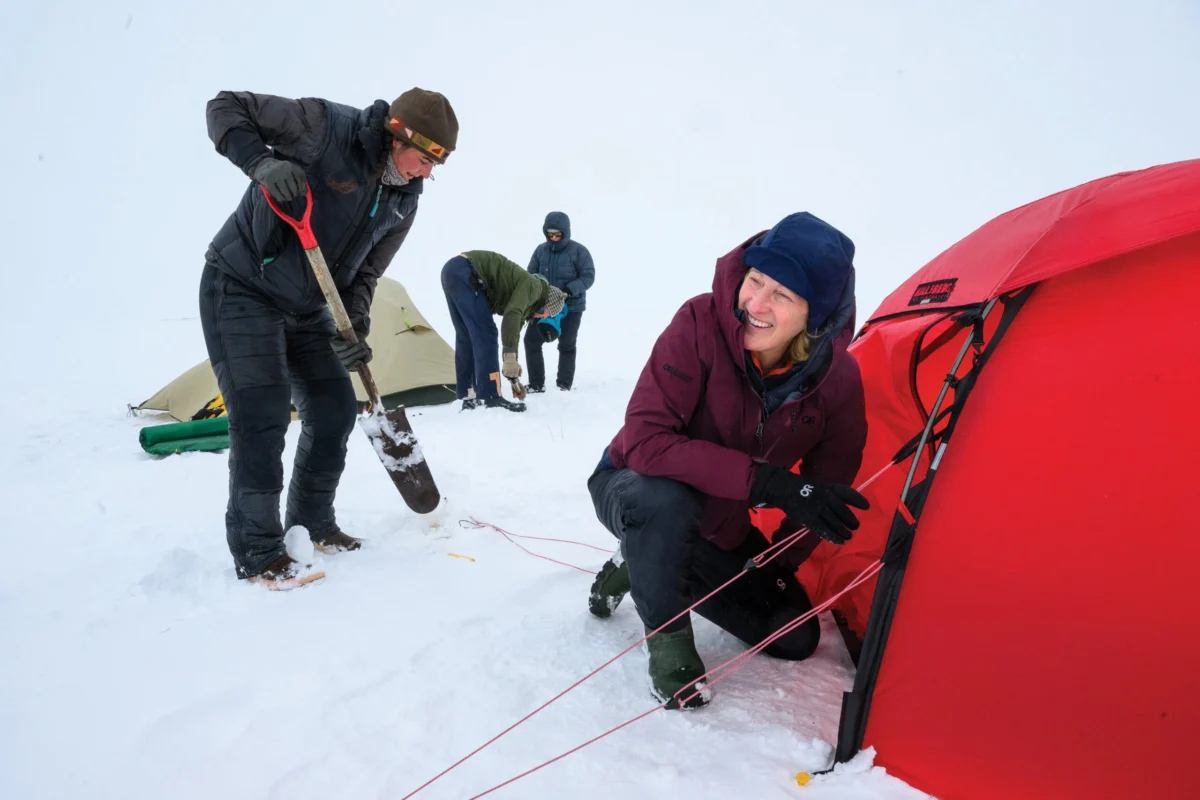
For organizations like the National Audubon Society, the physical experience of the Arctic is essential to informing policy. When leadership transitions from the analytical environment of boardrooms and legislative advocacy to the harsh, unforgiving reality of the tundra, the stakes of the work become tangible.
Recent field observations in the Western Arctic underscore the extreme conditions that define the region. Despite arriving during the expected spring season, expeditions often encounter a landscape still held in the grip of winter. This sensory experience—the biting wind, the reflection of the sun off the ice, and the profound silence—serves as a stark reminder of the "essentials" required for survival in the Arctic. The presence of nearly 30 species of birds in a span of just three days during the shoulder season serves as empirical evidence of the area’s high biological density. These observations corroborate long-term scientific data: Teshekpuk Lake is not merely a geographic feature but a vital node in a hemispheric network of life.
Scientific Implications of a Changing Climate
The implications of habitat loss in the Arctic are not contained by international borders. Birds that breed at Teshekpuk Lake travel thousands of miles, crossing multiple national jurisdictions. Consequently, the degradation of this singular location creates a "cascade effect" that affects the ecological health of urban parks, coastal marshes, and agricultural lands far to the south.
Climate models suggest that the "Arctic amplification" effect will continue to alter the region’s hydrology. As permafrost thaws, the underlying topography of the tundra is changing, potentially altering the drainage patterns that feed the lake. Furthermore, the encroachment of woody shrubs into previously open tundra threatens to change the nesting behavior of ground-dwelling birds.
Research published by the Audubon Society and other environmental groups emphasizes that "bending the bird curve"—a strategy aimed at halting and reversing the decline of bird populations—requires protecting "climate refugia." Teshekpuk Lake is identified as one such refuge. By securing these landscapes today, conservationists hope to provide the stability necessary for species to adapt to the environmental stressors of the coming century.
Official Responses and Policy Trajectory
The policy landscape remains contentious. Industry stakeholders argue that limited, responsible resource development within the NPR-A can coexist with environmental protections. Conversely, conservation groups and many Indigenous communities argue that the ecological risks are too high and that the intrinsic value of the Arctic, as a carbon sink and a biological nursery, must supersede short-term economic gains.
In recent legislative sessions, the conversation has centered on the "Special Areas" designation within the NPR-A. These designations are intended to provide enhanced protections for wildlife and subsistence resources. Proponents of robust protection argue that the Special Areas represent a baseline of integrity that cannot be compromised. Opponents, meanwhile, cite the strategic importance of energy security.
The consensus among federal scientists, however, is increasingly focused on the cumulative impact of industrial development. Studies suggest that even if individual projects appear benign, the combined effect of infrastructure (roads, pipelines, and noise) creates a "disturbance footprint" that can displace sensitive wildlife and disrupt migratory pathways that have existed for millennia.
Broader Impact: A Call for Global Stewardship
The lesson of Teshekpuk Lake is that the Arctic is not a distant, disconnected wilderness. It is an integral component of a global system. The birds that arrive in the spring carry the ecological health of the Arctic into every community they visit during their migration.
For the general public, the mandate is clear: the protection of these landscapes does not require physical presence in the Arctic, but it does require a commitment to a broader vision of conservation. This involves supporting policies that prioritize habitat connectivity, funding long-term biological research, and acknowledging that the health of local environments is inextricably linked to the preservation of remote wilderness areas.
As the global community faces the dual challenges of biodiversity loss and climate change, the story of Teshekpuk Lake serves as a template for future conservation efforts. It reminds us that the most significant decisions regarding the future of the planet are often made in remote, quiet, and frozen places, where the basic mechanics of life are being tested by a changing world. Protecting these areas is not only a matter of scientific necessity but a moral commitment to the integrity of the natural world for generations to come.
