
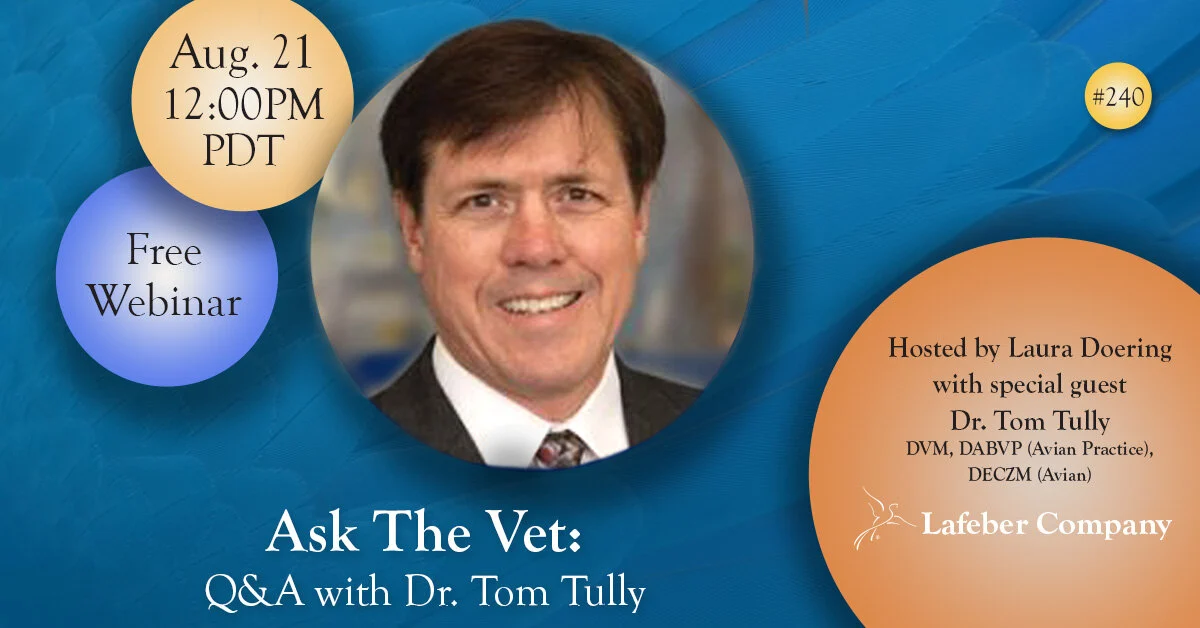
The landscape of avian healthcare is poised for a significant intersection of professional expertise and public accessibility on Friday, August 21, 2026, as Dr. Tom Tully, a world-renowned avian veterinarian, headlines a live, interactive webinar. Moderated by Laura Doering, the former editor of both Bird Talk and Birds USA magazines, the event represents a concerted effort to bridge the communication gap between specialized veterinary medicine and the growing community of avian enthusiasts. Scheduled for 12:00 p.m. PDT, the session serves as a high-level educational forum aimed at providing evidence-based insights into the complex medical and behavioral needs of pet birds, particularly psittacines.
The Evolution of Avian Veterinary Care
The history of avian medicine has undergone a radical transformation over the past three decades. Historically, birds were treated by general practitioners who lacked specific training in exotic animal physiology. Today, the field is governed by rigorous standards of board certification. Dr. Tom Tully, DVM, DABVP (Avian Practice), and DECZM (Avian), represents the pinnacle of this professional evolution. His dual board certification—held by a select few practitioners globally—requires years of post-doctoral training, peer-reviewed research, and exhaustive examination.
The decision to host a public-facing webinar reflects a shift in veterinary philosophy. Practitioners like Dr. Tully increasingly view "client education" as a primary pillar of preventative medicine. By empowering owners with knowledge regarding nutritional requirements, early detection of illness, and environmental enrichment, the veterinary community aims to reduce the prevalence of preventable diseases—such as obesity, malnutrition, and stress-induced feather picking—that frequently plague captive bird populations.
Chronology of the Webinar Series
This upcoming session is part of a broader, ongoing initiative to provide specialized outreach to the global bird-keeping community. Since its inception, the webinar series has functioned as a vital resource for owners who may lack access to board-certified avian specialists in their immediate geographic area.
- Initial Conception: The series was established to leverage digital platforms to democratize access to top-tier avian medical advice.
- Expansion Phase: Following early successes, the format was refined to include rotating guest experts, focusing on specific sub-disciplines such as avian nutrition, toxicology, and behavioral psychology.
- The 2026 Engagement: The August 21, 2026, event marks a significant milestone in this series, specifically focusing on the intersection of long-term health outcomes and daily husbandry practices.
Supporting Data: The Current State of Pet Bird Health
Data from avian pathology laboratories and veterinary health surveys indicate that a significant percentage of chronic health issues in parrots stem from environmental and dietary mismanagement. According to recent industry reports, the most common reasons for avian veterinary consultations include:
- Nutritional Imbalances: Up to 70% of captive parrots suffer from deficiencies related to seed-heavy diets, leading to Vitamin A deficiencies and metabolic bone disease.
- Behavioral Pathology: Approximately 40% of bird owners report issues such as excessive screaming, aggression, or self-mutilation, often rooted in inadequate social interaction or environmental stimulation.
- Preventative Care Deficits: Many owners report uncertainty regarding the signs of illness, which often leads to late-stage presentations in clinics. Birds, as prey animals, are biologically programmed to mask signs of illness until a condition is advanced, making owner education the primary line of defense.
Dr. Tully’s participation is designed to provide actionable data to mitigate these statistics. By addressing the nuances of avian metabolic needs and the psychological impact of captivity, the webinar aims to provide owners with the tools necessary to extend the lifespan and quality of life of their pets.
Professional Perspectives on Client Education
The collaboration between Laura Doering and Dr. Tully is strategic. Doering, who has spent decades curating content for the avian community, provides the necessary context to translate complex medical jargon into practical advice for the layperson.

"The educated bird owner is the best bird steward," Dr. Tully has frequently noted in his academic lectures. This sentiment is echoed by the American Board of Veterinary Practitioners (ABVP), which encourages specialists to engage in public advocacy. By directly answering participant questions, the webinar effectively serves as a diagnostic roadmap for owners, helping them discern whether a bird’s behavior is a manifestation of an underlying physiological ailment or a consequence of environmental stress.
Analytical Implications: The Digital Shift in Veterinary Medicine
The move toward digital, interactive webinars represents a fundamental shift in the veterinary industry’s response to the rise of specialized pet ownership. As the demographic of bird owners changes—moving toward more urban, high-information households—the demand for digital consulting services has skyrocketed.
The implications of this shift are threefold:
- Accessibility: Owners in rural or underserved areas gain access to world-class expertise, effectively bypassing the limitations of regional veterinary shortages.
- Standardization: By broadcasting a unified, medically sound message to thousands of participants, the veterinary community can help standardize care protocols, potentially reducing the spread of outdated or harmful husbandry myths.
- Data Aggregation: These sessions provide experts with a window into the most pressing concerns of the community, allowing for more targeted future research and public health initiatives.
Logistics and Participation
For those intending to participate in the session on August 21, 2026, at 12:00 p.m. PDT, organizers recommend a thorough review of the platform’s technical requirements. Given the potential for a high volume of inquiries, the session is structured to maximize time efficiency. Participants are encouraged to have specific, descriptive details ready regarding their bird’s diet, housing environment, and current symptoms to ensure that Dr. Tully can provide the most relevant analysis.
The webinar is free of charge, reflecting the host organization’s commitment to avian welfare advocacy. Registration is managed through a secure portal, and attendees are encouraged to utilize the provided time zone converter to ensure they do not miss the live window, as these sessions are designed for real-time interaction rather than static playback.
The Future of Avian Stewardship
As the global population of companion birds continues to grow, the burden on veterinary infrastructure increases. Events such as the "Ask The Vet" webinar serve as a critical pressure valve for this demand. By focusing on the "stewardship" model—where the owner is viewed as a proactive partner in the medical process—the industry can foster a more sustainable environment for captive birds.
The intersection of technology and medicine, as demonstrated by this event, offers a blueprint for the future of specialized animal care. Whether addressing complex medical history, nutritional adjustments, or behavioral modification, the guidance provided by practitioners of Dr. Tully’s caliber remains an essential resource. The success of this webinar will likely reinforce the necessity of digital outreach as a permanent fixture in the landscape of modern veterinary practice, ensuring that high-quality, professional advice remains available to those who need it most: the birds themselves and the owners who seek to provide them with the best possible lives.
In summary, the August 21 event is more than a simple Q&A; it is a professional intervention in the daily management of avian health. Through the combined expertise of Dr. Tully and the moderation of Laura Doering, participants are provided with a rare opportunity to bridge the gap between uncertainty and evidence-based care. For the avian community, this session represents a significant step toward a future where informed stewardship is the standard, ultimately leading to improved welfare outcomes across the board.
