
The global wildlife conservation community relies heavily on the dedication of international supporters, yet the logistics of delivering essential physical supplies to remote rescue centers often present formidable operational hurdles. For organizations operating in biodiverse regions such as Central America, acquiring specialized medical tools, dietary supplements, and daily care equipment can dictate the success rate of animal rescue, rehabilitation, and release programs. At the forefront of this critical mission is The Rescue Route (TRR), a recognized wildlife sanctuary situated in Costa Rica dedicated to safeguarding vulnerable native fauna, including orphaned sloths and injured toucans. As the organization expands its operational footprint to meet growing environmental pressures, optimizing the supply chain for donated goods has emerged as a primary administrative focus. To maintain transparency and maximize donor impact, TRR has outlined comprehensive protocols for contributing vital supplies, balancing international logistics with the strict regulatory frameworks governing international charitable donations.
Understanding the Operational Scope and Mission of TRR
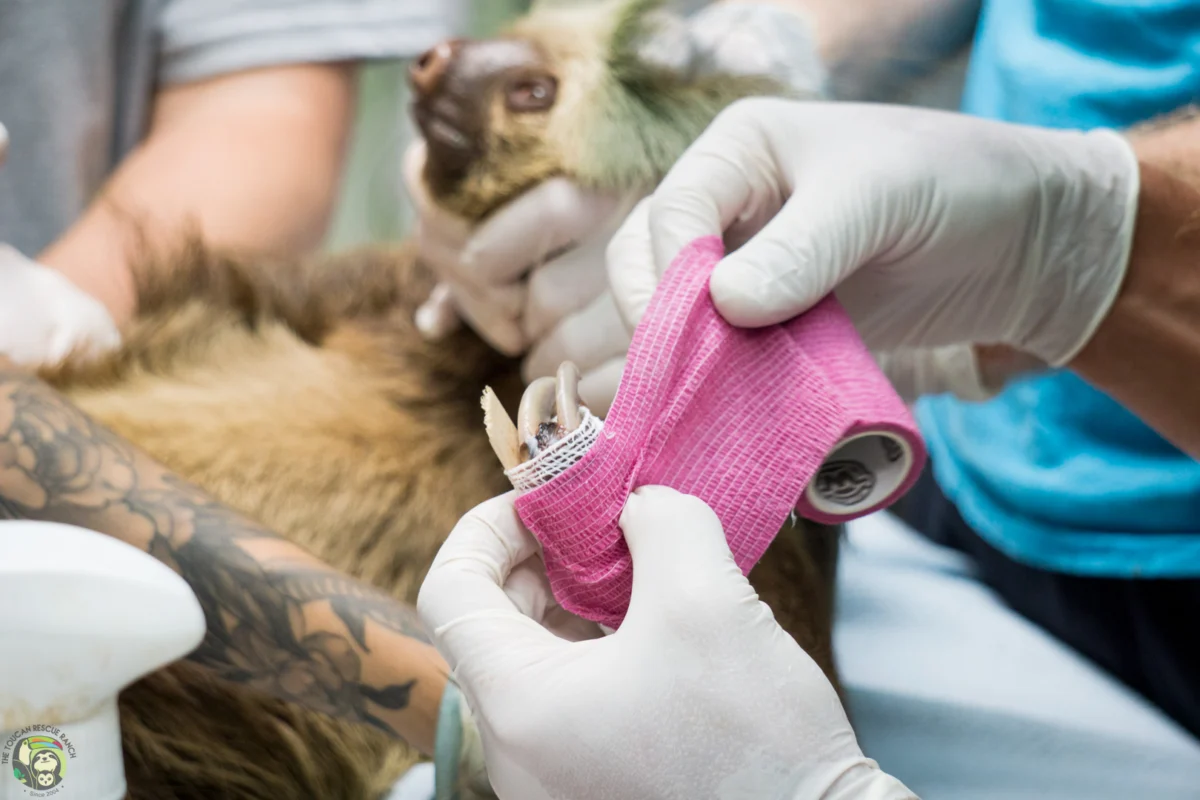
Established to address the escalating threats of habitat fragmentation, illegal wildlife trafficking, and vehicular accidents affecting native species, TRR functions as a multifaceted sanctuary. The facility operates distinct departments ranging from specialized veterinary clinics and intensive-care nurseries for orphaned neonates to expansive pre-release enclosures designed to reintegrate rehabilitated animals back into their natural habitats. Each department has distinct operational needs. The veterinary team requires advanced surgical tools, wound-management supplies, and specialized pharmacological treatments to stabilize critical cases. Simultaneously, animal husbandry staff depend on precise dietary equipment, enrichment devices, and heavy-duty maintenance hardware to ensure optimal welfare standards for diverse avian, mammalian, and reptilian residents.
Operating a rescue facility of this scale requires a continuous influx of resources that are frequently unavailable or prohibitively expensive within local Costa Rican markets. Consequently, the organization depends on the generosity of a global network of donors who contribute items through curated procurement platforms. By utilizing digital registries such as the official Amazon Wish List and the Cuddly Wish List, supporters can directly purchase high-need items tailored to the exact specifications required by TRR’s professional staff. However, bridging the geographical gap between international e-commerce hubs and a remote jungle sanctuary demands a sophisticated understanding of international shipping logistics, customs regulations, and regional postal limitations.
Navigating International Logistics: The Challenge of Cross-Border Shipping
A persistent challenge for non-governmental organizations operating in Central America is the unreliability of traditional national postal infrastructure for handling international parcels. Direct international mail shipments to remote areas frequently encounter extended delays, bureaucratic customs holds, or high probabilities of package loss. Recognizing these logistical barriers, TRR has systematically evaluated and established secure pathways for donors wishing to contribute physical supplies without risking the loss of their charitable investments.
To circumvent postal inefficiencies, TRR strongly discourages standard international mail services unless routed through highly secure, verifiable courier networks. Instead, the organization has structured three primary methods for donors to successfully deliver supplies to the sanctuary: transporting items via checked passenger luggage, utilizing a domestic U.S. consolidation hub, or employing specialized private courier services.
The Most Effective Approach: Transporting Supplies via Checked Luggage
For supporters who maintain a personal connection to the sanctuary—such as incoming interns, long-term volunteers, eco-tourists, and guesthouse visitors—bringing donated supplies in checked baggage represents the gold standard of logistical efficiency. This grassroots approach completely neutralizes international shipping costs, eliminates customs clearance delays, and guarantees that delicate or time-sensitive equipment arrives undamaged.
Sanctuary administrators emphasize that passenger-transported donations allow the veterinary and animal care teams to receive critical inventories almost immediately upon a volunteer’s arrival. This method also fosters a deeper, more tangible connection between the global donor community and the on-the-ground rescue operations in Costa Rica. Travelers interested in utilizing this method are encouraged to cross-reference items with TRR’s current wish lists to maximize the utility of their luggage capacity, focusing on lightweight, high-priority medical or husbandry tools.
Strategic Intermediaries: The Knoxville, Tennessee U.S. Collection Hub
Recognizing that not all supporters possess the opportunity to travel to Central America personally, TRR has established a strategic domestic partnership within the United States. A designated board member based in Knoxville, Tennessee, has generously offered secure warehouse space to serve as a regional consolidation point for donated items.
This U.S. facility allows donors within North America to consolidate smaller packages, purchase bulk supplies, or ship items domestically under reliable domestic freight conditions. Nevertheless, sanctuary leadership maintains a transparent stance regarding this collection point: shipping items to the Knoxville warehouse does not inherently guarantee immediate transit to Costa Rica. The movement of goods from the U.S. hub relies entirely on upcoming travel schedules of affiliated volunteers, staff members, or board personnel flying into the sanctuary. Consequently, this method is best utilized by individuals who are actively coordinating their contributions with a known traveler heading to Costa Rica in the near future.
Direct Commercial Courier Solutions: Utilizing DHL for Secure Delivery
For donors who require an independent, direct-shipping solution without relying on personal travel intermediaries, TRR designates DHL as the sole recommended commercial carrier for deliveries destined directly for Costa Rica. While global logistics firms offer tracking and security features vastly superior to standard postal services, direct international shipping to Central America entails significant financial overhead.
Import duties, high freight tariffs, and regional handling fees can substantially increase the total cost of the contribution. Furthermore, rigorous Costa Rican customs inspections can occasionally introduce processing delays. Therefore, while DHL remains a reliable alternative for direct delivery, sanctuary officials continuously advise that physical transport via passenger luggage or coordination through the U.S. hub should be prioritized whenever feasible to maximize the financial efficiency of every donation.
Categorized Inventory Management: Prioritizing Critical Rescue Needs
To ensure that donor contributions align precisely with operational demands, TRR categorizes its material requirements based on urgency and impact. The organization’s administrative, clinical, and release-site teams continually review consumption rates for medical consumables, specialized milk replacers for orphaned mammals, habitat enrichment fixtures, and administrative tools.
High-Priority Inventories: These items form the immediate backbone of emergency rescue and clinical operations. They typically encompass acute veterinary pharmaceuticals, specialized surgical instruments, intensive-care heating elements for neonates, and specific high-calcium or specialized nutritional formulas required to sustain orphaned sloths, monkeys, and fledgling birds during their most vulnerable developmental stages.
Medium-Priority Inventories: Comprising ongoing operational supplies, these goods support the daily rehabilitation process. This category includes durable enclosure hardware, cleaning agents compliant with strict sanctuary sanitization standards, specialized behavioral enrichment toys designed to prevent psychological distress in captive wildlife, and general husbandry tools utilized by animal care technicians.
Lower-Priority Inventories: Supporting the broader administrative and infrastructural framework of the organization, these items ensure the facility maintains efficient daily operations, records management, and educational outreach capabilities.
Tax Compliance and Institutional Accountability
Maintaining strict adherence to legal and financial transparency is a cornerstone of TRR’s institutional framework. For international donors, navigating the tax implications of charitable giving is often a decisive factor in determining contribution levels. TRR operates with dual legal standing, functioning concurrently as a registered U.S. 501(c)(3) nonprofit organization (EIN: 80-0516453) and an officially recognized Costa Rican foundation (Registry #300667701803).
This dual accreditation ensures that financial contributions and documented donations of physical supplies made by U.S. taxpayers are fully tax-deductible to the extent permitted by law. By providing clear documentation and maintaining rigorous accounting standards, the organization reassures its global network of supporters that every contribution is managed with fiduciary responsibility and direct alignment with its stated charitable mission.
Broader Economic and Ecological Implications of Community-Driven Conservation
The reliance on international supply chains and grassroots donor networks highlights a broader economic reality facing wildlife conservation entities across Latin America. State funding for environmental protection and wildlife rescue is frequently constrained, leaving non-governmental organizations to bridge critical gaps in biodiversity preservation. When wild habitats face mounting pressures from agricultural expansion, urbanization, and climate variability, the volume of injured and displaced fauna naturally increases, straining the operational capacities of rescue facilities.
By mobilizing an international community of supporters through targeted wish lists and efficient logistical pathways, organizations like TRR demonstrate a resilient model of decentralized conservation. This collaborative framework not only provides immediate material relief to overburdened veterinary staffs but also cultivates a sense of global environmental stewardship. As supporters from diverse geographical backgrounds engage directly in the survival of individual animals—whether by funding a specialized surgical kit through an online registry or packing medical supplies in personal luggage—they become active participants in the preservation of Costa Rica’s irreplaceable natural heritage. Through continued transparency, strategic logistical planning, and unwavering community support, TRR remains equipped to face the ongoing challenges of wildlife rescue, rehabilitation, and release in an increasingly complex environmental landscape.
