
The debate surrounding the inclusion of corn in the diet of backyard poultry has persisted for years, often clouded by anecdotal advice and conflicting husbandry practices. As the popularity of home-raised flocks continues to rise globally, the necessity for science-based dietary guidelines has become paramount. While corn is a staple in agricultural feed, misconceptions regarding its thermogenic effects—particularly during summer months—have led many keepers to unnecessarily restrict this common grain. To understand the role of corn in a chicken’s diet, one must distinguish between the metabolic impact of dried versus fresh corn and the seasonal requirements of the flock.

The Nutritional Composition of Maize
Corn, or Zea mays, is a carbohydrate-dense feed ingredient that serves as a primary source of energy for avian species. Nutritionally, it is characterized by its high starch content, which provides sustained energy. While it is not a complete protein source, it contains essential nutrients including vitamins B6 and C, niacin, phosphorus, magnesium, and potassium. Additionally, corn provides fiber, which is crucial for maintaining healthy gastrointestinal motility in poultry.
Despite these benefits, corn lacks the amino acid profile required for high-yield egg production or rapid growth in meat-type breeds. When fed in isolation, it can lead to nutritional deficiencies. Furthermore, the high caloric density of corn means that excessive consumption can lead to hepatic lipidosis (fatty liver) and obesity, particularly in ornamental or less active breeds. Poultry experts generally recommend that corn—whether in whole, cracked, or fresh form—should constitute no more than 10% to 15% of a bird’s total daily caloric intake, serving as a supplement rather than a replacement for balanced, nutritionally fortified commercial layer feed.

Chronology of the Seasonal Feeding Debate
The controversy regarding corn feeding often centers on the physiological concept of "heat increment of feeding." This refers to the energy expenditure required for digestion and the subsequent heat production within the body.
In the winter months, typically spanning November through March in the Northern Hemisphere, poultry keepers often increase the ration of dried, cracked corn. During these months, ambient temperatures can drop well below the thermoneutral zone of chickens (which generally ranges from 50°F to 75°F). By consuming complex carbohydrates like dried corn shortly before roosting, chickens engage their metabolic systems overnight. The digestion process generates internal heat, which assists the birds in maintaining core body temperature during sub-zero nights. This practice has been documented in traditional farming manuals for over a century, positioning dried corn as a "winter fuel" for flocks.

Conversely, the summer months bring the risk of heat stress. During heatwaves, a bird’s primary physiological goal is to shed, not generate, heat. The metabolic energy required to process large amounts of hard, dry grain increases internal temperature. Critics of summer corn feeding argue that this metabolic spike contributes to heat exhaustion. However, modern research suggests that the type of corn is the deciding factor. While dried, hard kernels require significant digestive energy, fresh or succulent corn products do not pose the same thermogenic risks.
Distinguishing Between Dried and Fresh Varieties
The nutritional and physical properties of corn vary drastically depending on its moisture content and processing.

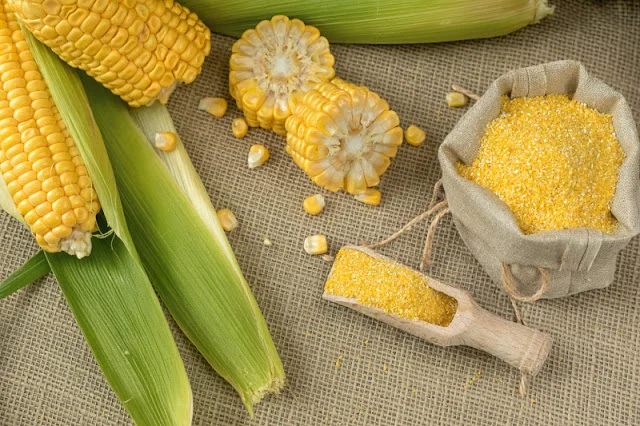
- Dried and Cracked Corn: These are shelf-stable products with low moisture content. They are ideally suited for winter supplementation. Because the kernels are hard, they take longer to break down in the gizzard, providing a slow-release energy source that sustains the bird through long, cold nights.
- Fresh or Sweet Corn: Harvested directly from the cob or provided as frozen kernels, this form of corn has a high water content. In the summer, fresh corn acts as a hydrating treat. When provided in moderation, it allows for enrichment without the heavy metabolic burden associated with dried grains.
- Corn Husks and Silks: Often discarded as agricultural waste, corn silks and husks contain beneficial compounds. Corn silk, in particular, is recognized in botanical literature for its antioxidant and anti-inflammatory properties, potentially aiding in blood pressure regulation and cholesterol management.
Metabolic Implications and Veterinary Perspective
Veterinary nutritionists emphasize that the primary danger in feeding corn is not the grain itself, but the lack of variety in the diet. A monotonous diet consisting largely of corn can result in an energy-to-protein imbalance. In laying hens, this leads to reduced egg production and shell quality, as the bird lacks the calcium and essential amino acids (such as methionine and lysine) required for the synthesis of egg components.
Furthermore, the physical structure of corn on the cob provides an essential behavioral outlet for chickens. Pecking at a cob is a natural foraging behavior that reduces boredom-related vices, such as feather pecking or cannibalism. By allowing the flock to pick the cob clean, owners encourage mental stimulation. However, caution must be taken with the "leftover" cob. If left to rot in the coop, corn cobs can become a breeding ground for mold and bacteria, specifically Aspergillus spores, which can lead to respiratory infections in poultry.

Data-Driven Best Practices for Flock Management
To optimize flock health, keepers should adhere to a structured feeding strategy:
- The Winter Protocol: Increase energy-dense feeds like cracked corn during the final hour of daylight. This ensures that the crop is full and the metabolism is active throughout the coldest hours of the night.
- The Summer Protocol: Shift away from dry, hard grains. If offering corn, prioritize fresh kernels or hydrated frozen corn. Ensure that these treats are provided in the cool of the morning or evening to prevent the birds from consuming large amounts during peak solar intensity.
- The 90/10 Rule: Ensure that at least 90% of the daily food intake comes from a balanced, nutritionally complete poultry ration. Reserve corn and other treats for the remaining 10% to ensure the birds meet their vitamin and mineral requirements without becoming overweight.
Broader Implications for Sustainable Agriculture
The integration of corn into backyard poultry diets is emblematic of the broader shift toward sustainable, circular agriculture. Small-scale farmers often utilize "seconds" or imperfect produce from their gardens to supplement their flocks. This reduces food waste and provides high-value nutrients at a minimal cost.

However, the impact of this practice extends to the local ecosystem. Excessive feeding of any grain can attract rodents and wild birds, which are vectors for diseases such as Avian Influenza or Salmonella. Therefore, regardless of whether corn is being fed for its caloric benefits in winter or its hydrating properties in summer, it must be provided in feeders or designated areas that are cleaned daily.
Conclusion
The question of whether chickens can eat corn is answered with a qualified "yes." Corn is a safe, effective, and nutritious supplement when managed with an understanding of avian metabolism and seasonal requirements. The controversy surrounding its use is largely mitigated by proper timing, appropriate processing, and the strict maintenance of dietary balance. As poultry keeping evolves from a hobby into a more sophisticated pursuit of animal welfare, owners are encouraged to view corn not as a foundational food source, but as a strategic tool for managing their flock’s energy levels and behavioral health throughout the changing seasons. By adhering to these evidence-based practices, keepers can ensure their birds thrive year-round, utilizing the full potential of this versatile grain without compromising the health of their flock.
