

Indonesia stands on the precipice of a severe environmental emergency, as a combination of strengthening El Niño conditions, rising global temperatures, and historical ecosystem degradation heighten the probability of widespread peatland fires in the coming months. A comprehensive white paper published on July 28, 2026, by Wetlands International serves as a stark alarm bell for policymakers, environmental regulators, and regional governments. The report cautions that without immediate, coordinated intervention, Southeast Asia could face a replay of historical disaster scenarios, characterized by toxic cross-border haze, severe public health crises, massive economic disruptions, and the release of gigatons of trapped carbon into the global atmosphere.
The warning underscores a narrowing window of opportunity. As the dry season intensifies, the authorities, corporate landholders, and local communities have a fleeting window to deploy preventive measures. While the exact magnitude of the upcoming fire season remains subject to meteorological variables, the structural vulnerabilities embedded within Indonesia’s vast tropical peat landscapes mean that the risk profile is exceptionally high.
The Ecological Significance and Vulnerability of Indonesian Peatlands
To understand the gravity of the current threat, one must examine the sheer scale and ecological function of Indonesia’s peatlands. The archipelago is custodian to approximately 13.4 million hectares of tropical peatlands, making it one of the most significant repositories of organic carbon on Earth. These ancient, waterlogged ecosystems have accumulated over millennia, acting as vital carbon sinks that absorb and lock away vast quantities of greenhouse gases. Beyond climate regulation, tropical peatlands are the hydrological backbone of many regions, maintaining regional water cycles, preventing saline intrusion, and supporting rich, endemic biodiversity that cannot survive elsewhere.
However, decades of intensive anthropogenic alteration have dramatically transformed these landscapes. Driven largely by agricultural expansion—specifically for palm oil, pulpwood, and industrial plantations—millions of hectares of peatlands have been systematically drained. Canals have been dug to lower the water table, drying out the upper layers of organic matter to make the land arable.
Out of the 13.4 million hectares, current assessments indicate that between four and six million hectares are now severely degraded. Unlike mineral soils, which can recover relatively quickly from agricultural overuse, drained peat is essentially fossilized organic material. Once dry, it transforms into an extremely flammable fuel source.
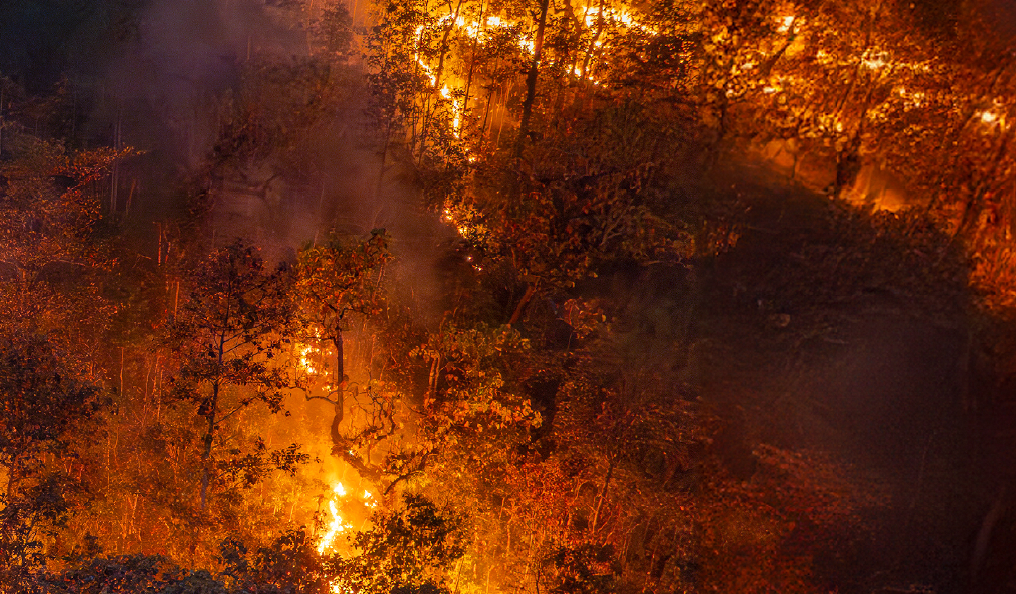
The mechanics of peat fires make them uniquely catastrophic compared to typical surface forest fires. When a spark catches on dry peat, the fire burns deep underground, smoldering quietly out of sight for weeks or even months. These subterranean fires are notoriously difficult to extinguish using conventional firefighting methods, often requiring sustained, heavy rainfall or massive deployment of sub-surface wetting operations to put out completely. As they burn, they consume the accumulated organic layers down to the water table, obliterating the soil structure, releasing dense, acrid clouds of particulate matter, and emitting staggering amounts of carbon dioxide and methane.
Historical Context and Lessons from Past Crises
The contemporary warnings issued by Wetlands International are deeply rooted in the traumatic environmental history of Southeast Asia. The benchmark for such disasters remains the 1997–1998 El Niño event, which coincided with extensive land clearing and drainage in Indonesia. During that catastrophic fire season, an estimated 9 to 10 million hectares of forests and peatlands burned.
The ecological and social fallout of the 1997–1998 fires was profound. A dense, toxic haze blanketed the region, severely affecting more than 200 million people across Indonesia, Malaysia, Singapore, and parts of Brunei and Thailand. Air quality indices reached hazardous levels for months on end, leading to a sharp spike in acute respiratory infections, cardiovascular diseases, and premature mortality. The regional economy took a severe hit as well, with ground, sea, and air transportation paralyzed due to near-zero visibility, grounding commercial flights and closing ports. Furthermore, the sheer volume of carbon released from the burning peatlands was so immense that it accounted for a significant fraction of global carbon emissions for that year, noticeably accelerating the rate of global climate change.
Subsequent major fire events—notably in 2015 and 2019—demonstrated that while Indonesia has made strides in improving fire monitoring and establishing legal frameworks for peat protection, the underlying vulnerability remains. Each recurrence of severe El Niño conditions tests the resilience of the restored and degraded landscapes alike, proving that historical mitigation efforts, though valuable, are often outpaced by the compounding pressures of climate change and ongoing commercial land use pressures.
Meteorological Drivers: The Return of El Niño
The primary catalyst for the heightened alert in 2026 is the convergence of climatic anomalies, chief among them a strengthening El Niño Southern Oscillation (ENSO). El Niño phases are historically associated with prolonged dry seasons, delayed monsoon onsets, and significantly reduced rainfall across the Indonesian archipelago.
As precipitation drops and ambient temperatures continue an upward global trajectory, the moisture content in the upper layers of peat soils plummets rapidly. Even in areas where canals have been partially blocked or blocking infrastructure was previously installed, a severe, prolonged dry spell can exhaust residual soil moisture. Without an adequate, continuous water table maintaining saturation, the threshold for combustion drops precipitously. The white paper highlights that these macro-climatic factors create a powder-keg scenario where a single discarded cigarette, an unattended agricultural slash-and-burn clearing, or an accidental spark from machinery can cascade into an uncontainable landscape fire.

Recommended Interventions and Strategic Mitigation
Despite the sobering outlook, Wetlands International emphasizes that a catastrophic fire season is not an inevitability. The white paper outlines a multi-tiered framework for urgent action, moving away from reactive firefighting toward proactive landscape-level prevention.
- Emergency Hydrological Management: The most immediate priority is the stabilization of water tables in vulnerable peatlands. Land managers, local authorities, and community groups must inspect, repair, and maintain rewetting infrastructure—such as canal blockks, dams, and water gates—to retain as much moisture as possible within the peat domes before the dry season reaches its peak.
- Enhanced Early Warning and Monitoring Systems: Real-time tracking of soil moisture, groundwater levels, and thermal hotspots must be scaled up. Early detection systems allow rapid-response teams to mobilize before small smoldering fires can breach the surface and spread across large areas.
- Strengthened Community-Based Fire Response: Local communities are invariably the first line of defense. Empowering and equipping local populations with firefighting tools, training, and logistical support ensures immediate containment of localized ignition sources before they escalate into regional emergencies.
- Transition to Climate-Smart Land Use (Paludiculture): Over the medium to long term, the white paper calls for structural policy shifts away from unsustainable drainage-based agriculture. Promoting paludiculture—the cultivation of crops that thrive in wet, waterlogged peat conditions—allows local economies to generate revenue without destroying the hydrological integrity of the ecosystem.
- Integrated Policy and Cross-Sectoral Collaboration: Governments, corporate concession holders, international donors, and civil society must align their policies. Peatlands must be legally recognized and managed not merely as vacant agricultural land reserves, but as critical public infrastructure essential for regional water security, biodiversity preservation, and national climate commitments.
Economic and Strategic Implications of Inaction
The analysis presented in the white paper carries significant economic weight. Economic evaluations of past fire crises reveal that the cost of passive non-intervention—measured in healthcare expenditures, lost productivity, grounded transport networks, agricultural write-offs, and emergency firefighting operations—vastly exceeds the capital investments required for proactive peatland restoration and fire prevention.
From an international standpoint, Indonesia’s management of its peatlands holds global ramifications. As nations strive to meet targets set under the Paris Agreement and international biodiversity frameworks, preventing massive land-use emissions from tropical peatlands is non-negotiable. Unchecked peat fires can single-handedly undermine national carbon accounting goals, turning a major carbon sink into a massive carbon source.
Conclusion
The Wetlands International white paper acts as both a warning and a roadmap. Indonesia stands at a critical juncture where timely administrative decisions, localized tactical interventions, and long-term ecological stewardship can avert a human and environmental disaster. As the dry season progresses and El Niño tightens its grip, the international community and domestic stakeholders alike will be closely watching whether the lessons of past decades translate into decisive, preventative action on the ground. Protecting Indonesia’s peatlands is no longer just a localized environmental objective; it is a regional imperative for public health, economic stability, and global climate resilience.
