
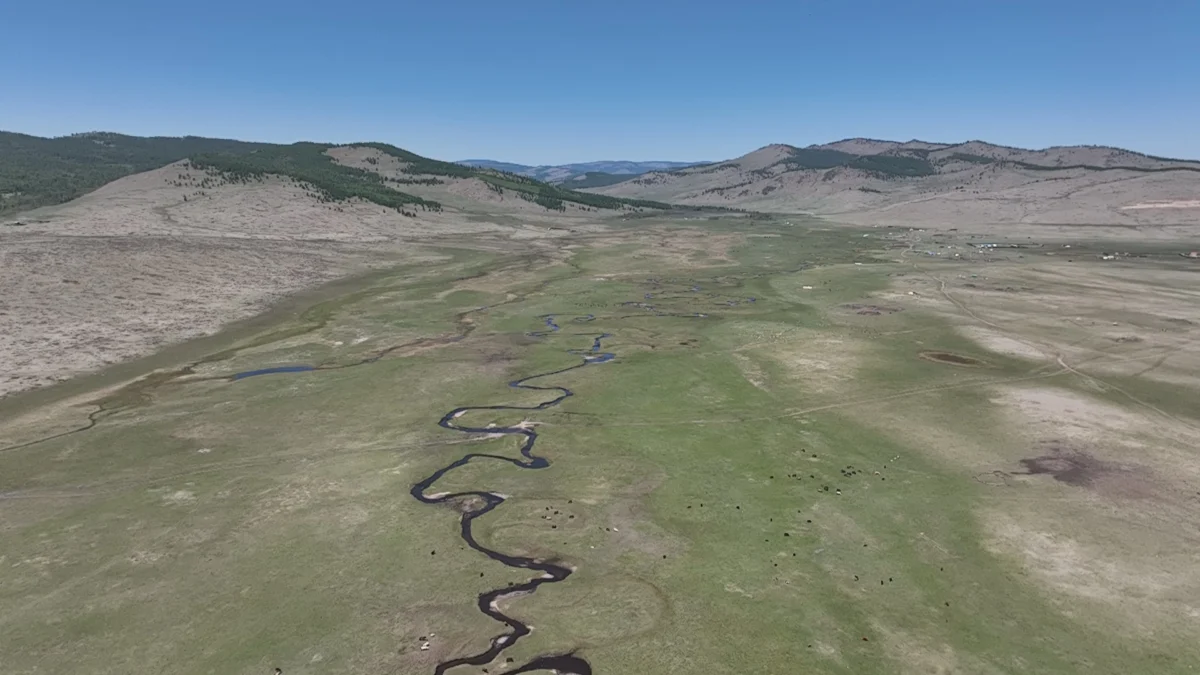
As escalating droughts and rampant wildfires continue to ravage ecosystems across the globe, policymakers, scientists, and environmental advocates are turning their attention toward Ulaanbaatar, Mongolia, where the 17th Conference of the Parties (COP17) to the United Nations Convention to Combat Desertification (UNCCD) will convene at the end of August 2026. Against a backdrop of intensifying climate pressures and widespread ecological strain, Wetlands International has announced it will deploy its largest-ever delegation to the summit. Headed by Chief Executive Officer Coenraad Krijger, the organization aims to place freshwater wetlands and peatlands at the very forefront of global and national strategies designed to arrest desertification, land degradation, and severe drought.
The UNCCD, historically overshadowed by its sister Rio Conventions—the UN Framework Convention on Climate Change (UNFCCC) and the Convention on Biological Diversity (CBD)—is experiencing a surge in geopolitical and environmental relevance. With nations racing to fulfill commitments to halt and reverse land degradation, the upcoming conference under the banner theme "Restoring Land, Restoring Hope" represents a critical milestone. With less than five years remaining until the 2030 target date for achieving Land Degradation Neutrality (LDN), the urgency to implement actionable, cross-sectoral solutions has never been more acute.

The Scale of the Crisis: Degradation and Water Stress
The statistical imperatives driving the discussions at COP17 underline a profound planetary emergency. According to recent international environmental assessments, up to 40% of the world’s land surface is already degraded, exerting direct economic and humanitarian tolls. This widespread degradation threatens the livelihoods of billions of people globally and inflicts an estimated US$900 billion in economic losses annually.
Simultaneously, the global water crisis is being severely exacerbated by the rapid disappearance of vital freshwater ecosystems. Data compiled ahead of the conference reveals that the world has lost more than 22% of its remaining wetlands since 1970. This staggering loss has severely undermined natural water retention, diminished regional resilience against prolonged droughts, and heightened the vulnerability of communities dependent on stable hydrological cycles.
Within this bleak context, wetlands—spanning rivers, lakes, marshes, and crucially, carbon-rich peatlands—are increasingly recognized not merely as fragile habitats, but as indispensable infrastructure for climate adaptation and disaster mitigation. Healthy wetlands regulate water flows, buffer against floods, recharge groundwater aquifers, and lock away vast quantities of carbon, making their preservation a non-negotiable component of any credible anti-desertification strategy.

Strategic Priorities and Institutional Momentum
Wetlands International’s expanded presence in Mongolia is designed to capitalize on a shifting institutional landscape. Over recent years, advocacy coalitions have successfully elevated the visibility of water and wetlands within UNCCD frameworks. A major breakthrough occurred during COP16 in Riyadh, Saudi Arabia, where member states adopted a landmark decision mandating the Convention to integrate systematic water management into its core programs. Furthermore, the Riyadh Action Agenda established initiatives such as the Freshwater Challenge, cementing freshwater ecosystems as a flagship mechanism for achieving LDN.
In Ulaanbaatar, Wetlands International will work closely with international stakeholders and its national partner, the Wildlife Science and Conservation Center of Mongolia (WSCC), to translate high-level political commitments into concrete national implementation plans.
Coenraad Krijger, CEO of Wetlands International, emphasized the indispensable link between land restoration and water security ahead of the summit. "Investing in protecting and restoring healthy wetlands is critical to mitigating the impact of droughts and reversing desertification," Krijger stated. "We see UNCCD as an important platform for advancing wetland action at national and global levels—wetland action that will benefit people and nature and turbocharge efforts to combat land degradation."
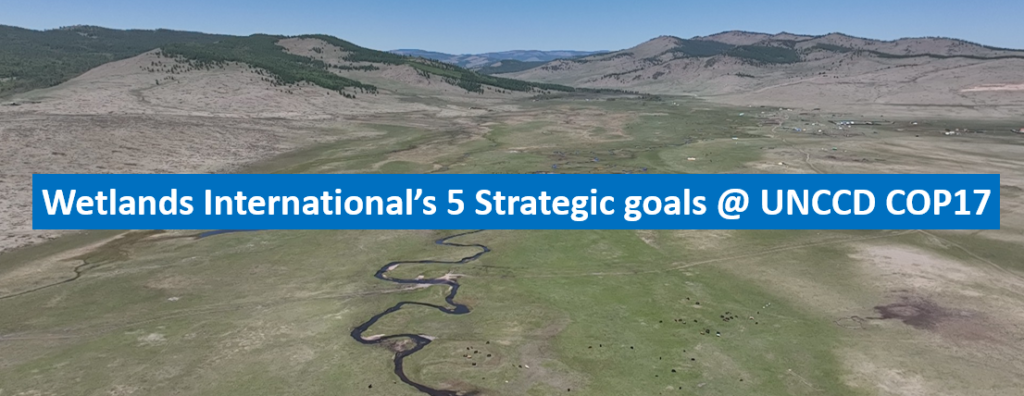
High-Level Events and Core Advocacy Platforms
The delegation’s agenda at COP17 is anchored by a series of high-level side events, thematic sessions, and collaborative panels designed to bridge policy silos and foster integrated resource management.
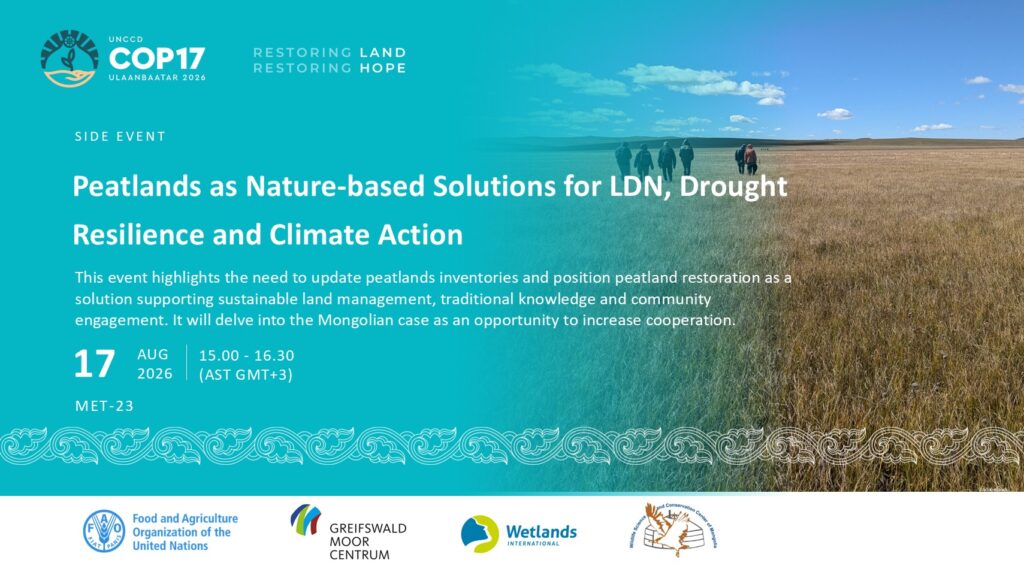
Peatlands as Nature-Based Solutions
One of the primary focal points for Wetlands International will be an official side event dedicated to peatlands as nature-based solutions for LDN, drought resilience, and climate action. Co-hosted with the WSCC, the session will draw attention to the specific vulnerabilities and management needs of wet peatlands. Discussions will center on the urgent necessity for governments to update and audit their national peatland inventories to support evidence-based policymaking. The event will also spotlight the Mongolian Peatlands Initiative as a regional case study for effective restoration and community engagement.
Bridging Global Conventions: From Victoria Falls to Ulaanbaatar
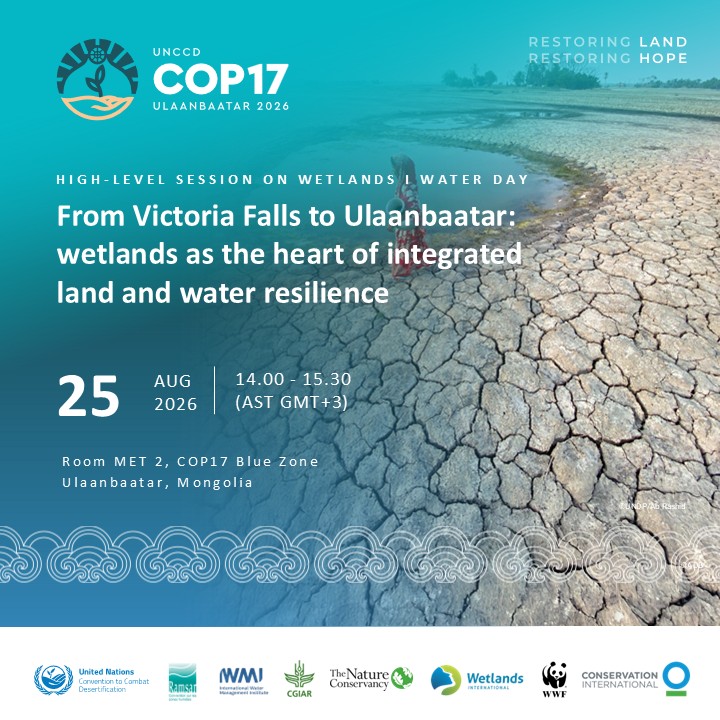
Building on the momentum generated by the Convention on Wetlands’ COP15—which issued an urgent global call to protect and restore freshwater ecosystems—a major High-Level session titled "From Victoria Falls to Ulaanbaatar: wetlands as the heart of integrated land and water resilience" will take place during the conference’s designated Water Day.
This session is engineered to serve as a vital policy bridge. It aims to position wetlands as the connecting thread across water, biodiversity, land, and climate governance ahead of subsequent international summits, including upcoming CBD and UNFCCC COPs, as well as the upcoming UN Water Conference. The panel will feature high-level ministerial representation from countries such as Armenia, Brazil, Türkiye, and Zimbabwe, alongside the Secretary-General of the Ramsar Convention and Wetlands International’s CEO.
Accelerating the Freshwater Challenge
A third major event will explore the operationalization of the Freshwater Challenge under the banner: "The Freshwater Challenge: Accelerating Drought Resilience for a Water Secure World." This session will investigate how healthy freshwater ecosystems underpin both LDN and drought resilience. Participants will discuss how national governments can leverage the Freshwater Challenge framework to strengthen policy synergies across the Rio Conventions, the Convention on Wetlands, and broader UN water initiatives.
Chronology and the Road to 2030
The trajectory toward COP17 reflects a multi-year effort by the international scientific and conservation community to dismantle institutional stovepipes that historically separated land, water, and climate negotiations.
- 1970 Baseline: Marking the onset of accelerated global wetland loss, with over 22% of remaining ecosystems degraded or destroyed over the subsequent decades.
- December 2024 (COP16, Riyadh): Adoption of the Riyadh Action Agenda and a breakthrough mandate requiring the UNCCD to formally integrate water management into its strategic framework, paving the way for initiatives like the Freshwater Challenge.
- August 2026 (COP17, Ulaanbaatar): The convening of 197 member countries, private sector financiers, civil society organizations, Indigenous Peoples, pastoralists, and agricultural stakeholders under the theme "Restoring Land, Restoring Hope."
- 2030 Horizon: The global target deadline for achieving Land Degradation Neutrality, making the Ulaanbaatar summit a pivotal half-decade checkpoint.
Broader Implications and Outlook
As representatives from 197 member nations assemble in the Mongolian capital, the stakes extend far beyond bureaucratic consensus. The inclusion of diverse stakeholders—ranging from corporate finance entities and civil society groups to Indigenous Peoples, pastoralists, and farmers—reflects a growing consensus that land degradation and drought cannot be solved through top-down government edicts alone.
By championing the integration of water and wetland management into the UNCCD, Wetlands International and its allies hope to secure binding financial mechanisms and political recognition that outlast the two-week conference. With climate variability accelerating the frequency of extreme weather events, the outcomes forged in Ulaanbaatar will profoundly influence whether vulnerable nations can transition from reactive crisis management to proactive, nature-based resilience before the 2030 deadline arrives.
