
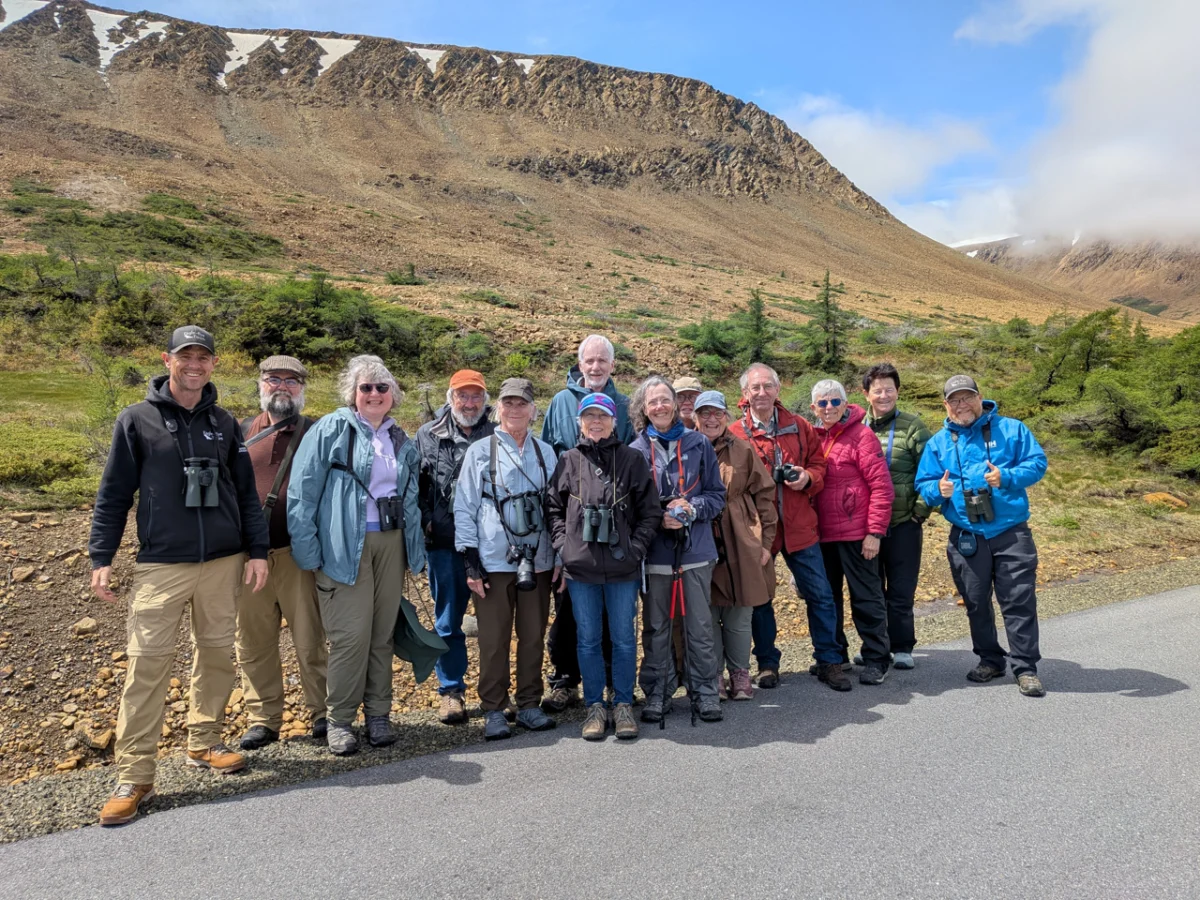
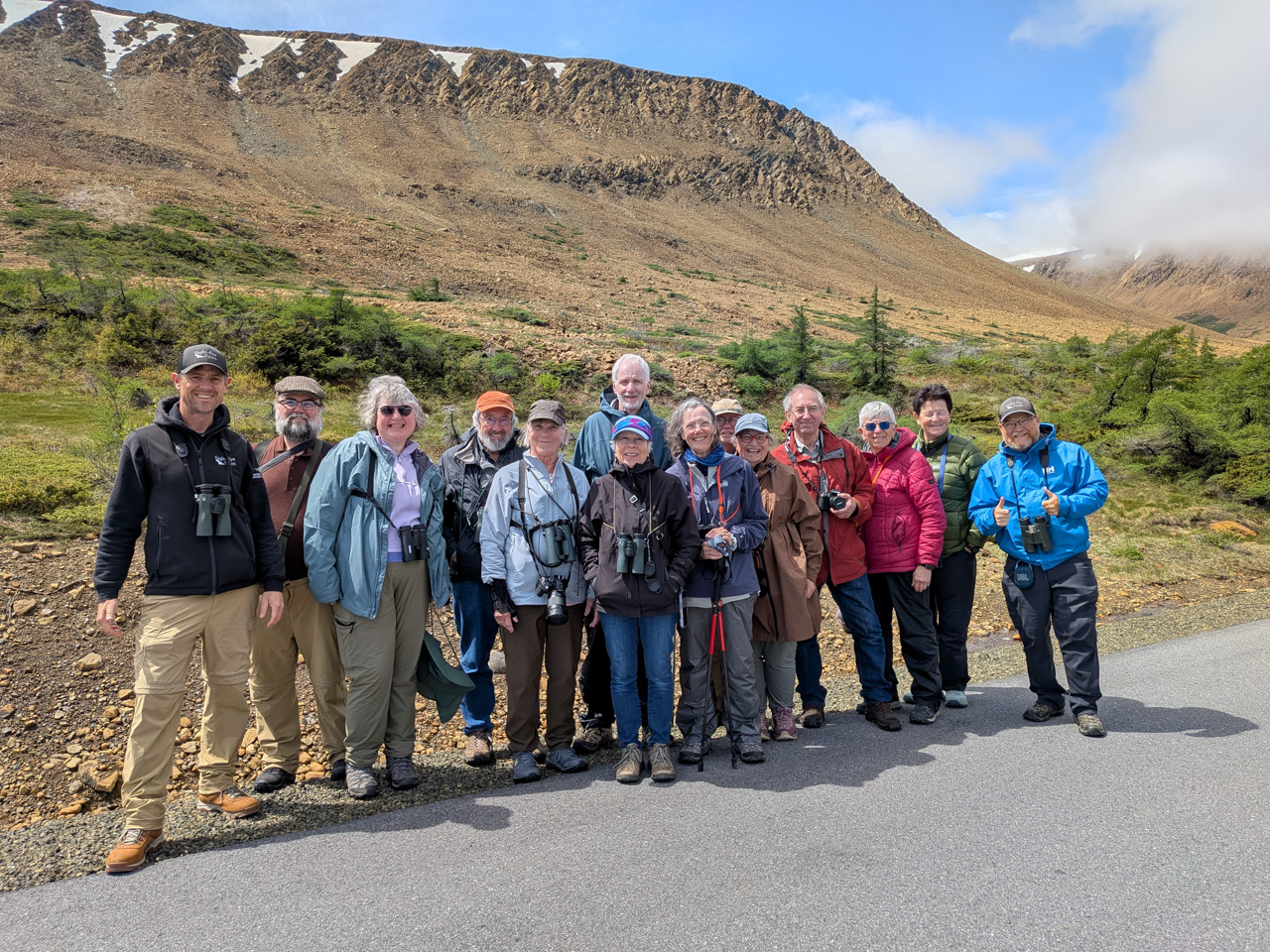
An intrepid group of twelve travelers, led by two professional guides, recently concluded a comprehensive expedition across the rugged, ecologically diverse terrain of Newfoundland. The tour, which spanned from late June through early July 2026, served as both a scientific survey and an immersive exploration of the province’s unique geological and biological heritage. By traversing the island from the western fjords of Gros Morne National Park to the subarctic tundra of the Avalon Peninsula, the participants gained firsthand insight into the complex ecosystems that define the easternmost point of North America.
The Western Gateway: Gros Morne and the Humber River
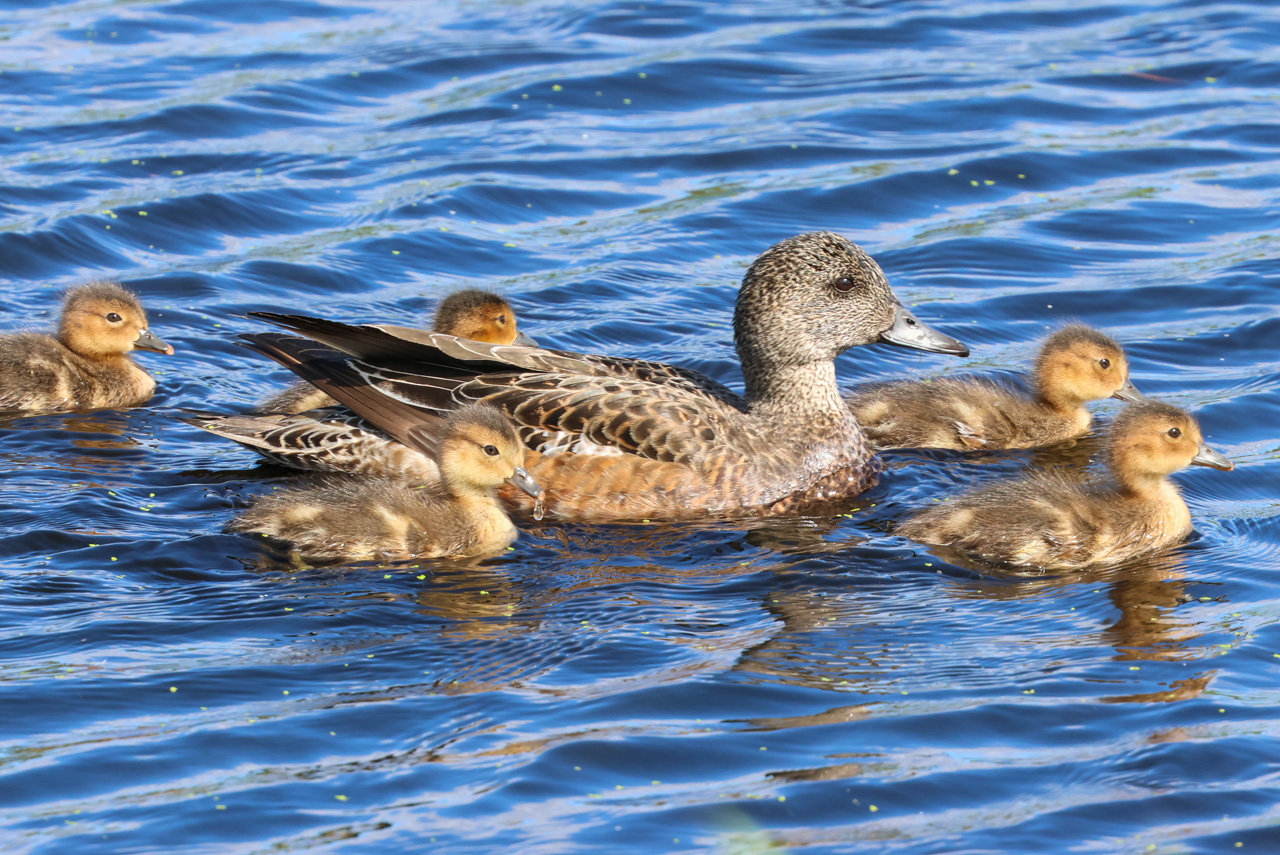
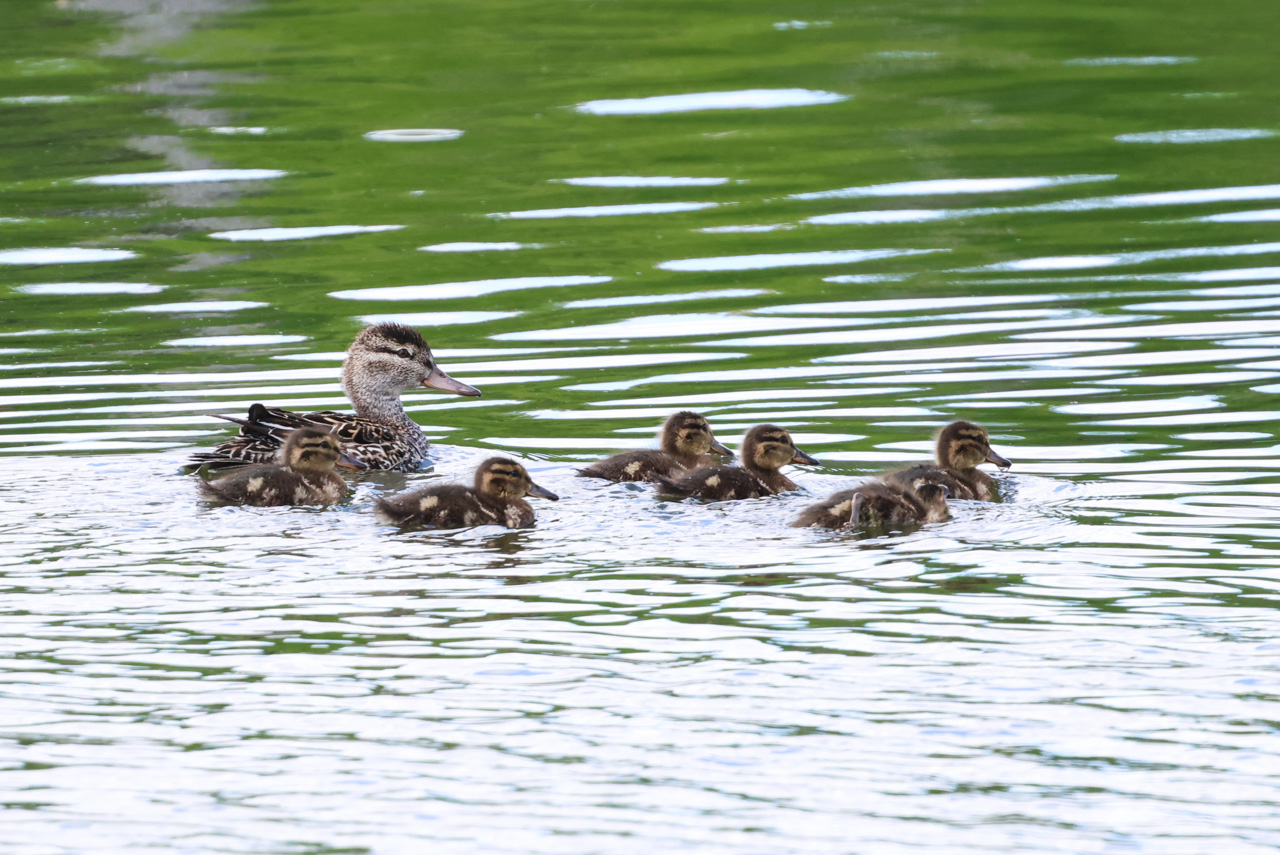
The journey commenced on June 23 in Deer Lake, a region defined by the confluence of the Humber River and dense mixed boreal forests. Initial observations focused on the riparian health of the Humber River trail. Ornithological highlights during this opening phase included sightings of American Wigeons and Green-winged Teal, both of which were observed with fledged young, indicating a successful breeding season.
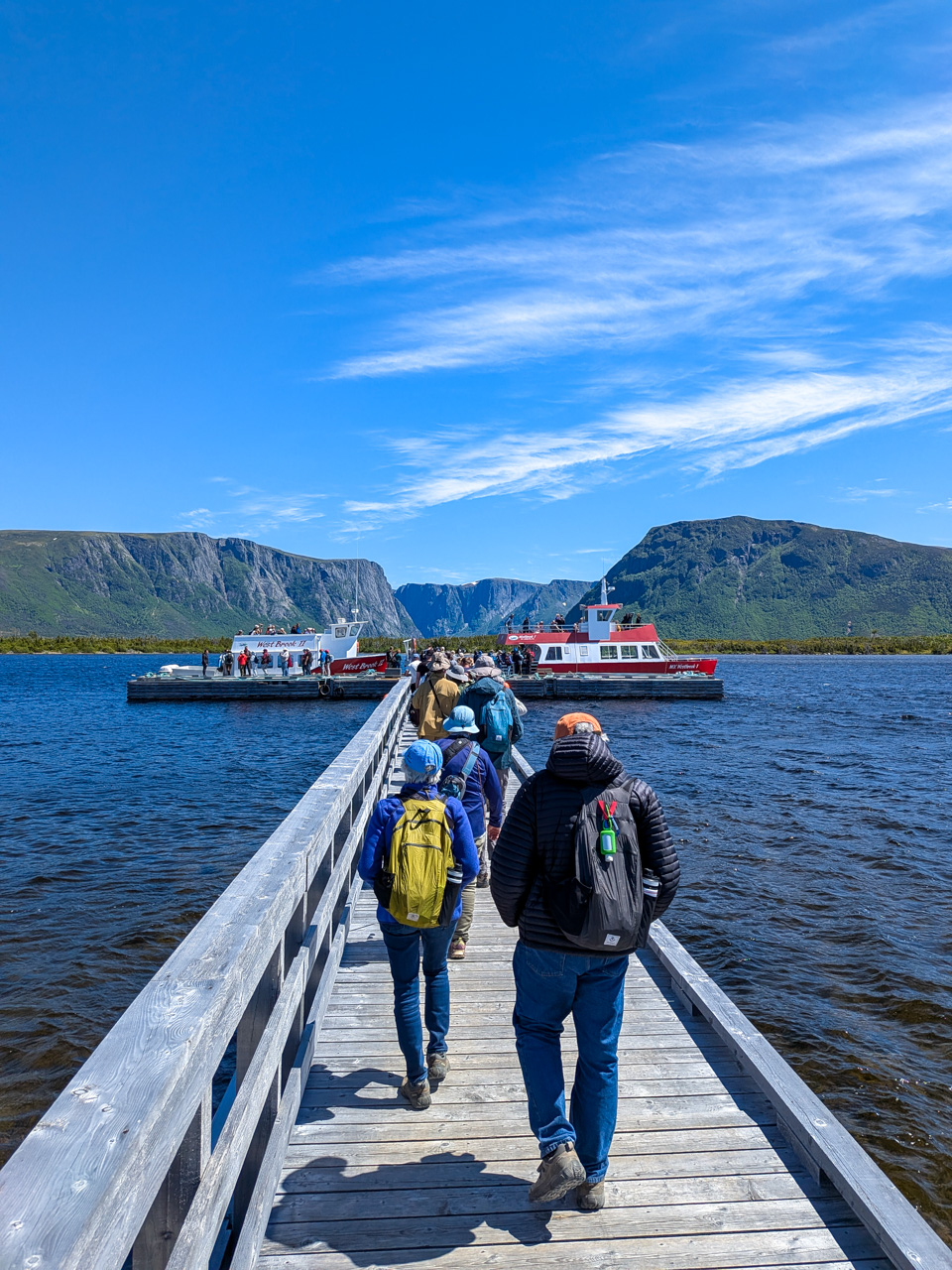
The group transitioned into Gros Morne National Park, a UNESCO World Heritage site renowned for its geological significance. The park’s landscape is largely defined by the Long Range Mountains and the Western Brook Pond, a land-locked fjord carved by glaciers during the last ice age. The sheer scale of the cliff faces, rising over 600 meters from the water, provides a stark visual representation of tectonic and glacial forces. During the two-day exploration of the park, the group documented a high level of biodiversity, identifying species such as the Swainson’s Thrush, Boreal Chickadee, and the Pine Grosbeak.
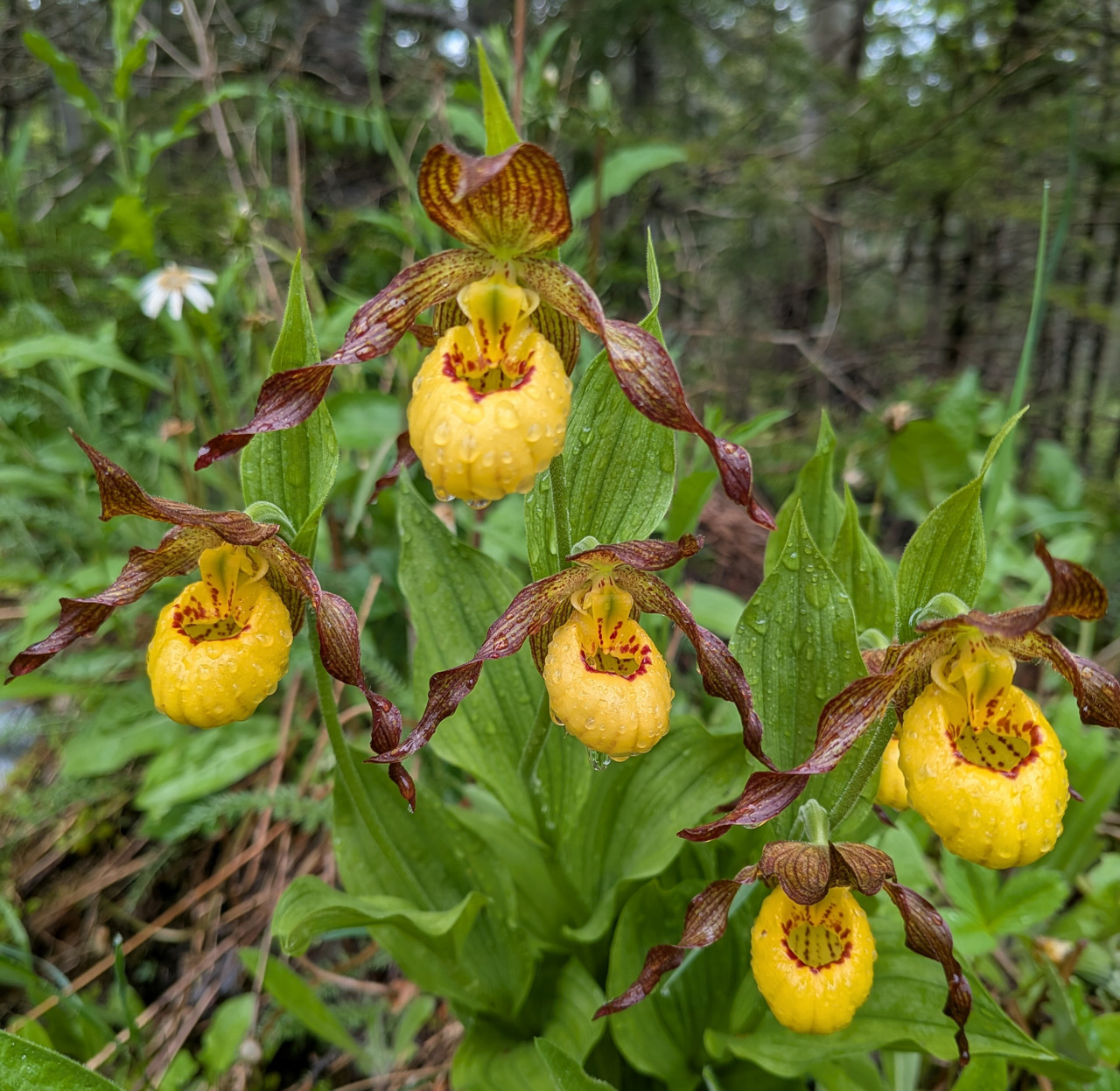
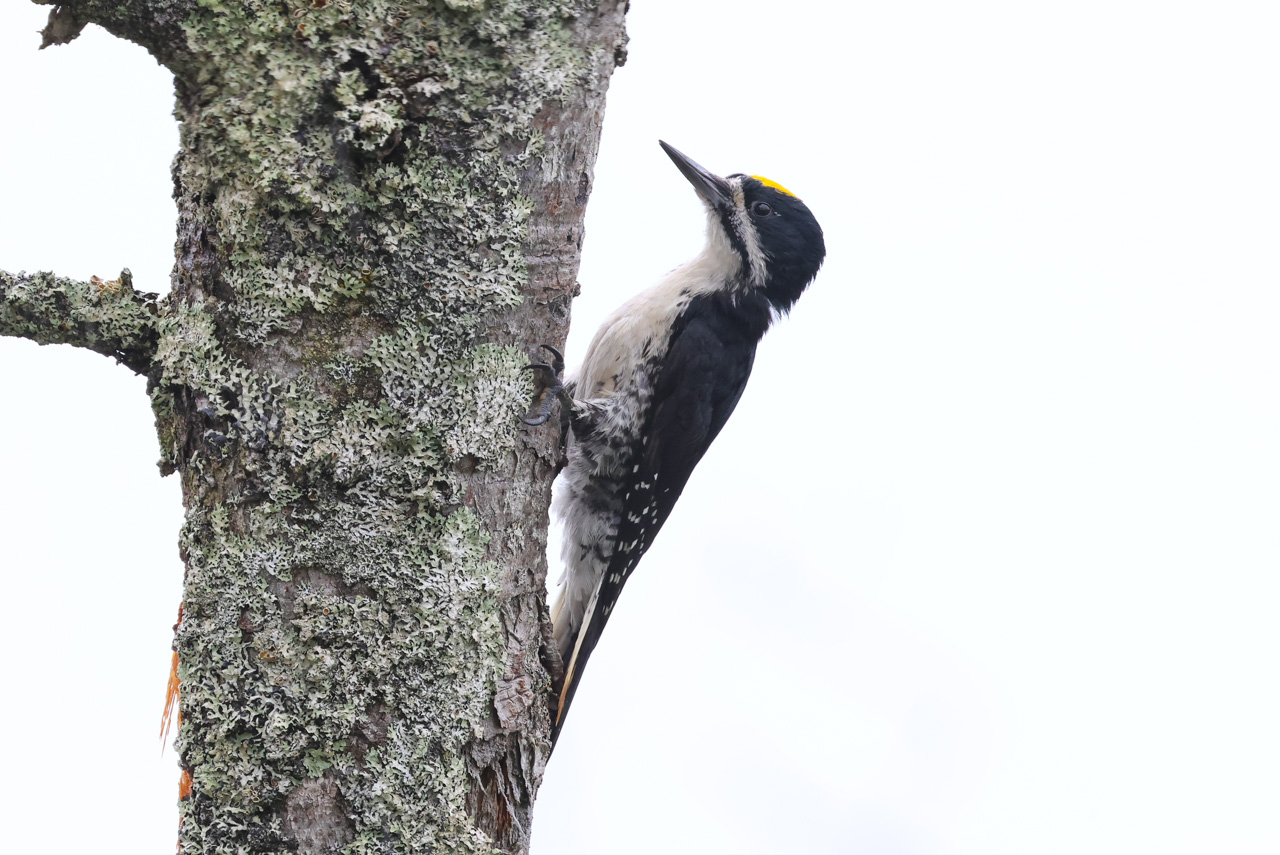
A significant finding occurred at The Arches Provincial Park, where participants located a Black-backed Woodpecker. This species is often difficult to observe due to its affinity for remote, burnt, or dying conifer forests. Furthermore, the botanical diversity within the Tablelands—a rare exposed section of the Earth’s mantle—presented a unique study in plant adaptation. Despite the heavy metal concentrations in the soil that inhibit most vegetation, the group identified carnivorous species such as the Purple Pitcher Plant, the provincial flower of Newfoundland and Labrador, as well as the Common Butterwort and Round-leaf Sundew.
Central Newfoundland: Wetlands and the Exploits River
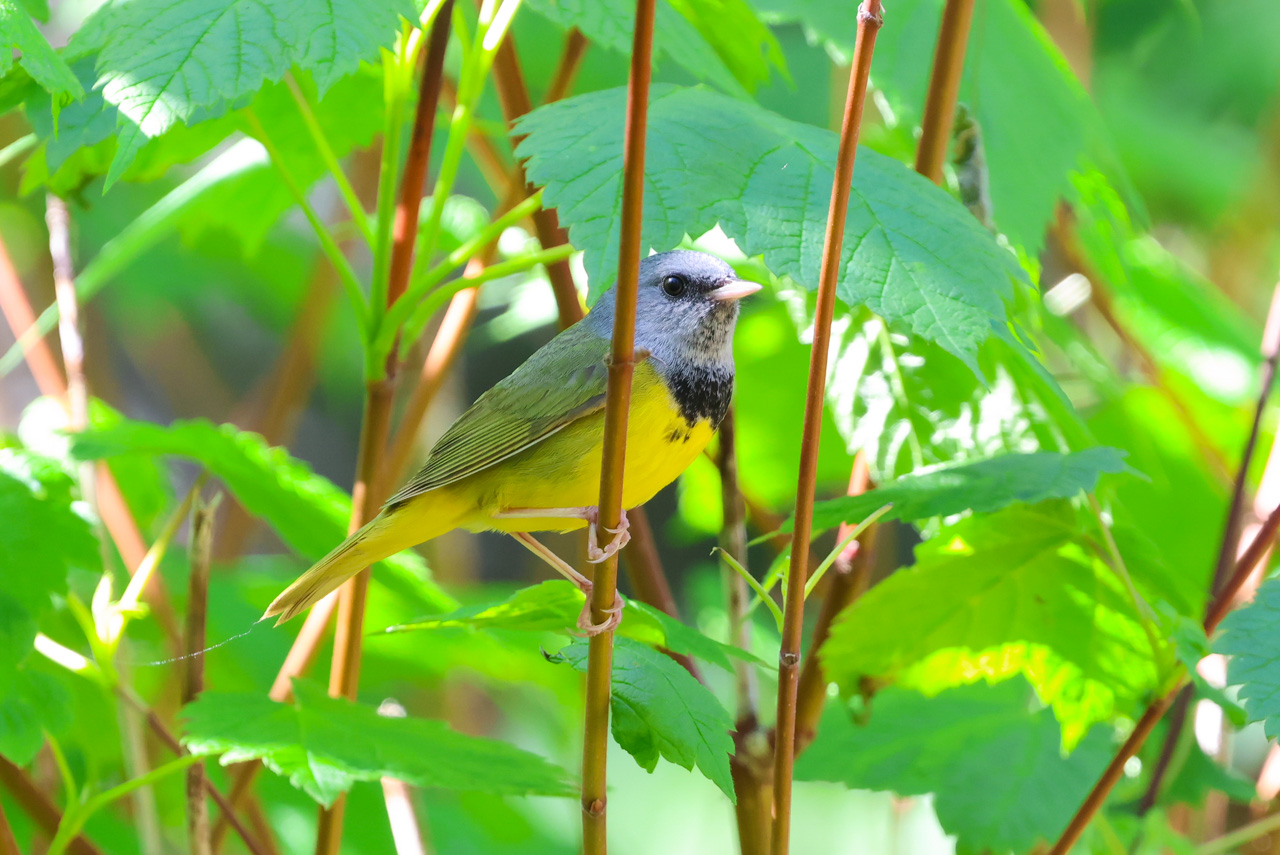
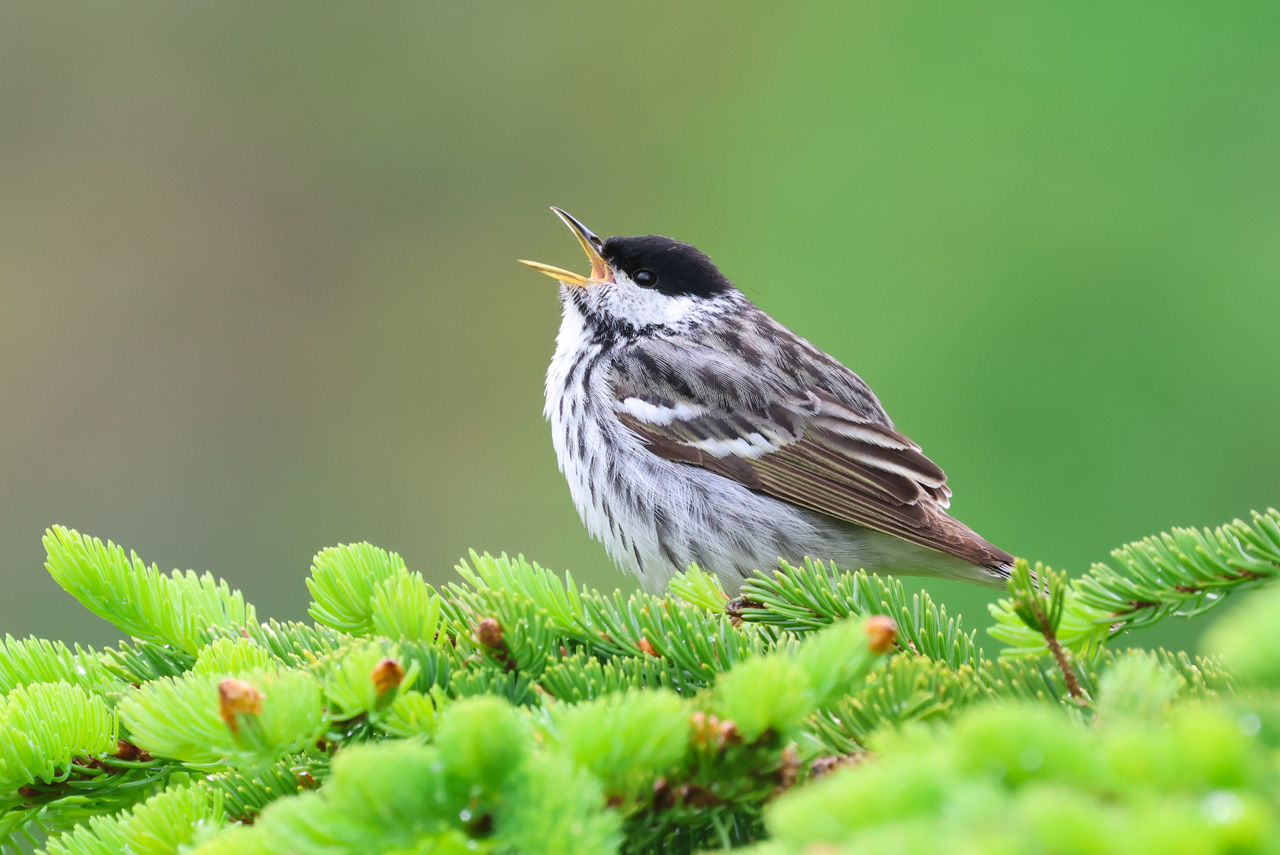
By June 26, the expedition shifted to the interior of the island, focusing on the Grand Falls-Windsor region. The Corduroy Brook Nature Trail served as the primary site for observing songbird activity. Biologists note that this region’s boreal forest is a critical corridor for migratory birds. The group’s observation of fledged young across multiple species, including the American Redstart and Wilson’s Warbler, confirms that the late-June period is peak activity for avian reproduction in this latitude.
The afternoon session involved a visit to the Exploits Valley Salmonid Interpretation Centre. The Exploits River, the largest on the island, acts as a primary artery for Atlantic Salmon migration. Despite the challenges posed by high water levels following significant regional precipitation, the group observed salmon navigating the fish ladders. This site remains a critical point of interest for both tourists and conservationists tracking the health of the North Atlantic salmon populations.
Terra Nova and the Shift to the Avalon Peninsula
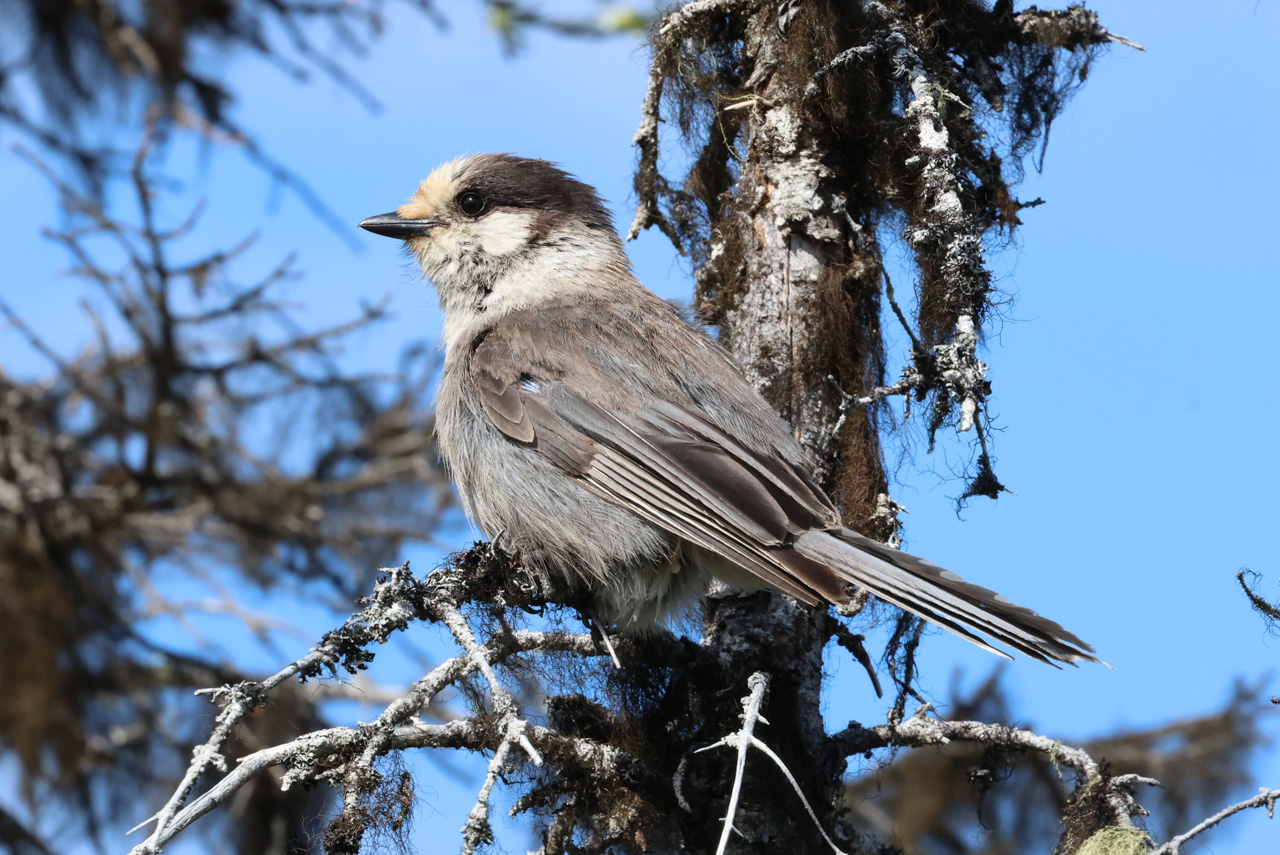
On June 27 and 28, the tour focused on Terra Nova National Park, Canada’s most easterly national park. The park’s geography—characterized by sheltered inlets and vast spruce-larch bogs—offers a different environmental profile from the western coast. The group identified the Canada Jay and the Olive-sided Flycatcher, the latter of which is currently listed as a species of concern under Canada’s Species at Risk Act (SARA) due to population declines across its North American range.
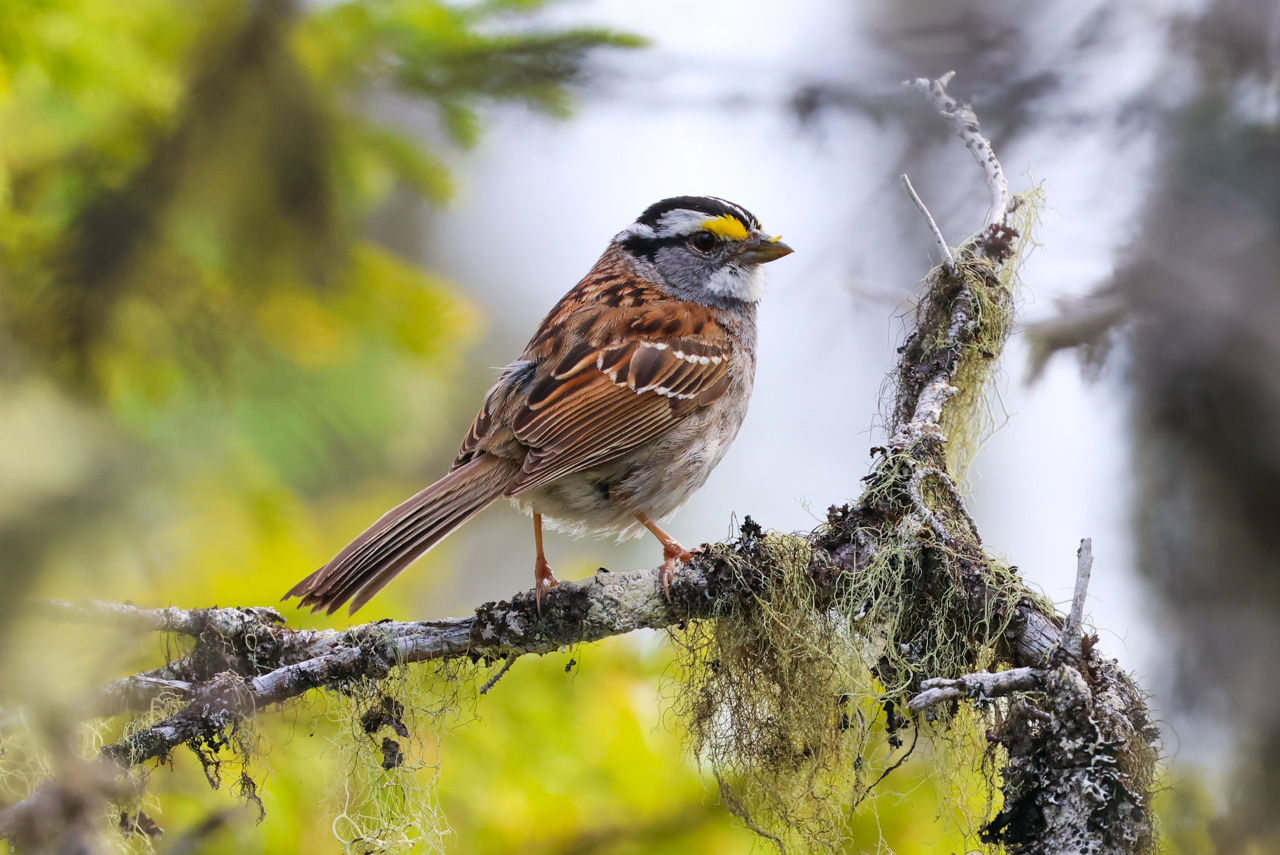
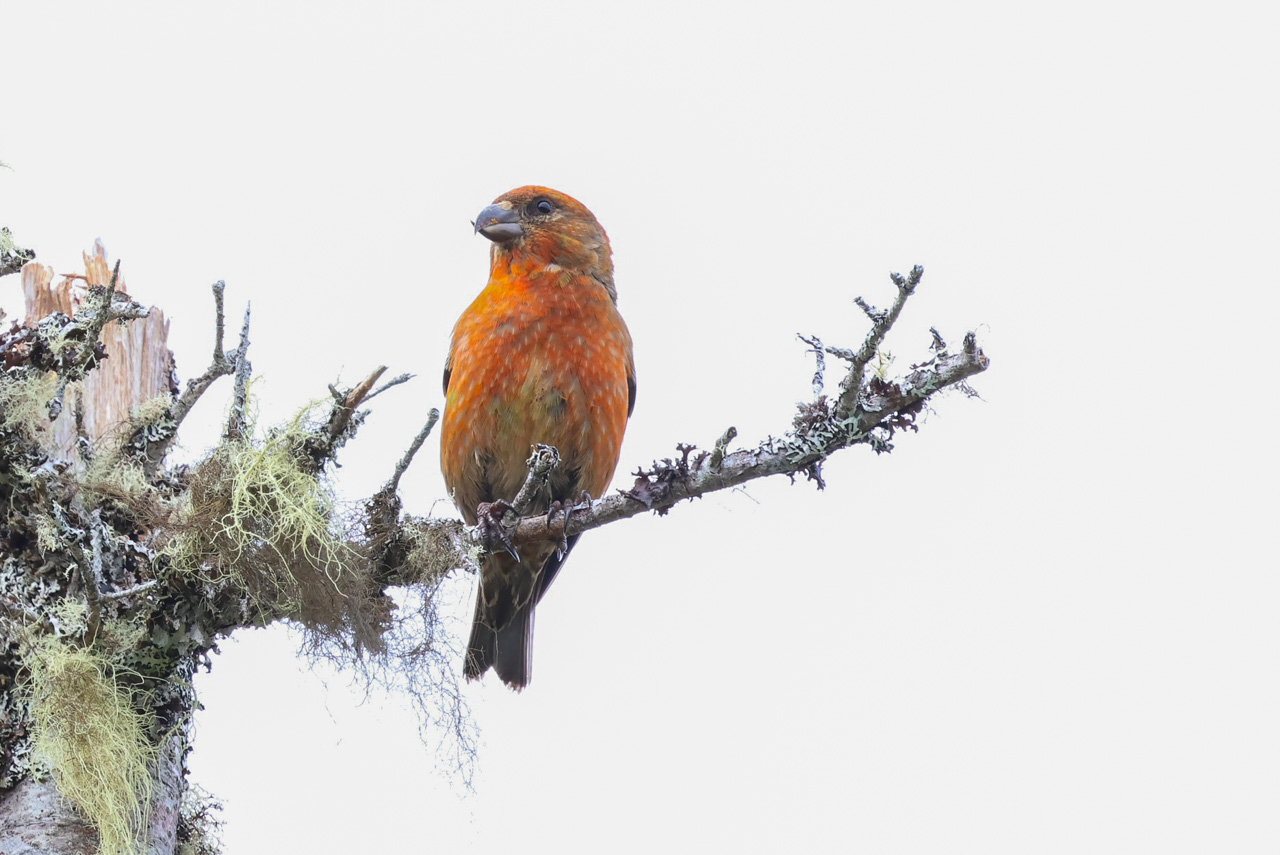
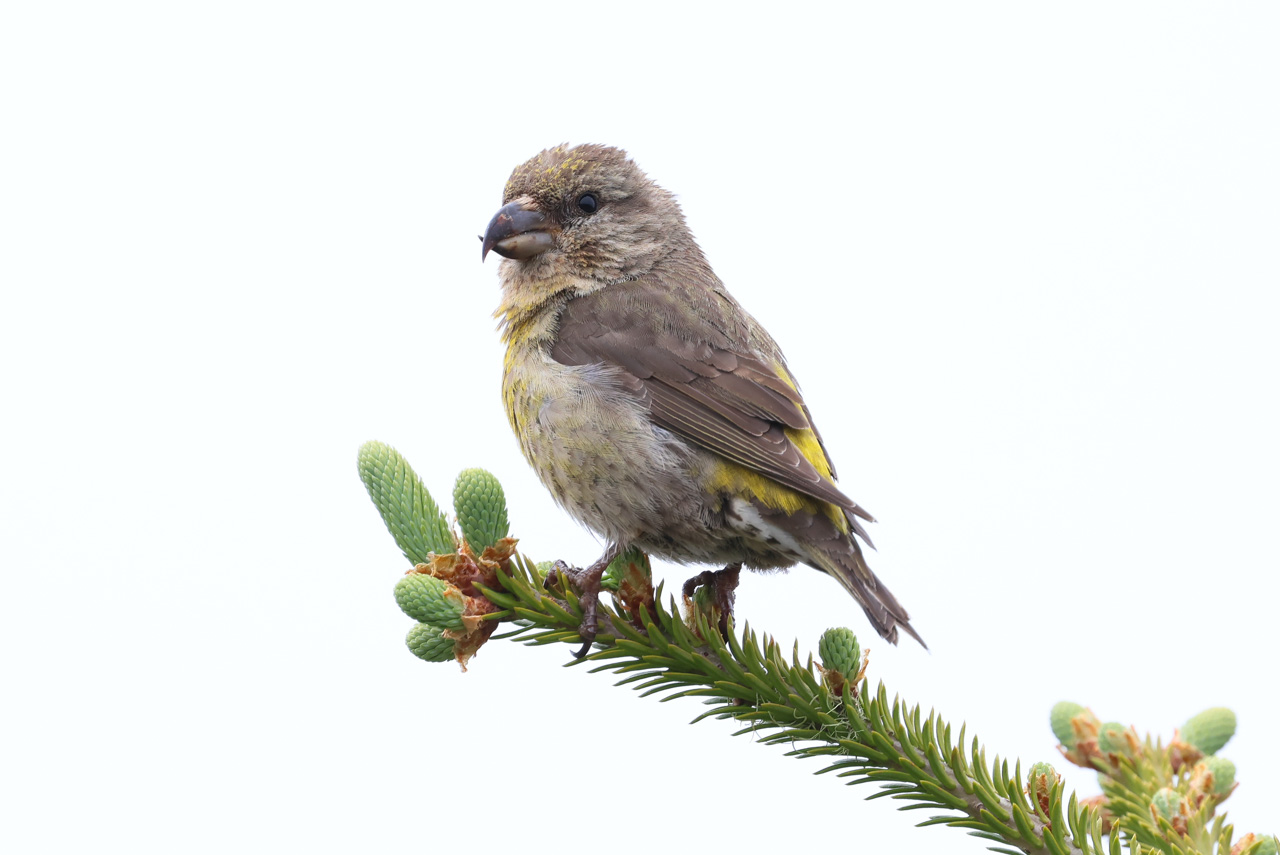
The transition to the Avalon Peninsula included a stop at Castle Hill National Historic Site in Placentia. This location provided the group with essential context regarding the 17th-century European settlement and the cod fishery, which has historically dominated the island’s economy and social structure. Of particular interest to the ornithologists in the group was the identification of the percna race of the Red Crossbill. This subspecies is endemic to Newfoundland and is highly adapted to the local conifer cones, representing a distinct biological population that researchers closely monitor.
The Seabird Colonies of Cape St. Mary’s
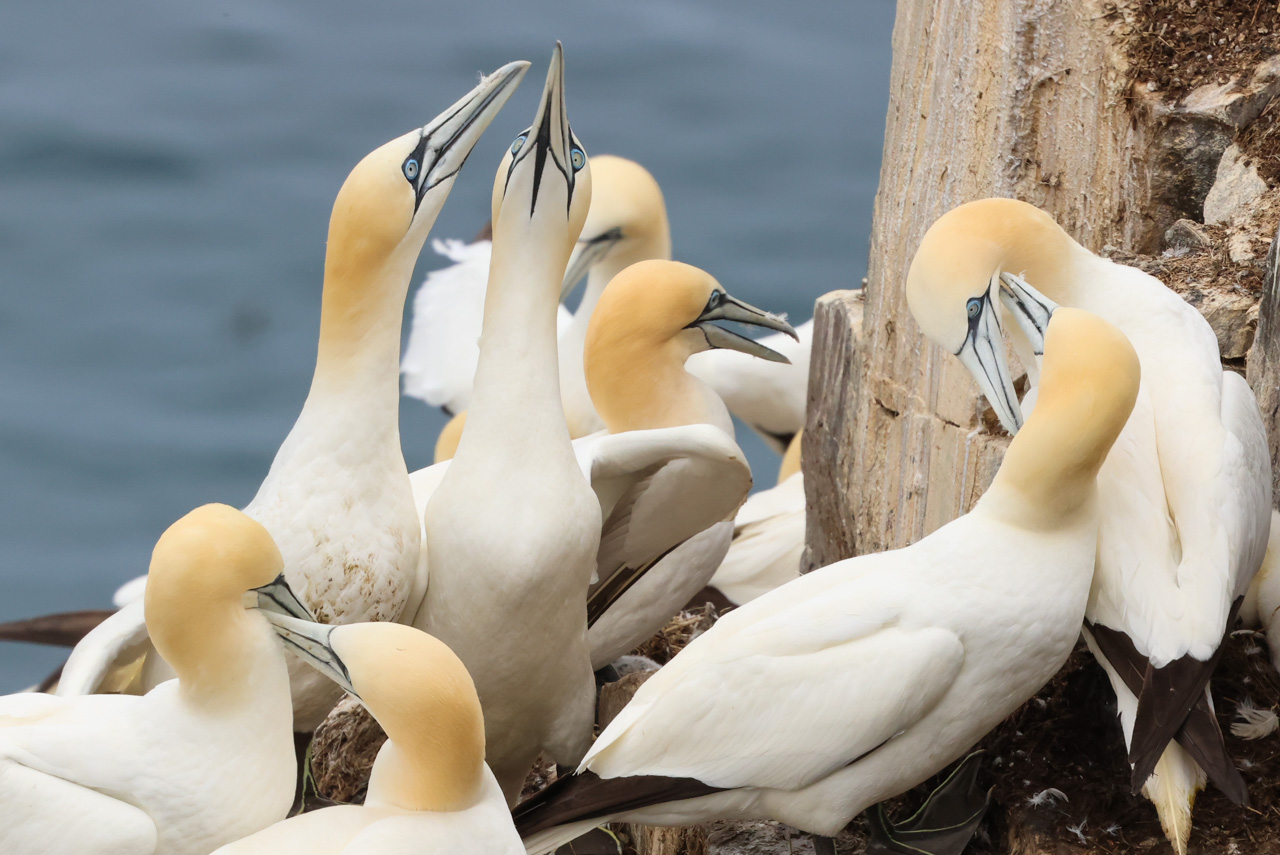
The expedition reached one of its most anticipated milestones on June 29 at the Cape St. Mary’s Ecological Reserve. The site is recognized globally for its massive seabird colony, which includes the third-largest Northern Gannet colony in North America. The favorable weather conditions allowed for clear, unobstructed observation of thousands of nesting Gannets, Common Murre, and the less common Thick-billed Murre.
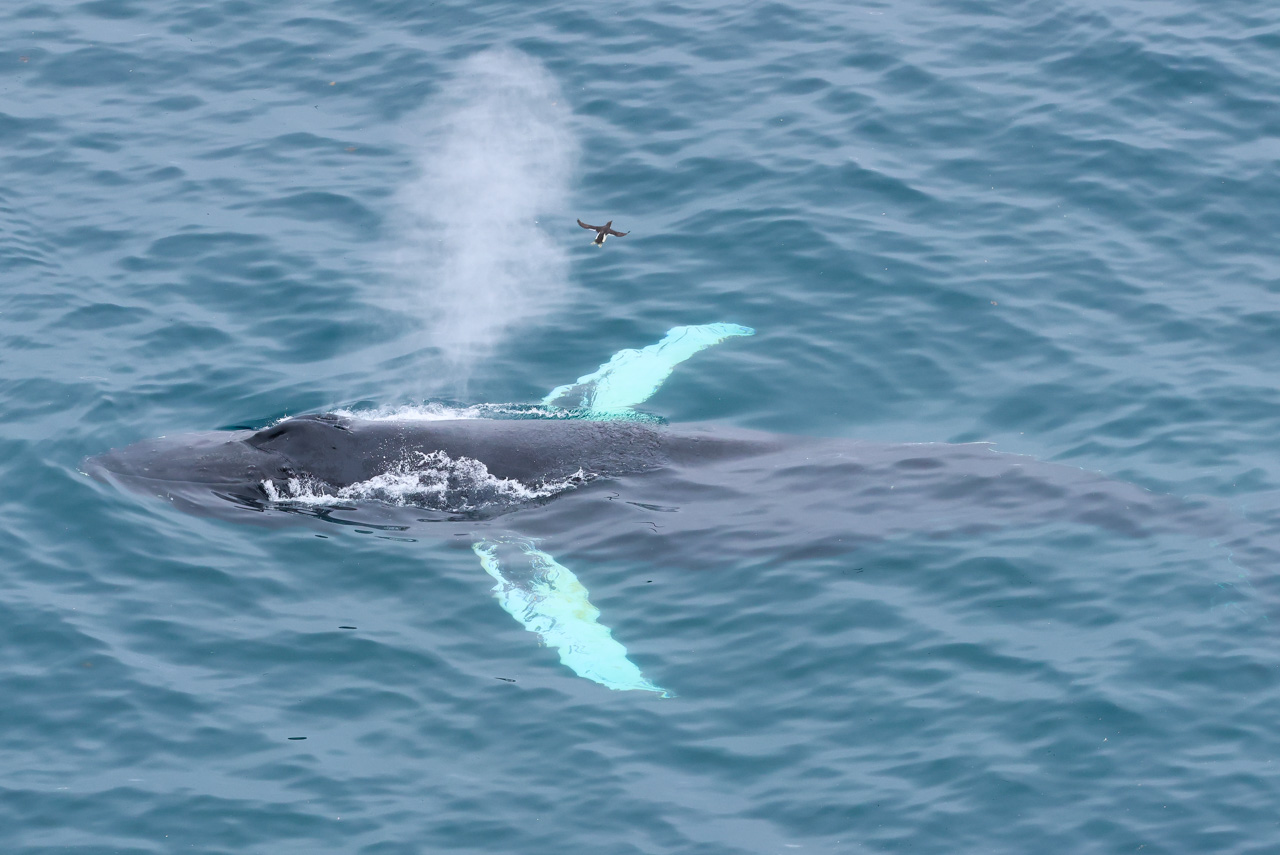
Beyond the cliff-side activity, the marine environment proved equally vibrant. A Humpback Whale was observed feeding in the immediate vicinity of the cliffs. The clarity of the water provided an rare, extended view of the animal’s behavior. Furthermore, the observation of a Willow Ptarmigan family, including fourteen fledged chicks, underscored the productivity of the subarctic barrens. The presence of these birds on the barrens is a indicator of the health of the heathland ecosystem, which is currently subject to changing climate conditions that may affect the availability of winter forage.
Southeastern Avalon: The Irish Loop and Global Rarity
The final stages of the tour, from June 29 to July 3, involved navigating the "Irish Loop," a coastal route that highlights the dramatic shift from the treeless barrens of the southern tip to the lush, sheltered bays of the eastern coast.
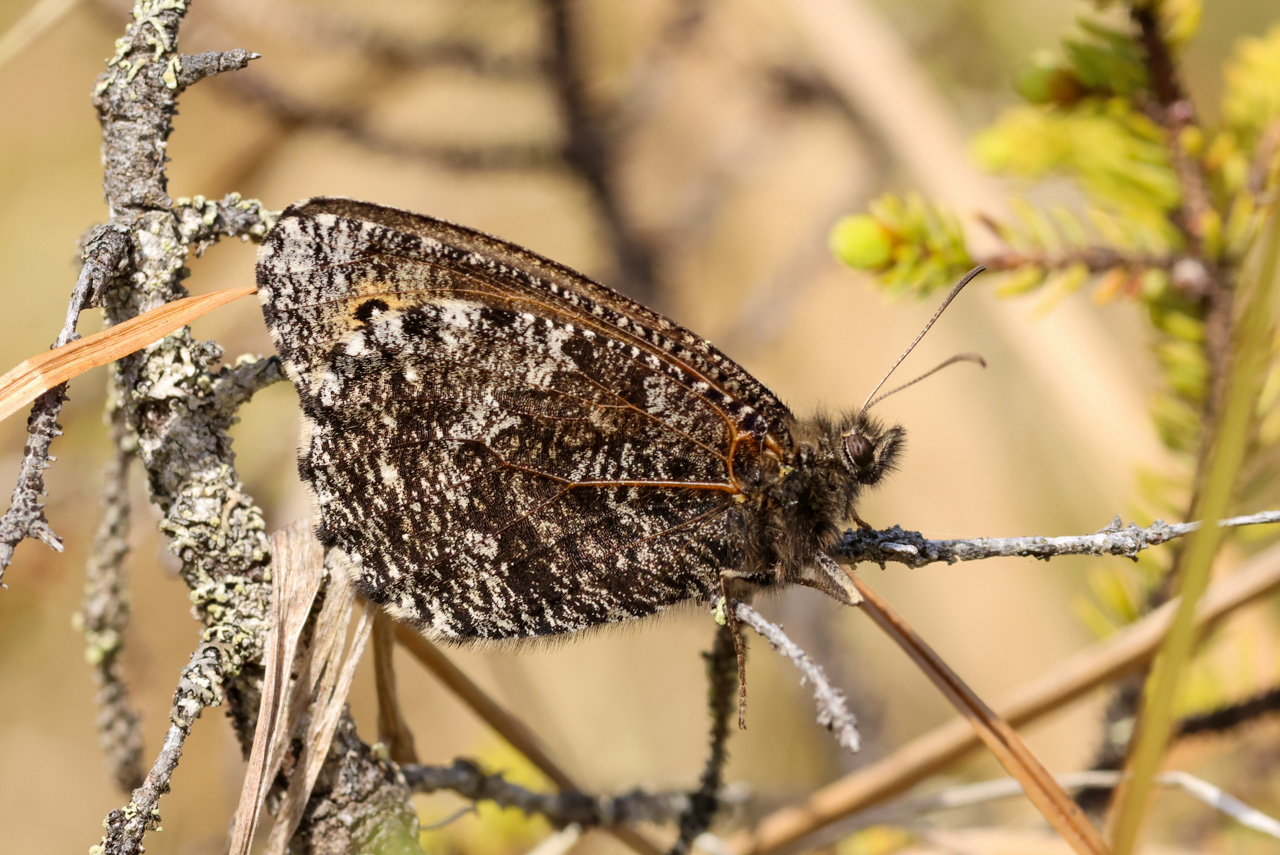
The "hyperoceanic barrens" of the Avalon Peninsula are globally rare, serving as a point where subarctic tundra meets the Atlantic. During the traversal to Cape Race, the group documented Short-eared Owls hunting over the barrens, a behavior indicative of the area’s robust small-mammal population. At Cape Race, the identification of a Short-tailed Swallowtail—a butterfly with a highly restricted geographical range—provided a highlight for the entomologically inclined participants.
The presence of the "capelin roll"—the annual spawning of capelin on the beaches—offered a practical demonstration of the food web’s interconnectedness. These small fish serve as the primary food source for the millions of seabirds, whales, and larger predatory fish that inhabit the waters of the Witless Bay Ecological Reserve. The observation of this phenomenon in Portugal Cove South and later in Witless Bay provided the group with an understanding of why this specific corridor is one of the most productive marine environments in the North Atlantic.
Conclusion: St. John’s and Conservation Implications
The expedition concluded in St. John’s, utilizing the city as a base to visit the Witless Bay Ecological Reserve. A boat tour of the reserve, home to approximately 4.5 million breeding seabirds, including the largest Atlantic Puffin colony in North America, served as the capstone event.
The final days also included a visit to Cape Spear, the easternmost point in North America. Observations here included the Gray-cheeked Thrush, a species that has seen significant population declines over the last several decades, drawing focus to the importance of habitat preservation in the boreal forest. The group concluded their tour at The Rooms, the provincial museum and art gallery, to contextualize their natural observations within the broader historical and cultural narrative of Newfoundland.
From a scientific perspective, the trip served as an informal survey of current environmental conditions. The successful sightings of both endangered and endemic species suggest that while some populations face pressure from habitat loss and climate change, the protected areas within Newfoundland remain vital refugia. The diversity of the observations—ranging from rare butterflies and endemic crossbills to the massive seabird colonies and marine mammals—highlights the island’s unique position as a natural laboratory for North American ecology. The participants departed with a heightened understanding of the fragility of these systems and the importance of continued conservation efforts in the face of environmental volatility.
