
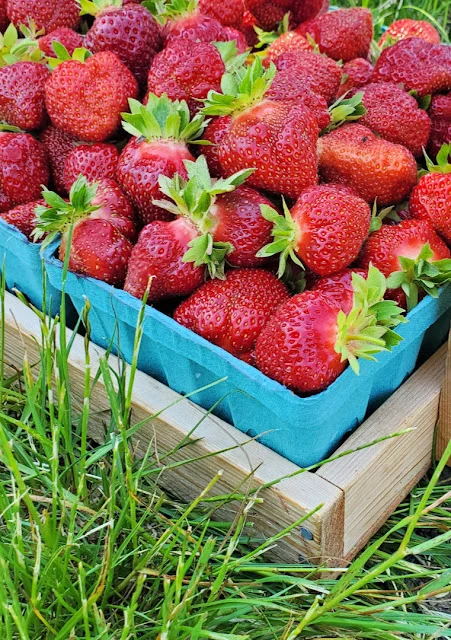
The integration of fresh produce into the diets of backyard poultry has become a focal point for small-scale agriculturalists and hobbyists seeking to optimize flock health. Among the various supplemental foods offered to chickens, strawberries—along with other members of the Fragaria genus—are frequently cited as beneficial additions. However, scientific consensus and avian dietary guidelines necessitate a nuanced approach to feeding, balancing the nutritional density of these fruits against the physiological limitations of domestic chickens.
Nutritional Profile and Avian Physiology
Strawberries are recognized as nutrient-dense supplements, containing essential vitamins and minerals that can contribute to the overall well-being of a flock. From a biochemical perspective, these berries are rich in vitamin C, which acts as a potent antioxidant, and vitamin K, which plays a critical role in blood coagulation and bone metabolism. Furthermore, the presence of manganese, potassium, folate, and dietary fiber facilitates metabolic regulation and cardiovascular health in birds.

When consumed in moderation, strawberries provide a significant boost to the immune system. The antioxidants found within the fruit help neutralize free radicals, which is particularly relevant for high-output laying hens under physiological stress. Unlike some processed treats that lack nutritional value, strawberries offer a caloric density that serves as a functional snack rather than merely an empty-calorie indulgence.
The Role of Plant Anatomy in Digestive Health
One of the most significant, yet often overlooked, aspects of feeding strawberries to poultry is the utility of the entire plant. While commercial consumers typically discard the green caps, stems, and leaves, these components are highly suitable for avian consumption.
Research into avian nutrition suggests that the tannins and iron content present in the strawberry calyx—the green, leafy top of the berry—provide specific digestive support. Tannins act as natural astringents and can assist in modulating gut flora, potentially serving as a mild protective agent against minor digestive imbalances. Consequently, nutritionists and experienced poultry keepers recommend that the entire strawberry unit be offered to the flock, maximizing the utilization of the plant’s micronutrients while reducing household food waste.

The Ten Percent Rule: Balancing Dietary Intake
Despite their nutritional benefits, strawberries possess high concentrations of natural fruit sugars (fructose). In the context of avian metabolism, an excessive intake of sugar can lead to rapid fermentation in the digestive tract, potentially resulting in osmotic diarrhea and electrolyte imbalances.
To mitigate these risks, poultry science experts recommend the "10% rule." This standard dictates that supplemental treats—including fruits, vegetables, and kitchen scraps—should constitute no more than 10% of a chicken’s total daily caloric intake. For the average laying hen, this translates to approximately one to two tablespoons of fruit per bird, per day. Adhering to this limit ensures that the chicken’s primary diet, which consists of formulated layer feed designed to meet specific protein, calcium, and amino acid requirements, remains the foundation of their nutritional regimen.
Chronology of Dietary Best Practices in Poultry Management
The shift toward more diverse, natural-focused feeding practices has evolved significantly over the last two decades. In the early 2000s, the focus for backyard keepers was primarily on survival and basic egg production. By the 2010s, with the rise of the "farm-to-table" movement, information regarding supplemental feeding grew more sophisticated.

- 2005–2010: Increased interest in backyard poultry led to the first waves of formal, non-commercial advice regarding "human-grade" supplementation.
- 2011–2015: Veterinarians and avian nutritionists began publishing guidelines on the toxicity and benefits of specific garden produce, formally distinguishing between safe fruits (like strawberries) and toxic substances (like nightshades or avocado pits).
- 2016–Present: A standardized approach has emerged, emphasizing the importance of organic sourcing to prevent pesticide toxicity, alongside a broader understanding of how fruit-based diets influence egg yolk quality and shell integrity.
Implications of Pesticide Exposure
A critical, often overlooked variable in feeding produce to poultry is the prevalence of chemical residues. Strawberries are consistently ranked among the "Dirty Dozen" by environmental working groups due to the high frequency of pesticide and herbicide applications during their cultivation.
Chickens are highly sensitive to systemic toxins. The ingestion of berries coated in synthetic pesticides can lead to acute or chronic toxicity, which may manifest as reduced egg production, lethargy, or, in severe cases, neurotoxicity. To ensure flock safety, keepers are advised to implement one of three strategies:
- Sourcing Organic: Purchasing certified organic strawberries eliminates the risk of synthetic pesticide ingestion.
- Home Cultivation: Growing strawberries in a closed-system garden allows the owner to control the use of fertilizers and pest-control measures.
- Rigorous Sanitation: In the absence of the above, thorough washing of store-bought berries is mandatory to reduce the surface load of chemical residues.
Analysis of Health Impacts
From a long-term health perspective, the inclusion of strawberries can influence the "flock-wide" state of health. The fiber content in strawberries supports healthy peristalsis, while the vitamin profile assists in maintaining strong skeletal structures, which is vital for birds prone to osteoporosis due to consistent egg production.

However, the impact is strictly dose-dependent. A common error among novice keepers is the "treat-first" mentality, where birds are offered excessive amounts of fruit, leading to a refusal of their primary balanced feed. This creates a nutritional deficit where the bird consumes carbohydrates but lacks the protein necessary for feather growth and muscle maintenance. Poultry keepers should view strawberries as a reward or a training tool rather than a dietary staple.
Professional Guidance and Industry Standards
Leading figures in the poultry husbandry field, such as authors and consultants specializing in natural, old-timer methods, emphasize that the key to healthy poultry lies in the stability of their base feed. Lisa Steele, a prominent authority in the backyard chicken-keeping community, has long advocated for the use of natural, whole-food treats like strawberries as a method of enriching the environment for the birds.
By providing treats that require pecking and tearing, such as whole strawberries, keepers provide mental stimulation, which reduces boredom-related behaviors like feather pecking. This environmental enrichment is a crucial component of modern animal welfare standards, ensuring that birds kept in confined backyard settings maintain natural foraging behaviors.

Conclusion: A Measured Approach
The evidence supports the classification of strawberries as a safe and highly beneficial treat for chickens, provided they are managed within a controlled dietary framework. The fruit offers essential vitamins, minerals, and antioxidants that support immune health, while the leaves and stems contribute beneficial tannins.
To maximize the benefits of this practice, poultry owners should prioritize organic sourcing, ensure that treats do not displace the primary nutritional intake, and maintain a strict adherence to the 10% daily limit. By integrating these practices, owners can enhance the quality of life for their flocks while ensuring they remain in optimal health for long-term production. As the backyard poultry industry continues to mature, the emphasis will undoubtedly remain on evidence-based supplementation that aligns with the biological needs of the domestic chicken.
