
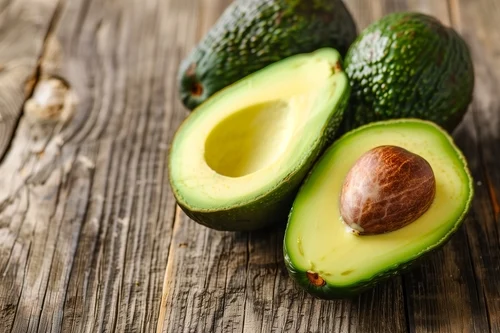
While the avocado is a celebrated staple of the human diet, renowned for its healthy fats and nutrient density, it remains a potent hazard within the agricultural and backyard poultry sectors. Veterinary science has long established that all components of the Persea americana plant—including the fruit flesh, the skin, the leaves, and the pit—harbor a dangerous fungicidal toxin known as persin. For backyard chicken keepers and commercial poultry producers alike, the ingestion of any part of this plant can lead to rapid physiological decline and mortality in domestic birds.
The Mechanism of Persin Toxicity
At the heart of the risk is persin, a lipid-soluble compound chemically classified as a fatty acid derivative. In nature, the avocado tree utilizes persin as a defensive mechanism to prevent fungal infections. However, when ingested by non-human species, particularly birds, the toxin disrupts normal cellular function.

According to data maintained by the Merck Veterinary Manual, the chemical structure of persin is remarkably effective at inducing cardiovascular distress in avian species. Once consumed, the toxin enters the bloodstream, where it leads to a cascade of negative effects, most notably the damage of cardiac muscle fibers. This damage often results in congestive heart failure. Clinical observations show that affected birds experience a rapid onset of respiratory distress, as the compromised heart can no longer effectively oxygenate the blood, leading to cyanosis—a distinct bluish tint to the comb and wattles—and eventually death.
Chronology of Risk and Exposure
The timeline of avocado poisoning is alarmingly compressed. In small birds, such as chickens, turkeys, or ornamental parrots, the ingestion of even a small fraction of the fruit can prove fatal. Research indicates that as little as 5% of an avocado—or even a few incidental pecks at a discarded skin or pit—can initiate a lethal reaction within 48 hours.
- Initial Ingestion: The bird consumes the flesh, leaves, or skin of the avocado.
- Absorption: Persin is absorbed through the gastrointestinal tract and enters the circulatory system.
- Onset of Symptoms: Within 6 to 12 hours, the bird may show lethargy, ruffled feathers, and a lack of appetite.
- Cardiopulmonary Failure: Within 24 to 48 hours, the bird begins to struggle for breath, often exhibiting open-mouthed breathing and fluid accumulation around the heart and lungs.
- Mortality: Without immediate, specialized veterinary intervention—which is rarely successful once symptoms manifest—death typically follows within the 48-hour window.
Susceptibility Across Species
While the focus remains on poultry, the danger posed by persin is not limited to chickens. Veterinary toxicology reports confirm that the sensitivity to this toxin varies by species, but the risk remains high across a broad spectrum of animals.

Mammals such as mice, rats, rabbits, and guinea pigs have demonstrated significant susceptibility to the toxin. Similarly, large flightless birds like ostriches and emus are highly sensitive, often suffering from the same fatal cardiac symptoms as smaller backyard poultry. Fish and various livestock, including sheep and goats, have also been documented as victims of avocado-related toxicosis, particularly when they have access to the leaves of the tree, where the concentration of persin is significantly higher than in the fruit itself.
Broader Implications for Poultry Management
The widespread popularity of avocado cultivation, particularly in regions like California, Mexico, and parts of the Mediterranean, has increased the frequency of accidental exposure. For backyard chicken owners, the primary risk often stems from improper waste disposal. Kitchen scraps are a common supplement for poultry; however, the lack of awareness regarding the chemical properties of avocados often leads to the inclusion of peelings and pits in compost or feed bins accessible to foraging birds.
Agricultural extension services emphasize the importance of rigorous biosecurity and feed management. The implication for the poultry industry is clear: the integration of kitchen waste into poultry feed must be strictly monitored. The "zero-tolerance" policy regarding avocado consumption is the only effective way to prevent mass losses in a flock.

Analysis of the Toxicological Threat
From a biological perspective, the lethality of the avocado is somewhat paradoxical. The fruit is technically edible for humans because our digestive systems are capable of neutralizing or processing the toxin in ways that avian and certain mammalian digestive tracts cannot. In birds, the absence of specific metabolic pathways makes them unable to detoxify the persin, leaving their cardiac tissues exposed to its destructive properties.
Data from veterinary journals suggests that the concentration of persin can fluctuate based on the cultivar of the avocado and the maturity of the plant tissue. Leaves, for instance, are significantly more toxic than the fruit pulp. However, because there is no "safe" threshold for consumption in birds, regulatory and agricultural experts advise against any level of exposure.
Mitigating Risks in the Backyard Environment
For those raising chickens, the responsibility extends to the entire landscape. If an avocado tree is present on the property, it is imperative to fence the area to prevent the flock from consuming fallen leaves or overripe fruit. Furthermore, owners must be vigilant about the disposal of culinary waste.

When establishing a safe diet for poultry, owners should rely on verified, nutrient-dense food sources. Healthy alternatives for chickens include leafy greens such as kale, chard, and spinach, as well as protein-rich grains and specialized layer feeds designed to support avian health without the risk of toxic additives.
Expert Guidance and Best Practices
The consensus among veterinary experts and professional poultry associations is definitive: there is no medical justification for including avocado in a bird’s diet. The risks far outweigh any potential nutritional benefit, as the fruit contains no essential nutrients for poultry that cannot be acquired from safer, non-toxic sources.
As the movement toward sustainable, home-based food production continues to grow, so too does the need for standardized education on toxic plants. Organizations such as the American Veterinary Medical Association (AVMA) and various poultry science departments at universities provide extensive resources for owners to cross-reference potential feed items.

Conclusion: A Preventive Mandate
The threat posed by the avocado plant is a stark reminder of the physiological differences between species. What constitutes a "superfood" for humans is a lethal weapon against avian physiology. For the modern poultry keeper, the mandate is simple: keep the avocado far from the coop.
By maintaining strict control over feed sources and educating oneself on the specific chemical hazards present in common vegetation, poultry owners can ensure the longevity and vitality of their flocks. Awareness of the toxic nature of persin is not merely a suggestion—it is a fundamental requirement for the humane and responsible stewardship of backyard chickens. In the absence of an antidote for persin poisoning, prevention remains the only viable strategy for protecting birds from this silent but potent agricultural hazard.
