
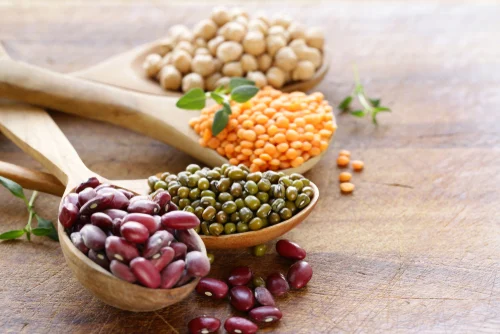
The question of whether backyard poultry can safely consume dried beans is a critical matter of animal husbandry, carrying significant health risks if handled incorrectly. Raw, dried beans contain a naturally occurring toxin known as phytohaemagglutinin, or lectin, which serves as a potent botanical defense mechanism against insects and pests. While this chemical compound is highly effective at protecting the plant in the wild, its ingestion by avian species—specifically domestic chickens—can result in severe physiological distress or even death. Understanding the science behind this toxicity is essential for any poultry keeper aiming to maintain a safe, productive flock.
The Science of Phytohaemagglutinin Toxicity
Phytohaemagglutinin (PHA) is a type of protein known as a lectin, which binds to carbohydrate-containing molecules on the surface of cell membranes. In the avian digestive tract, these lectins can bind to the lining of the gut, causing significant damage to the intestinal villi. This interference inhibits the absorption of essential nutrients and can lead to immediate digestive failure.

The symptoms of lectin poisoning in chickens are rapid and severe. Exposure to even a small quantity of raw beans can trigger acute gastrointestinal distress, characterized by intense vomiting, persistent diarrhea, and profound nausea. Because a chicken’s metabolic rate is exceptionally high, the systemic effects of the toxin take hold quickly. Clinical observations have indicated that as few as three to four raw beans can prove fatal to a standard-sized chicken. The toxin is particularly concentrated in specific varieties, such as red kidney beans, which contain higher levels of PHA than many other legumes.
Historical Context and Poultry Nutrition
The integration of legumes into poultry feed has been a subject of agricultural study for decades. While cooked beans provide a valuable source of plant-based protein, amino acids, and fiber, the agricultural industry has long recognized the necessity of thermal processing to neutralize anti-nutritional factors. Historically, the practice of "backyard" feeding—where owners supplement commercial feed with kitchen scraps—has occasionally led to accidental poisoning when raw, pantry-staple legumes are included in the mix.
Poultry nutritionists categorize beans as "anti-nutritional" when in their raw state. The shift toward more informed backyard farming practices has necessitated a clearer understanding of which household foods are safe for consumption. Unlike many other kitchen scraps, such as leafy greens or cooked grains, dry beans require a specific, non-negotiable preparation process to be rendered safe for animal consumption.

Preparation Protocols for Safe Consumption
To mitigate the risks associated with PHA, strict preparation protocols must be followed. The primary objective of these methods is the total denaturing of the lectin protein, which is achieved through prolonged exposure to heat.
- Soaking: The initial step involves soaking the dried beans in water for several hours. This process helps to rehydrate the legume and begin the breakdown of complex carbohydrates.
- Disposal of Water: The soaking water is highly contaminated with leached toxins and must be discarded entirely. It should never be used for watering plants or discarded where other animals might access it.
- Rinsing: After soaking, the beans must be thoroughly rinsed under fresh, clean water to remove any residual surface toxins.
- Thermal Processing: Boiling is the only reliable method to fully neutralize the toxin. The beans must be brought to a consistent, high-temperature boil for an extended period. Some varieties may require boiling for up to 30 minutes to ensure the lectin is completely inactive.
- Cooling: Once the beans are soft and fully cooked, they must be cooled to room temperature before being served to the flock.
While some enthusiasts suggest that sprouting beans can neutralize toxins, agricultural experts warn against this, noting that it does not provide the same level of safety as thorough cooking. For kidney beans, in particular, boiling is the only industry-recommended method for ensuring the safety of the feed.
Canned Beans and Dietary Moderation
The use of canned beans in a poultry diet presents a different set of challenges. Because the canning process inherently involves high-pressure steam cooking, the PHA toxin is typically neutralized, rendering the beans safe from a toxicity standpoint. However, the commercial canning process involves the addition of significant quantities of sodium as a preservative.

Chickens are highly sensitive to excess salt intake, which can lead to kidney damage, dehydration, and issues with eggshell quality. If an owner chooses to supplement a flock’s diet with canned beans, they must follow a strict rinsing protocol. By placing the beans in a colander and rinsing them under cold, running water for several minutes, the majority of the surface sodium can be removed. Even with this precaution, canned beans should be considered an occasional treat rather than a primary food source, as they lack the nutritional balance required for a complete avian diet.
Broader Nutritional Context for Poultry
It is important to differentiate between dried, raw beans and other leguminous plants that are inherently safe for poultry. Fresh green beans, lima beans, and garden peas are generally safe for chickens to consume raw. These varieties do not contain the same concentrated levels of harmful lectins found in their dried, mature counterparts.
The goal of responsible flock management is to provide a diverse diet that supports immune function and egg production without introducing hidden dangers. Poultry keepers are encouraged to stick to a diet dominated by high-quality, nutritionally balanced commercial feed, supplementing only with verified safe treats.

Implications for Flock Management and Public Health
The risks associated with raw beans are not merely hypothetical; they represent a significant liability for those managing backyard flocks. Accidental ingestion can lead to the sudden loss of livestock, causing both financial and emotional distress for the owner.
Furthermore, the implications extend to the food safety of the eggs produced by these birds. While the toxin itself is unlikely to transfer directly into the egg, the stress caused by the poisoning can disrupt the hen’s reproductive system, leading to a temporary cessation in laying or a decline in the overall health of the bird.
Veterinary experts advise that if a chicken is suspected of having ingested raw beans, the owner should monitor the bird closely for signs of lethargy, refusal to eat, or labored breathing. Because there is no specific antidote for lectin poisoning, treatment is limited to supportive care, such as hydration and the administration of activated charcoal, provided by a veterinarian.

Conclusion: A Preventive Approach
The golden rule of poultry nutrition is that if a food item requires significant, specific preparation to be safe for human consumption, it almost certainly requires the same level of caution for chickens. When in doubt, the most prudent course of action is to omit the food item from the flock’s diet entirely. By adhering to the principle of "cooked only" for all dried legumes, poultry keepers can effectively eliminate the risk of accidental lectin poisoning, ensuring the long-term health and vitality of their backyard flocks. Knowledge of these simple, yet critical, dietary restrictions is a cornerstone of responsible, modern animal husbandry.
