
The question of whether potatoes are suitable for backyard poultry consumption has long been a subject of debate among agricultural experts, small-scale farmers, and avian nutritionists. While chickens are resilient omnivores capable of foraging for a diverse array of seeds, insects, and vegetation, their physiological limitations regarding specific botanical families necessitate careful management of their feed. The central challenge lies in distinguishing between distinct plant families that share the vernacular name "potato" but possess vastly different chemical profiles. Understanding the distinction between the nightshade family (Solanaceae) and the morning glory family (Convolvulaceae) is essential for maintaining flock health and preventing chronic toxicity.

Botanical Classification and the Solanine Factor
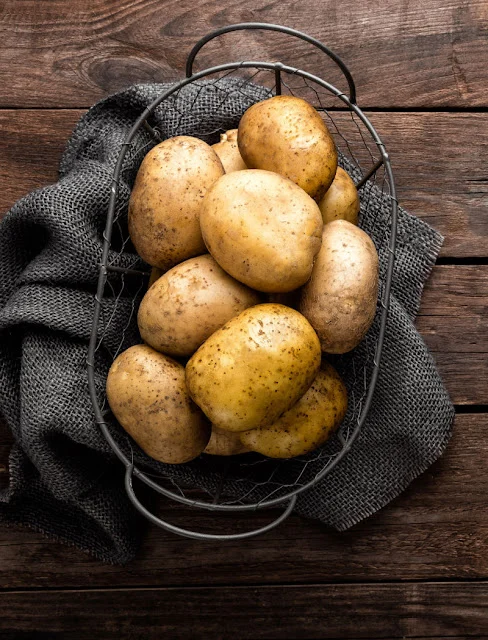
White potatoes, scientifically categorized as Solanum tuberosum, belong to the nightshade family, which includes tomatoes, peppers, and eggplants. These plants are biologically characterized by their production of glycoalkaloids, most notably solanine. Solanine acts as a natural pesticide, serving as a defensive mechanism against insects and fungal pathogens. In agricultural studies, it has been observed that while solanine concentrations are highest in the leaves, stems, and skin—particularly in green, sun-exposed, or sprouted tubers—the flesh of the white potato also retains these compounds.

When ingested by avian species, solanine functions as a neurotoxin. Although modern poultry breeds are generally robust, the ingestion of solanine-heavy plant matter can lead to gastrointestinal distress, cardiovascular irregularities, and in severe cases, neurological impairment. Scientific consensus within veterinary nutrition circles advises that the risks associated with white potatoes outweigh any potential nutritional benefit. Unlike many other vegetable scraps that provide supplemental vitamins, the presence of solanine creates a permanent barrier to safe consumption, even after standard culinary preparation.
Chronology of Toxicity Research and Poultry Health

Historical observations in poultry husbandry have consistently flagged nightshade-family plants as potential hazards. Throughout the 20th century, as industrial poultry production expanded, researchers began isolating specific compounds that contributed to sporadic flock illnesses. Documentation from veterinary archives suggests that while acute, fatal toxicity is relatively rare in home-reared flocks, sub-clinical exposure is a more significant concern.
Chronic exposure to low levels of toxins can lead to the gradual degradation of organ function, particularly in the liver and kidneys. Over the past several decades, the shift toward holistic and organic backyard chicken keeping has highlighted the necessity of rigorous dietary screening. Owners often report that chickens may consume potato scraps without immediate mortality, leading to a common misconception that the food is safe. However, agricultural scientists caution that the absence of immediate, visible symptoms does not equate to the absence of physiological damage. The cumulative nature of neurotoxins means that the "wait and see" approach often results in long-term health complications that are difficult to diagnose once they manifest.

Nutritional Profiles: Sweet Potatoes and Yams
In contrast to the white potato, the sweet potato (Ipomoea batatas) is a member of the morning glory family and is entirely devoid of solanine. From a nutritional standpoint, sweet potatoes are significantly superior for poultry. They are rich in beta-carotene—a precursor to Vitamin A, which is essential for healthy egg production, immune system support, and vibrant skin and feather coloration. Furthermore, sweet potatoes provide a high concentration of potassium, manganese, and dietary fiber, which aids in digestion and maintains optimal gut microbiome health.

Yams (Dioscorea), which are botanically distinct from both sweet potatoes and white potatoes, belong to the lily family. While they are safe for consumption, they differ in their requirements for preparation. Unlike sweet potatoes, which can be fed raw or cooked, yams contain proteins that are biologically active and potentially irritating in their raw state. Therefore, a "cook-before-feeding" mandate remains the industry standard for yams to ensure the denaturation of these proteins and to mitigate the effects of oxalic acid, which, in excess, can interfere with calcium absorption and lead to thin-shelled eggs.
Supporting Data on Dietary Management

Nutritionists recommend that treat-based feeding should never exceed 10% of a chicken’s total daily caloric intake. This 10% rule is critical for preventing nutritional imbalances. When integrating sweet potatoes or cooked yams into a flock’s diet, owners should adhere to this ratio to ensure the birds continue to receive the necessary protein, amino acids, and minerals provided by their primary formulated layer feed.
Research indicates that the ideal method for offering these root vegetables is to dice them into manageable pieces. This prevents choking hazards and ensures that all members of the flock have equitable access to the nutrition. Furthermore, the practice of feeding cooked, mashed sweet potatoes during cold weather months has been documented as a helpful way to provide supplemental carbohydrates, which can assist in maintaining body temperature during winter.

Implications for Farm Management and Policy
The broader implication for the backyard farming community is the necessity of "botanical literacy." As the trend of sustainable urban and suburban farming continues to grow, the responsibility for animal welfare rests heavily on the owner’s ability to interpret botanical safety data. The confusion surrounding the naming conventions of tubers is a prime example of why standardized feeding guidelines are necessary.

Agricultural extension services and veterinary professionals advocate for a "precautionary principle" when selecting scraps for poultry. If a plant’s toxicity is known or even suspected, it should be excluded from the diet. This is particularly important for owners who allow their chickens to free-range. If white potato plants are being cultivated in a garden, they should be securely fenced off. Chickens are opportunistic foragers and will instinctively peck at green foliage, unaware of the chemical defenses contained within the nightshade leaves.
Expert Synthesis and Best Practices

When synthesizing the available evidence, the recommendations for poultry keepers are clear and tiered based on the specific tuber type:
-
White Potatoes (Solanum tuberosum): Avoid entirely. The risks associated with solanine toxicity—even in cooked, peeled, or ripened tubers—are not worth the potential for long-term health degradation. The foliage, stems, and eyes of these plants should be strictly excluded from the coop and run environment.

-
Sweet Potatoes (Ipomoea batatas): Highly recommended. These serve as an excellent, nutrient-dense treat. They may be served raw, cooked, or in the form of scraps. The vines and leaves of the sweet potato plant are also safe and can provide additional roughage and vitamins.
-
Yams (Dioscorea): Permissible with preparation. Yams must be cooked to neutralize harmful proteins. They should be offered in moderation to avoid the negative effects of oxalic acid on eggshell quality.

The integration of these vegetables into a flock’s diet should always be accompanied by observation. Regardless of the safety profile of a treat, individual chickens may have sensitivities. Monitoring for changes in stool consistency, eggshell integrity, or behavioral lethargy is the best way to determine if a new food item is compatible with a specific flock.
As the movement toward backyard poultry keeping gains mainstream popularity, the dissemination of accurate, scientifically-backed information becomes a matter of animal welfare. By differentiating between the nightshade and morning glory families, poultry owners can optimize their flock’s nutrition while eliminating unnecessary health risks. The goal remains consistent: to provide a balanced, natural diet that supports the longevity and productivity of the birds, ensuring that every dietary addition contributes to, rather than compromises, their overall health.
