
Backyard chicken keeping has surged in popularity over the last decade, with millions of households integrating poultry into their sustainable living practices. While these birds are celebrated for their ability to process kitchen scraps, control garden pests, and provide nutrient-dense eggs, the dietary freedom afforded to them often leads to significant health risks. Chickens are opportunistic omnivores, yet their physiological makeup is distinct from mammals, making them susceptible to common botanical and chemical toxins that are frequently overlooked by novice keepers.

The Biological Reality of Avian Digestion
The anatomy of a chicken’s digestive tract—comprising the crop, proventriculus, gizzard, and intestines—is highly efficient at processing fibrous plant matter, insects, and grains. However, unlike humans or canines, avian metabolic pathways are sensitive to specific alkaloids and compounds found in common household items. Veterinarians specializing in poultry medicine, including experts from the Merck Veterinary Manual and various agricultural extension services, emphasize that "toxic" in an avian context does not always imply immediate lethality. Instead, many toxins operate cumulatively, causing organ failure, reproductive disruption, or long-term systemic stress that may go unnoticed until the bird’s condition becomes critical.

Primary Botanical Toxins: The Nightshade Family
One of the most persistent misconceptions in backyard farming involves the nightshade family (Solanaceae). Plants such as white potatoes, tomatoes, peppers, and eggplants contain varying concentrations of solanine and chaconine. While ripe tomatoes and peppers are generally safe in moderation, the foliage, stems, and raw green fruit of these plants pose a genuine threat.

Solanine acts as a potent acetylcholinesterase inhibitor. In clinical cases, this disrupts the nervous system and leads to the destruction of red blood cells. Symptoms of solanine toxicity include diarrhea, lethargy, decreased body temperature, and, in severe instances, respiratory arrest. It is a biological reality that cooking does not always neutralize these toxins; boiling, for instance, is largely ineffective against the chemical structure of solanine. Consequently, agricultural best practices dictate that poultry should be excluded from garden areas where these plants are actively growing or where green debris is discarded.

Critical Risks: Avocado and Cyanogenic Glycosides
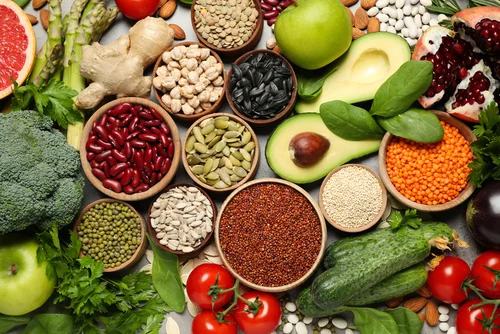
Perhaps the most dangerous item in the domestic kitchen for a chicken is the avocado. Every part of the avocado plant—the skin, pit, and flesh—contains persin, a fungicidal toxin. The susceptibility of birds to persin is exceptionally high compared to mammals. Research indicates that even a minute ingestion can lead to myocardial necrosis (the death of heart muscle tissue). Within 24 to 48 hours of consumption, a chicken may exhibit signs of respiratory distress, fluid accumulation in the chest cavity, and sudden death.

Similarly, the seeds of stone fruits—including cherries, peaches, plums, apricots, and apples—contain amygdalin, a compound that releases hydrogen cyanide when metabolized. While the flesh of these fruits is safe, the accidental ingestion of the seeds, particularly if crushed, can lead to rapid onset cyanide poisoning. Symptoms manifest as a sudden change in comb color to a bluish-purple hue, gasping for air, and rapid cardiac collapse.

Chemical Hazards and Industrial Contaminants
Modern poultry health is not only impacted by dietary choices but also by environmental contaminants. The use of pesticides, herbicides, and lawn treatments on the forage grounds of a flock creates a high-risk environment. Because chickens are prone to "pecking and scratching" behaviors, they ingest soil particles and vegetation that concentrate these chemicals.

Toxicology reports frequently cite organophosphate poisoning in backyard flocks that have been exposed to recently treated turf. These chemicals, designed to kill insects, are highly neurotoxic to birds. The implication is clear: if a lawn or garden area has been treated with commercial chemicals, the flock must be sequestered for a period significantly longer than the manufacturer’s recommended reentry window to ensure the safety of both the birds and the resulting egg production.

The Role of Essential Nutrients and Anti-Nutrients
While owners often seek to provide a diverse diet, certain "healthy" human foods contain anti-nutrients that can impede a hen’s productivity. Spinach, for instance, contains high levels of oxalic acid, which binds to calcium. In a laying hen, calcium is the most critical mineral for shell formation. When oxalic acid is consumed in excess, it leaches calcium from the bird’s bones, leading to thin-shelled eggs, potential egg-binding, and long-term skeletal issues.

Similarly, dairy products, while rich in calcium, pose a digestive hurdle. Chickens lack the enzyme lactase required to break down lactose. Consequently, feeding significant quantities of cheese or milk often results in severe osmotic diarrhea, which can lead to dehydration and an electrolyte imbalance within the flock.

Managing Dietary Intake: The 10% Rule
Poultry nutritionists suggest that treats—defined as anything outside of a nutritionally balanced commercial layer feed—should never exceed 10% of a bird’s total daily caloric intake. This "10% rule" is the gold standard for maintaining the nutritional integrity of the flock. When treats exceed this threshold, they effectively dilute the vitamins, minerals, and proteins provided by the formulated feed, leading to "nutritional malnutrition" despite the bird having a full crop.

Chronology of Clinical Toxicity
The onset of symptoms following the ingestion of a toxin follows a predictable, albeit tragic, chronology:

- Initial Ingestion: The bird consumes the item, often because it is mixed with familiar food or is readily accessible in a confined space.
- Metabolic Phase: The toxin is absorbed into the bloodstream. During this period, the bird may appear normal, though internal organ stress begins.
- Clinical Manifestation: Within 6 to 48 hours, outward signs emerge. These may include a drop in egg production, changes in stool consistency, or a noticeable decrease in activity levels.
- Systemic Collapse: In the absence of intervention, toxins like cyanide or persin lead to multi-organ failure. By the time a keeper notices the bird is "off," the damage to the heart, liver, or kidneys is frequently irreversible.
Implications for Public Health and Food Safety
The implications of poor dietary management extend beyond the welfare of the flock. Substances that are toxic to the bird may not necessarily be present in the egg, but the physiological stress caused by chronic exposure to minor toxins can alter the immune status of the bird. A compromised immune system makes the flock more susceptible to bacterial pathogens like Salmonella, which has clear public health implications for the human consumers of those eggs.

Conclusion: A Proactive Approach to Flock Management
The responsibility of the backyard chicken keeper is to bridge the gap between the bird’s opportunistic nature and the reality of modern agricultural hazards. By strictly excluding known toxins such as avocado, raw dried beans, and nightshade foliage, and by limiting high-sugar, high-salt, or anti-nutrient-rich foods, keepers can ensure the longevity and health of their flocks.

When in doubt, the most prudent course of action is to rely on professional nutritional guidelines rather than anecdotal evidence. The goal of any backyard operation should be the production of a healthy bird, which inherently yields a higher quality, safer food product. Maintaining a clean, chemical-free environment and adhering to a controlled, supplemental feeding schedule remains the most effective strategy for preventing toxicity-related losses in the backyard poultry sector.
