
The Hawk Creek Wildlife Center, a renowned sanctuary dedicated to wildlife rehabilitation and environmental education, has officially unveiled its schedule for three distinctive public events throughout June. These programs, ranging from interactive family-oriented animal encounters to professional-grade photography sessions and adult-focused fundraising initiatives, serve as the cornerstone of the organization’s summer outreach strategy. By providing the public with direct access to raptors, wild cats, and exotic species, the center aims to foster a deeper understanding of biodiversity while securing the financial resources necessary to maintain its high standards of animal husbandry and veterinary care.
The Role of Enrichment and Public Education
At the heart of the center’s programming is the concept of animal enrichment, a critical practice in modern zoological management. Enrichment involves creating environments and activities that encourage natural behaviors, such as foraging, stalking, and problem-solving. By showcasing these behaviors to the public, Hawk Creek seeks to bridge the gap between human visitors and the biological realities of apex predators and scavengers.
The first of the June events, Animal Play Day, scheduled for June 14 from 1:00 p.m. to 4:00 p.m., offers an immersive look at this process. Unlike traditional zoo visits where animals are often viewed from a distance, this event emphasizes the "ambassador" status of the center’s residents. Visitors will observe the strategic application of enrichment—watching wild cats engage with toys to simulate hunting, corvids utilizing cognitive skills to solve complex puzzles, and mammals engaging in foraging activities.
From an educational standpoint, this event serves as a practical demonstration of behavioral biology. The inclusion of flying raptor demonstrations—which allow guests to witness the biomechanics of flight—provides a rare opportunity to appreciate the physical power of these creatures in an controlled, open-air environment. The economic model for this event is designed for accessibility, with tiered pricing: $16 for adults, $14 for veterans and seniors, $10 for children, and a bundled family pass at $45. By offering free admission for children aged four and under, the center positions itself as a destination for multi-generational learning.
Bridging Photography and Conservation
On June 17, the center shifts its focus to a specialized audience: wildlife photographers. The Wild Photo Day, running from 10:00 a.m. to 12:30 p.m., is a departure from standard public visitation hours. This event addresses a growing demand for "barrier-free" photography, a practice that is notoriously difficult in conventional zoo settings where safety glass and heavy fencing often obscure lenses.
By removing these visual barriers in a controlled, naturalistic setting, the center allows photographers to capture high-resolution imagery of eagles, hawks, and various wild cats. This event is not merely a recreational offering; it serves as a platform for wildlife documentation. Photographers, ranging from hobbyists to industry professionals, provide a vital service by capturing high-quality media that can be used to promote conservation awareness long after the event concludes.
The logistical requirements for this event are more stringent than others, necessitating pre-registration due to capacity limits. The price point of $60 for photographers reflects the unique value proposition of unobstructed access, while the $30 non-photographer rate allows companions to experience the session at a reduced cost. The inclusion of bird flight demonstrations ensures that participants have the opportunity to capture action shots, further enhancing the appeal for those specializing in avian photography.
The Intersection of Conservation and Fundraising
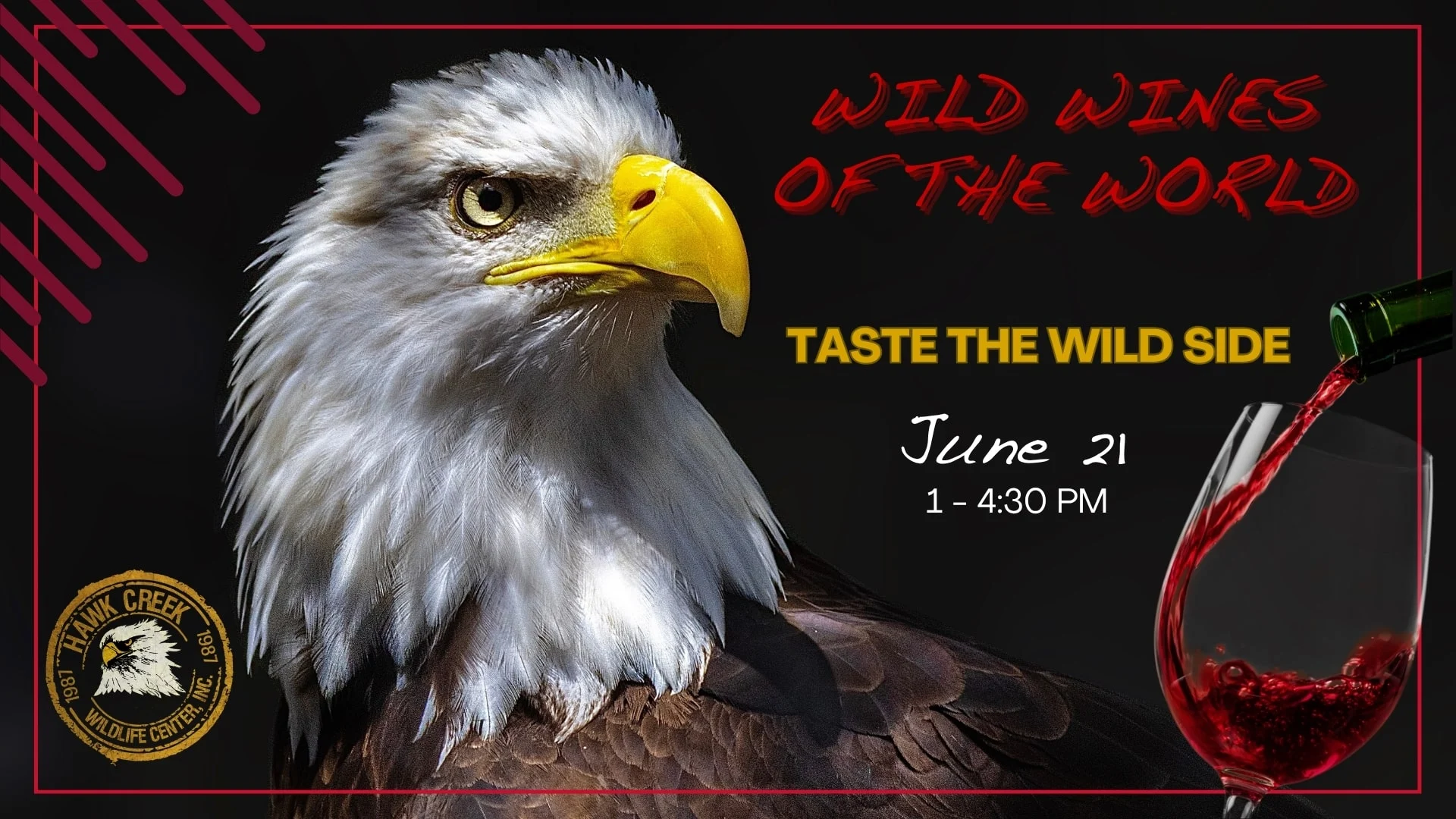
The month of programming culminates on June 21 with the 3rd Annual Wild Wines of the World event, taking place from 1:00 p.m. to 4:30 p.m. This event represents a strategic pivot toward donor cultivation through high-end experiential fundraising. By pairing wine education with animal advocacy, the center effectively targets a demographic of adult supporters who are interested in both conservation and cultural experiences.
The event is conceptually anchored in the geography of the center’s residents. By sourcing wine from the regions native to animals like Rufus the Bobcat and Cleo the Egyptian Vulture, Hawk Creek creates a tangible connection between global biodiversity and the local ecosystem of the sanctuary. Attendees receive a comprehensive package: two wine samples at each of the four designated stations, a commemorative tumbler, live musical accompaniment, and, most notably, direct interaction with the animals.
The inclusion of interactive elements—such as the opportunity to feed a porcupine or hold a non-native raptor for a photograph—serves as a high-value incentive for donors. In the non-profit sector, such "up-close" encounters are recognized as one of the most effective tools for increasing donor retention and fostering long-term organizational loyalty. Because this event is restricted to guests aged 21 and over, it creates a sophisticated atmosphere suitable for the auction-style and donor-driven nature of the afternoon.
Contextualizing the Impact of Hawk Creek
Hawk Creek’s continued operation is a testament to the ongoing need for wildlife rehabilitation centers that maintain a balance between public engagement and animal welfare. According to data from the Association of Zoos and Aquariums (AZA) and similar bodies, facilities that integrate education with animal care often see higher rates of public support for environmental legislation and conservation efforts.
The financial model of these three events is indicative of the "self-sustaining" approach required by many modern wildlife centers. With the cost of high-quality animal feed, veterinary services, and habitat maintenance rising, relying solely on donations is often insufficient. By diversifying income streams through ticketed events, photography sessions, and alcohol-inclusive fundraising, Hawk Creek ensures that its operational budget remains stable.
Furthermore, the center’s commitment to "Ambassador Animals"—creatures that, due to injury or other circumstances, cannot be returned to the wild—highlights the ethical imperative of these facilities. These animals act as living representatives of their species, providing the public with a visceral reminder of the fragility of wild populations. When a visitor watches a raptor soar overhead or observes a cat stalking a toy, the abstract concepts of habitat loss and environmental degradation become personal.
Broader Implications and Future Outlook
The success of these upcoming events will likely serve as a barometer for the center’s community standing. In an era where digital media often dictates public perception of nature, the demand for "in-person" experiences remains high. By providing a structured, safe, and educational environment, Hawk Creek is addressing a societal deficit in nature-based education.
The potential impact of these events extends beyond the immediate revenue generated. Each attendee who leaves the center with a better understanding of wildlife behavior becomes a potential advocate for conservation. Whether it is through the lenses of the photographers capturing the nuances of a hawk’s plumage, or the wine enthusiasts learning about the global origins of the animals they support, the common thread is the expansion of the sanctuary’s influence.
As the June dates approach, the center’s staff continues to prepare for the logistics of handling both the animals and the public. Maintaining the delicate balance between keeping the animals comfortable and providing a high-quality experience for visitors is a task that requires rigorous planning. The reliance on online ticketing platforms suggests a move toward modernization, allowing the center to track attendance trends and manage capacity efficiently.
Ultimately, the three June events—Animal Play Day, Wild Photo Day, and Wild Wines of the World—are more than just calendar entries. They are a multifaceted strategy for institutional survival and public enlightenment. By inviting the public into their world, the Hawk Creek Wildlife Center is ensuring that the residents under their care continue to receive the specialized attention they require, while simultaneously planting the seeds of conservation in the next generation of wildlife advocates. As of this report, tickets for all three events remain available via the organization’s digital portals, with organizers encouraging early registration to avoid the capacity limitations inherent in such exclusive, up-close experiences.
