
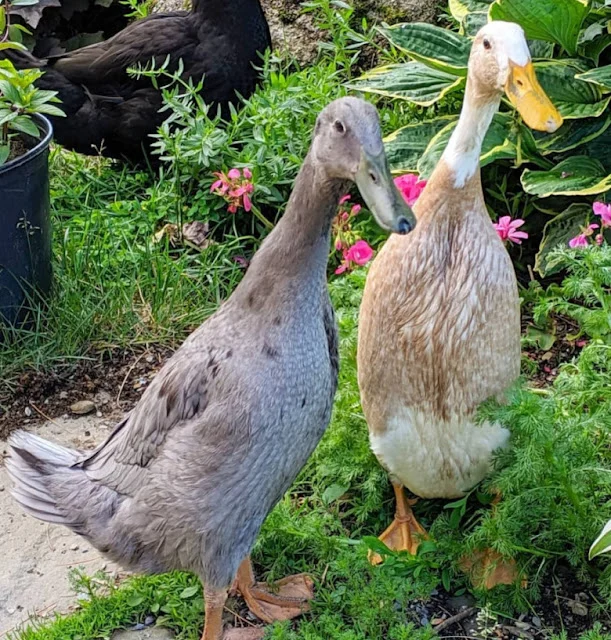
The Indian Runner duck, scientifically known as Anas platyrhynchos domesticus, represents one of the most distinctive phenotypic expressions within the domestic waterfowl population. Characterized by their remarkably upright, columnar posture and a gait that eschews the traditional waddle for a fluid, rapid movement, these ducks have evolved into a highly specialized breed. While their morphology often draws comparisons to bowling pins or human-like silhouettes, their physiological structure is the result of centuries of selective breeding designed for specific agricultural utility in Southeast Asia.

Historical Origins and Evolutionary Development
The lineage of the Indian Runner duck traces back to the common Mallard, yet they have diverged significantly through a long-term process of artificial selection. Archaeological evidence, including stone carvings discovered in Southeast Asia, suggests that the domestication of this breed dates back over 2,000 years. During this period, farmers in regions such as Indonesia and India identified specific behavioral traits—namely, an exceptional ability to forage for insects, slugs, and snails—that made the birds ideal for protecting rice paddies.
By consistently breeding the most efficient foragers and the most prolific egg layers, early agriculturalists created a breed that was perfectly adapted to the semi-aquatic environment of the rice terrace. The ducks were historically managed via a herding system; they were deployed to the fields at dawn to consume crop-damaging pests and returned to their pens at dusk. This symbiotic relationship between farmer and waterfowl allowed for natural pest control without the need for synthetic chemicals, a practice that continues to influence sustainable farming methods today.

Physiological Characteristics and Mobility
The defining physical trait of the Indian Runner is its vertical carriage. While most domestic duck breeds maintain a horizontal or slightly angled posture, the Runner stands at an angle between 50 and 80 degrees. This skeletal adaptation is paired with a streamlined body and small, high-set wings. Because their wing anatomy is not optimized for flight, their energy is redirected toward terrestrial movement and egg production.
Standing between two and two-and-a-half feet tall, these birds are categorized as a light-weight breed, typically weighing between three and five pounds. This light frame is the mechanical foundation of their namesake "running" ability. Unlike the heavy, waddling gait of larger ducks like the Pekin, Runners can maintain a swift, rhythmic pace. This speed serves as an evolutionary advantage for foraging across expansive terrains, allowing them to cover more ground in search of sustenance than their heavier counterparts.

Taxonomic Diversity and Breeding Standards
The Indian Runner is recognized by poultry associations for its remarkable genetic diversity in plumage. There are 16 recognized color varieties, including black, blue, chocolate, apricot, and the classic fawn and white. This color spectrum is the result of meticulous breeding programs that have persisted for centuries.
From a biological standpoint, their high metabolic rate supports their status as prolific layers. A healthy female Indian Runner can produce between 180 and 250 eggs annually. These eggs are generally medium-sized and vary in shell color from white to light blue-green. The onset of laying typically begins at five to six months of age. Despite this high productivity, the breed is noted for a diminished "broodiness" trait—a direct consequence of being bred as a production bird rather than a foster parent. Modern keepers often observe that even when a hen does sit on a clutch, her inclination to nurture the ducklings to maturity is often lower than that of other breeds, though individual maternal variance remains documented.

Economic and Agricultural Implications
In the contemporary era, the Indian Runner has transitioned from a subsistence tool in Asian rice paddies to a strategic asset in global viticulture and organic farming. Vineyards, particularly in regions practicing sustainable or biodynamic agriculture, have begun integrating Runner ducks into their pest management protocols.
The rationale is twofold: first, the ducks are highly effective at controlling populations of vine weevils, snails, and various leaf-eating insects. Second, their presence provides a natural fertilization cycle. By operating in controlled groups, these ducks act as a biological pesticide, reducing the vineyard’s reliance on chemical interventions. This practice is supported by data suggesting that controlled, intentional grazing by poultry can significantly decrease the presence of invasive garden pests without damaging the vines themselves, provided the ducks are managed with proper oversight.

Conservation and Breed Status
According to the Livestock Conservancy, the Indian Runner is classified as a "recovering" breed. While they are not in immediate danger of extinction, their population numbers had previously experienced a decline as modern, industrial farming methods prioritized large-scale broiler breeds over the specialized foraging efficiency of the Runner. Efforts by conservationists and hobbyists to maintain the purity of the breed have been essential in stabilizing their population.
The average lifespan of the breed ranges from 10 to 12 years, provided they are kept in a managed environment with adequate nutrition and protection from predators. Despite their agility, they lack the defensive mechanisms required to evade apex predators such as foxes or domestic dogs, necessitating the use of secure enclosures.

Comparative Analysis and Behavioral Profile
Behaviorally, the Indian Runner is recognized for its high degree of curiosity and social activity. They are frequently described by poultry experts as "gregarious," often exhibiting a heightened sense of alertness compared to other domestic ducks. This makes them excellent candidates for backyard environments where their active nature and distinctive appearance are viewed as both aesthetic and functional assets.
Furthermore, their influence on the development of other breeds cannot be overstated. The Indian Runner has been a foundational genetic contributor to several other popular breeds, including the Khaki Campbell and the Buff Orpington. By crossing the Runner with heavier, more docile breeds, developers were able to combine the high egg production of the Runner with the hardiness and temperament of other established lineages.

Modern Management and Welfare
The modern management of Indian Runners involves specific considerations regarding their energy requirements and behavioral needs. Because they are more active than many other breeds, they require larger foraging areas to prevent stress. Their diet, when managed in a backyard setting, must be supplemented with high-quality waterfowl feed, as their rapid metabolism requires consistent protein and mineral intake to sustain their egg-laying capacity.
Recent observations in domestic settings have challenged the notion that they lack maternal instincts. While they were historically discouraged from brooding to ensure maximum egg output, breeders who allow their ducks to interact naturally have reported successful instances of communal rearing. This behavior, while not universal, suggests that the "worker" temperament of the breed is somewhat plastic and can be influenced by environmental factors and socialization.

Conclusion
The Indian Runner duck remains a testament to the efficacy of selective breeding and its enduring value in agricultural systems. From their ancient origins in the rice paddies of Southeast Asia to their modern utility in sustainable viticulture, these birds have maintained their unique physiological and behavioral profile. As global agricultural practices continue to shift toward organic and regenerative methods, the role of the Indian Runner as a biological agent of pest control is likely to see further expansion. Their distinctive appearance, while a point of curiosity for the casual observer, is merely the external expression of a highly specialized biological machine optimized for efficiency, agility, and productivity. Whether in a commercial vineyard or a backyard garden, the Indian Runner continues to bridge the gap between historical agricultural wisdom and contemporary farming needs.
